In my time navigating the culinary landscape of this island, I have realized that the most common question I hear isn’t about the weather, politics, or traffic. It is a simple, four-word inquiry that seems to hang perpetually in the humid air. From wide-eyed tourists just stepping off a plane to seasoned locals debating their Friday night plans, everyone is constantly asking: “Where should we go?” But I have come to believe that asking “where to eat at Singapore” is rarely a simple logistical query about satisfying hunger. It is, in fact, a complex cultural shorthand—a gateway into understanding the pace, priorities, and very soul of this city.
When we ask this question, we aren’t just looking for a menu; we are looking for a way to synchronize with the city. We are asking where life is happening right now, where the community is gathering, and where we can find a moment of connection in a metropolis that never seems to stop moving.
Chicken Rice: The Iconic Singaporean Dish
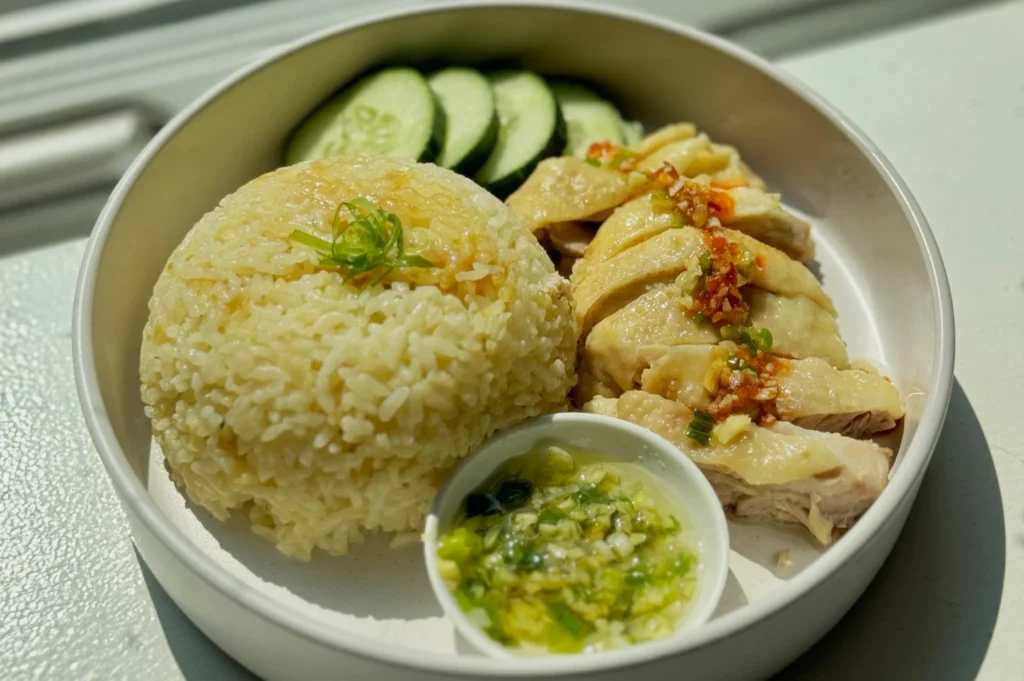
One cannot talk about where to eat at Singapore without mentioning the beloved chicken rice. This signature dish features tender poached chicken served alongside flavorful rice cooked in chicken broth, garlic, and ginger, often accompanied by a trio of dipping sauces including pureed ginger, a spicy sauce, and soy sauce. The Hainanese chicken rice at Maxwell Food Centre is legendary, drawing crowds eager to savor its flavorful simplicity. Many locals and visitors alike start their day with a plate of chicken rice paired with soft boiled eggs and a cup of kopi at a nearby coffee shop.
Kopitiams, or traditional coffee shops, are popular breakfast spots in Singapore, often serving kaya toast and soft-boiled eggs. Kaya toast is a traditional breakfast dish made with coconut jam and typically served with coffee or tea.
Eat in Singapore: The Heartbeat of Hawker Centres
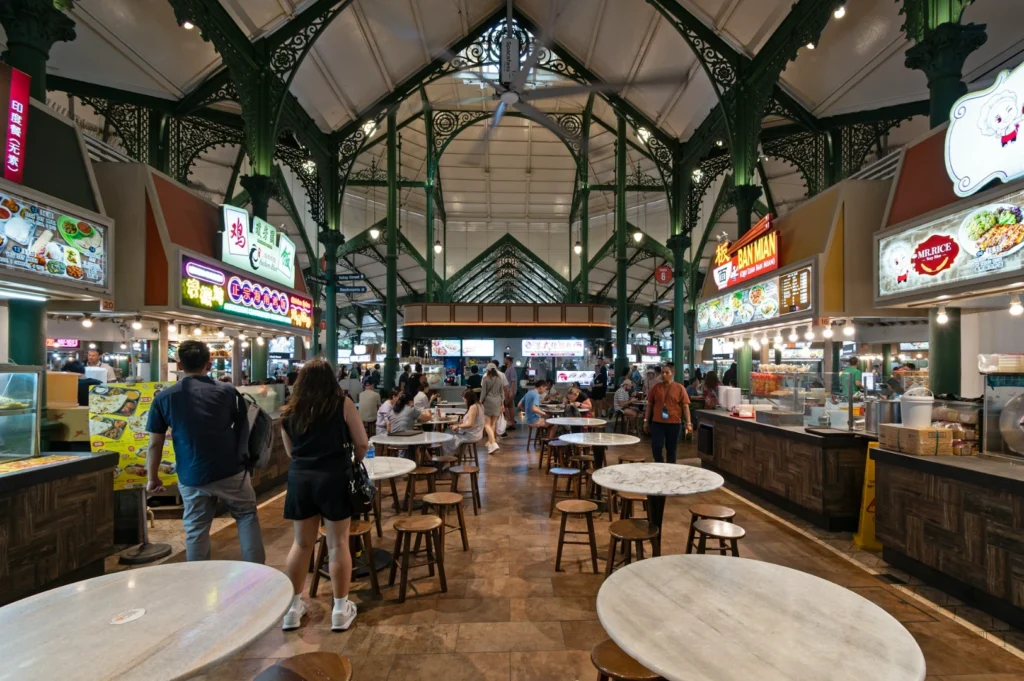
To truly eat in Singapore is to immerse oneself in the vibrant atmosphere of its famous hawker centres. Hawker centres are the heart of everyday dining in Singapore, serving a wide range of local dishes at affordable prices. Many Singaporeans prefer to eat at hawker centres rather than fine dining restaurants due to the affordability and variety of food available. Hawker centres typically offer dishes for under $5, making it possible to eat well on a budget in Singapore. These bustling food centres are home to countless hawker stalls, each specializing in a particular dish perfected over years. Hawker centres are also recognized by UNESCO as an essential part of Singapore’s food culture. From the spicy, coconut milk-rich curry laksa to the crispy, savory roti prata served with curry dipping sauce, the variety is staggering. Among the many malay dishes available, nasi lemak stands out as a well-known Malay dish that is traditionally eaten for breakfast in Malaysia and Singapore, celebrated for its aromatic rice, fried anchovies, peanuts, egg, and sambal. At places like Tong Ah Eating House, you can enjoy a traditional breakfast of traditional kaya toast—a sweet spread made from coconut and eggs—served on charcoal-grilled bread with a drizzle of condensed milk and butter.
Chili Crab and Black Pepper Crab: Seafood Delights
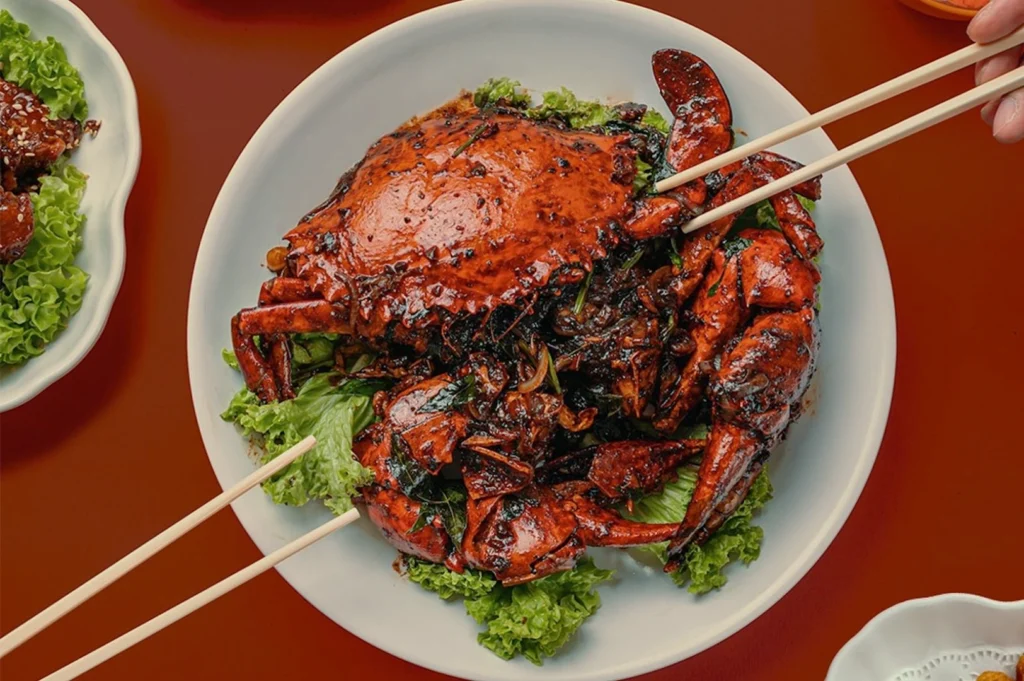
No guide to restaurants in Singapore would be complete without mentioning the iconic chilli crab—often referred to as one of Singapore’s national dishes and a must-try local specialty—and black pepper crab. Chilli crab features crabs cooked in a sweet and spicy sauce of chili, tomato, and egg, while black pepper crab is coated in a fragrant black pepper glaze. These dishes are often enjoyed at renowned establishments like Jumbo Seafood. Pair your crab feast with a cold beer to balance the heat and savor the rich flavors of this Singaporean food classic.
Food Centre Favorites: Bak Kut Teh and More
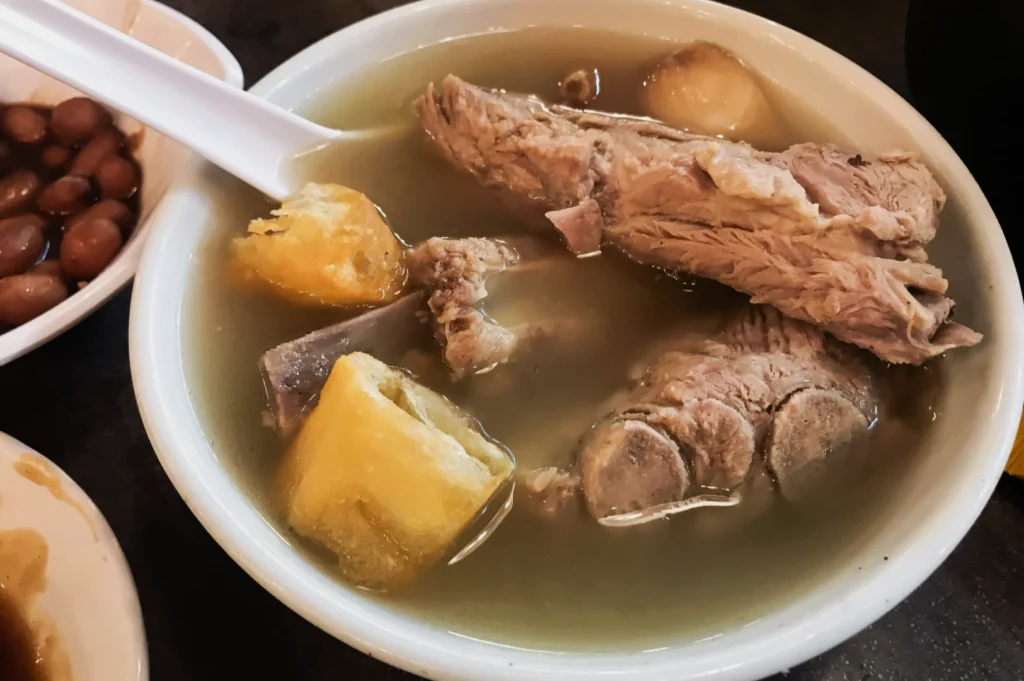
Among the many offerings at food centres, bak kut teh stands out as a comforting and hearty choice. Bak kut teh, meaning ‘meat bone tea’, is a popular dish in Singapore that features pork ribs in a peppery broth, often enjoyed with rice and tea. This pork ribs soup is simmered with pork bones and a blend of herbs and spices, including generous amounts of garlic and white pepper, creating a broth that warms both body and soul. Enjoy it with bowls of rice and side dishes like fried tofu or braised pork belly. Places like Ng Ah Sio are celebrated for their authentic bak kut teh, drawing locals who crave this traditional dish.
Best Hawker Stalls: Hidden Gems and Legendary Flavors
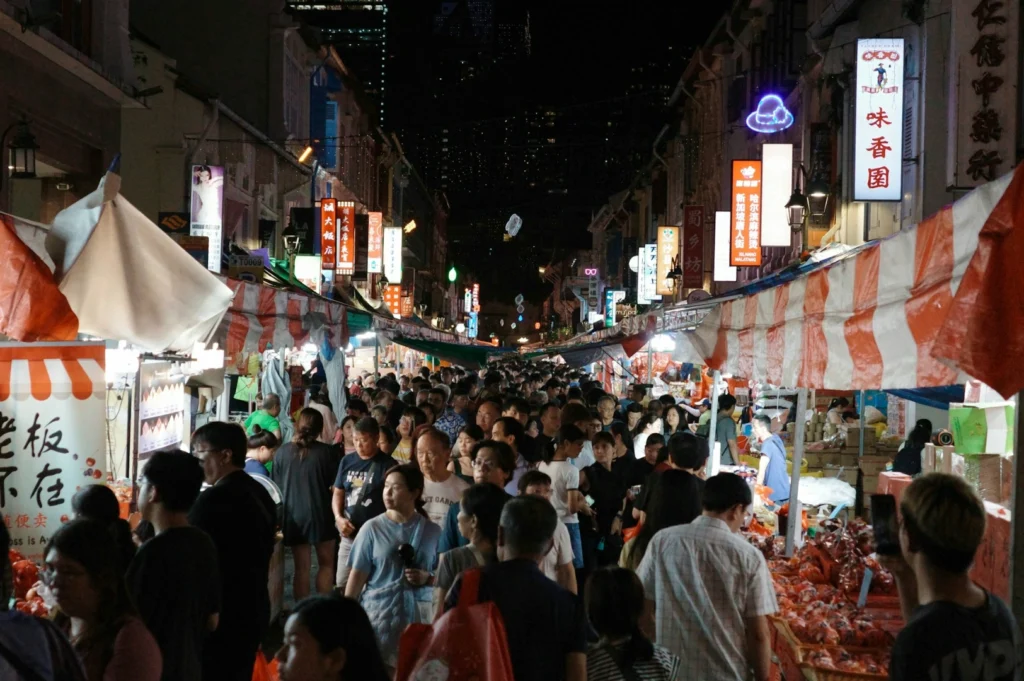
Finding the best hawker stalls is a quest for many food lovers visiting Singapore. From the savory char kway teow—a famous noodle dish and beloved stir fried dish of flat rice noodles, shrimp, Chinese sausage, and bean sprouts—at Hill Street Char Kway Teow, to the delicate oyster omelette and the crispy yet tender carrot cake made from steamed rice cakes and radish, each stall offers a unique taste of the city. Don’t miss the chance to try fried fish and fried chicken at various hawker centres, where the use of pork lard and dark soy sauce adds depth to the flavors.
Chinatown Complex Food Centre offers a huge selection of local favorites, including claypot rice, and is home to the original Michelin-starred Hawker Chan.
Char Kway Teow: A Famous Dish Worth Savoring
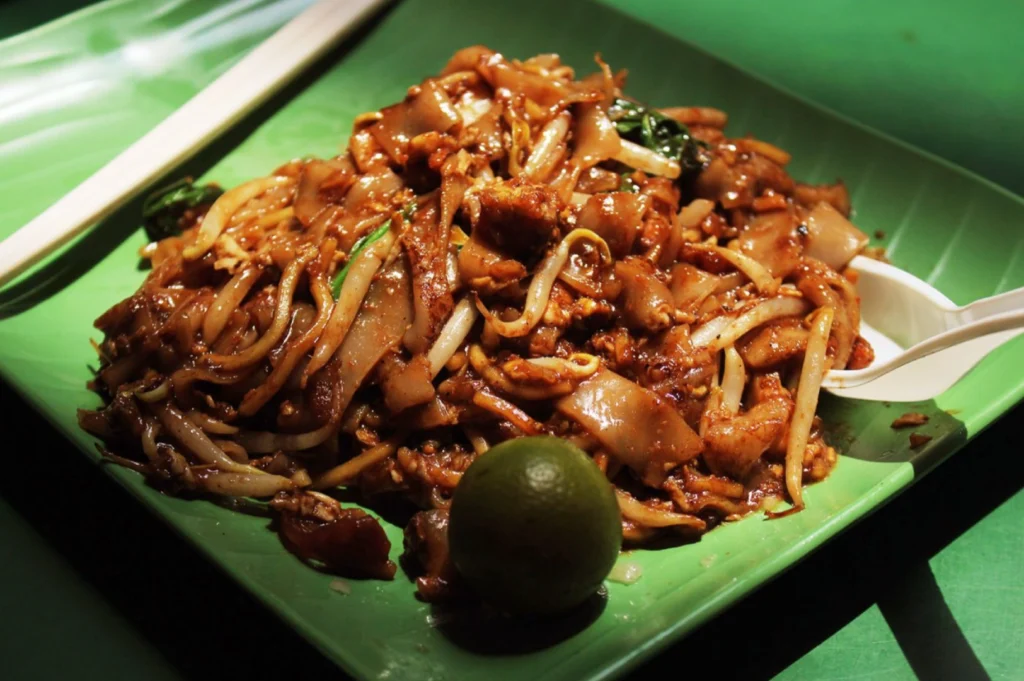
Among the many noodle dishes that define Singapore’s street food scene, char kway teow holds a special place. This dish is a harmonious blend of egg noodles, flat rice noodles, minced pork, and fish cake, all tossed in a smoky wok with chilli sauce and dark soy sauce. The balance of textures and flavors makes it an incredibly tasty staple found in almost every hawker centre.
Food Tour: Exploring Singapore One Bite at a Time
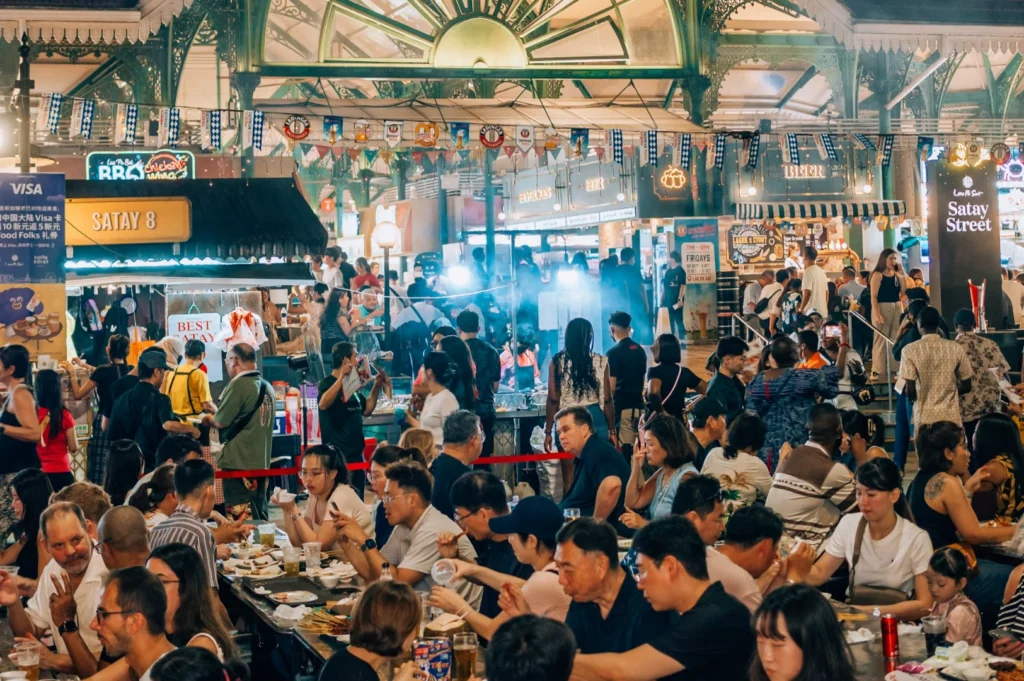
For those wondering where to eat at Singapore beyond the usual spots, embarking on a food tour is an excellent way to discover hidden culinary treasures. Guided tours often include stops at best hawker stalls, sampling dishes like nasi lemak—fragrant coconut rice served with spicy sambal, fried anchovies, and peanuts—alongside Peranakan food, which showcases the unique blend of Chinese and Malay flavors in dishes such as beef rendang and home cooked dishes rich with spices and herbs.
Carrot Cake and Other Local Snacks
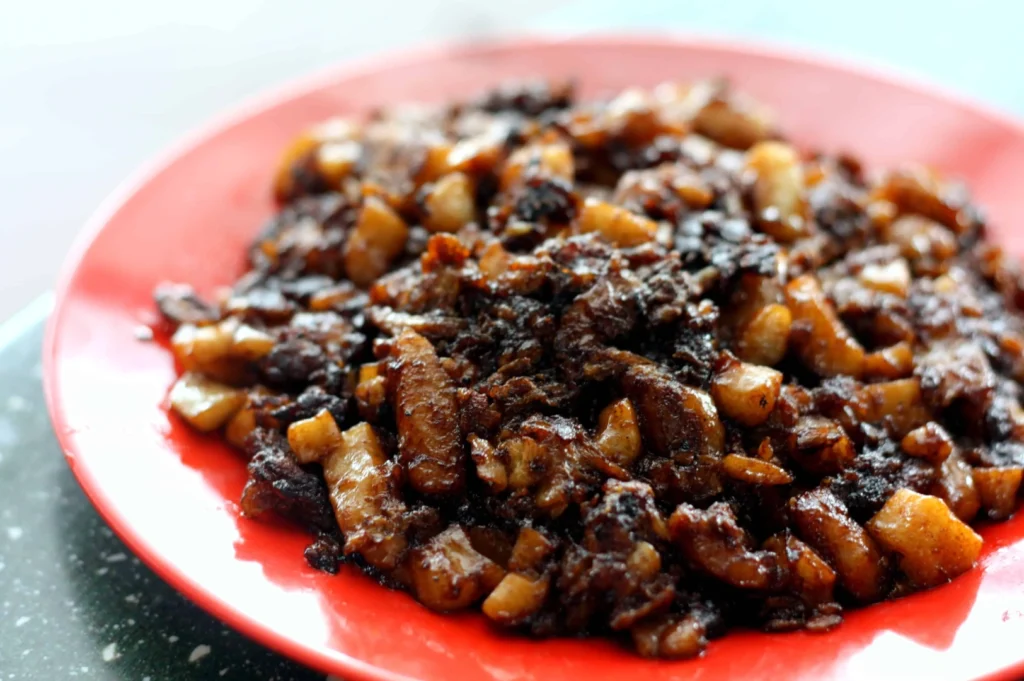
The humble carrot cake—a savory dish made from shredded radish and glutinous rice fried with eggs and preserved radish—is a favorite snack at many hawker centres. Alongside it, you can find other delights like fried tofu, bean sprouts, and rice cakes, all contributing to the diverse tapestry of Singapore’s street food culture.
Best Singapore Restaurants: From Hawker Centres to Fine Dining
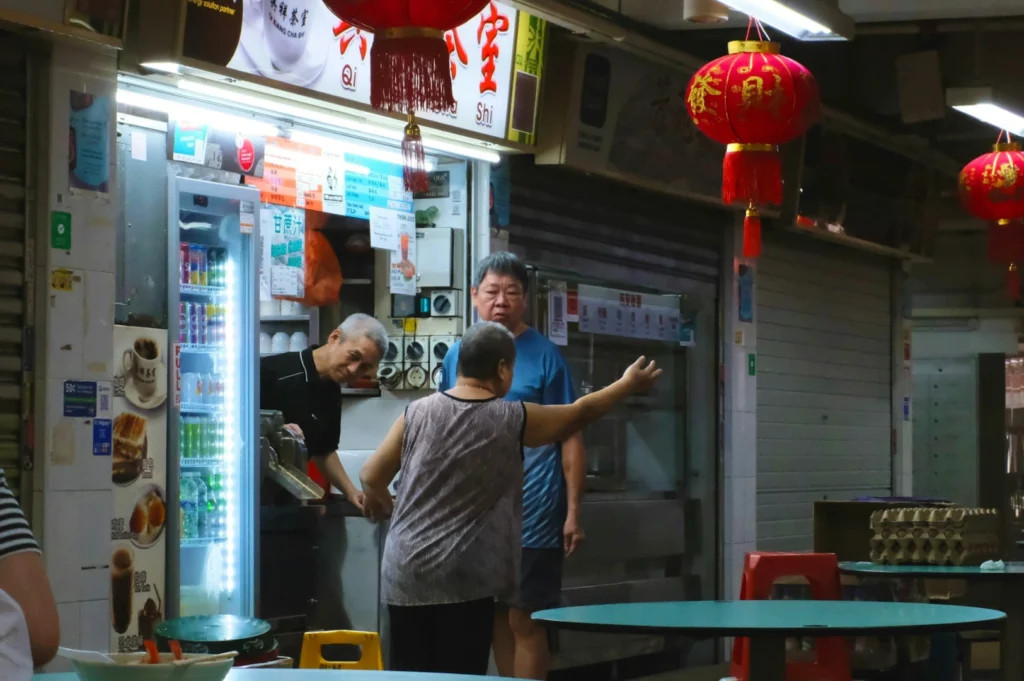
While the charm of hawker centres lies in their affordability and authenticity, Singapore also boasts a thriving fine dining scene. Restaurants like Candlenut elevate Peranakan food to gourmet heights, offering tasting menus that celebrate traditional flavors with modern techniques. Whether you prefer the casual atmosphere of a hawker stall or the refined ambiance of a top-tier eating house, Singapore’s culinary landscape caters to all tastes and occasions.
Beyond hawker centres and bustling dining rooms, Singapore’s food scene also embraces more intimate settings designed for focused conversation and shared milestones. Best Private Dining Rooms for Memorable Gatherings reflects how the city’s restaurants adapt to these moments, offering privacy without losing the warmth that defines local hospitality.
Black Pepper Crab and Other Seafood Specialties
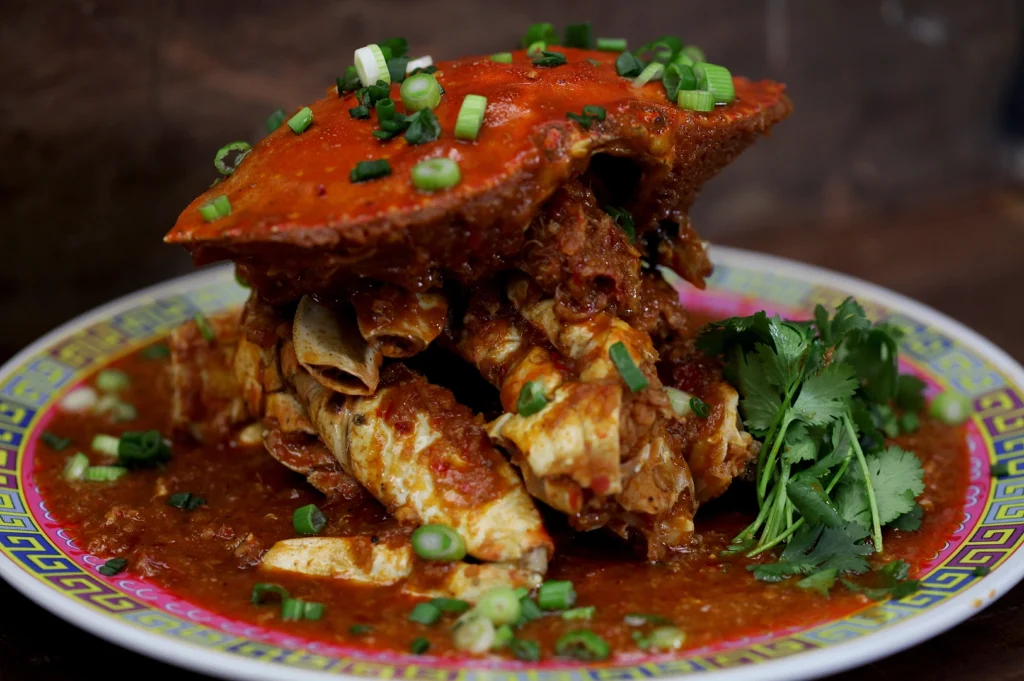
Complementing the spicy chili crab is the black pepper crab, another beloved seafood dish featuring crabs coated in a peppery, buttery glaze. Popular spots like Long Beach Seafood and Eng Seng Restaurant serve these dishes alongside other roast meats and seafood, ensuring a memorable meal for any lover of delicious food.
Eating House Culture: Social Dining and Shared Plates
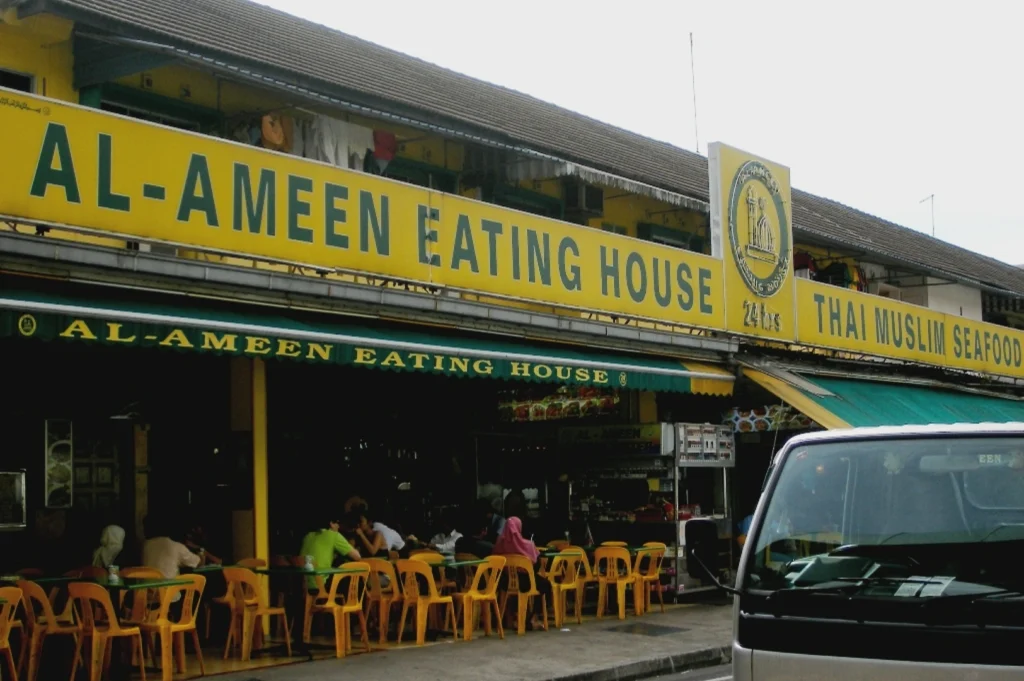
Singapore’s eating houses are social hubs where friends and families gather to share plates of flavorful dishes. From roast duck and pork ribs to fried rice and stir fried dishes enhanced with fresh spring onions for added aroma and flavor, these venues emphasize communal dining and the joy of sharing all the food on the table. Keng Eng Kee Seafood is famous for Zi Char (local stir-fries), making it a popular choice for those seeking authentic local flavors. The convivial atmosphere is as much a part of the experience as the food itself.
While much of Singapore’s dining culture thrives in open, shared spaces, there are moments that call for something more contained and personal. Celebrations, reunions, and milestone meals often unfold behind closed doors, where conversation takes centre stage.
Best Restaurants: A Guide to Culinary Excellence
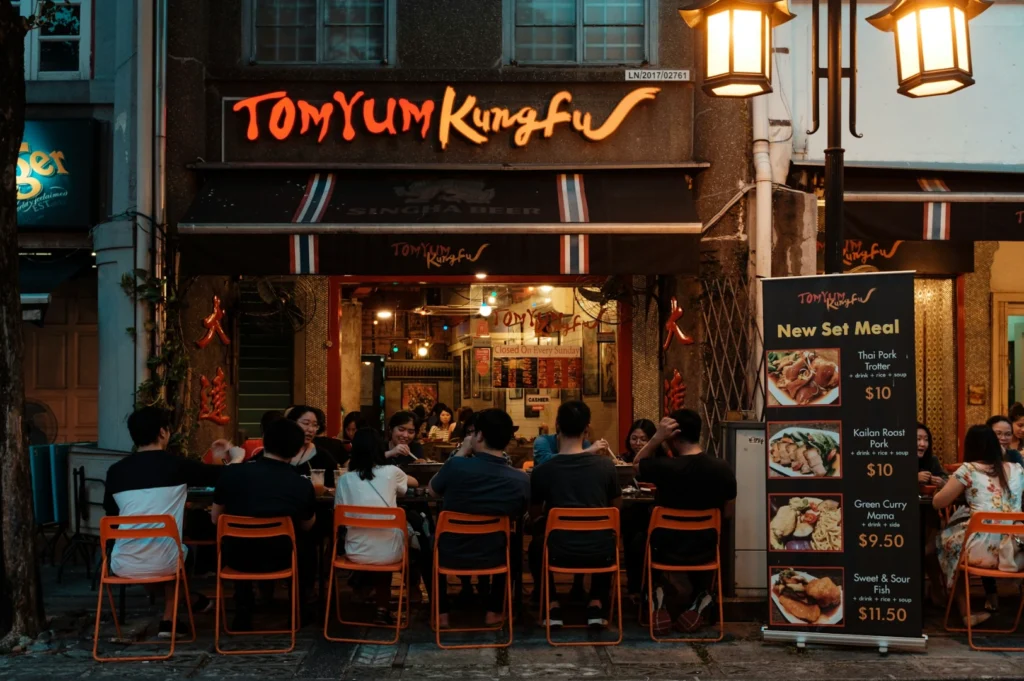
In conclusion, the search for the best restaurants in Singapore is a journey through a city that celebrates food as culture, community, and craft. Whether you find yourself savoring a simple plate of Hainanese chicken rice at Maxwell Food Centre, indulging in black pepper crab at a seafood restaurant, or exploring the rich flavors of Peranakan food in a fine dining setting, Singapore offers an unparalleled culinary adventure.
It is this evolving relationship between food and identity that we continue to document at SG Dining Guide, where eating well is understood not just as a recommendation, but as a way of understanding the city itself.