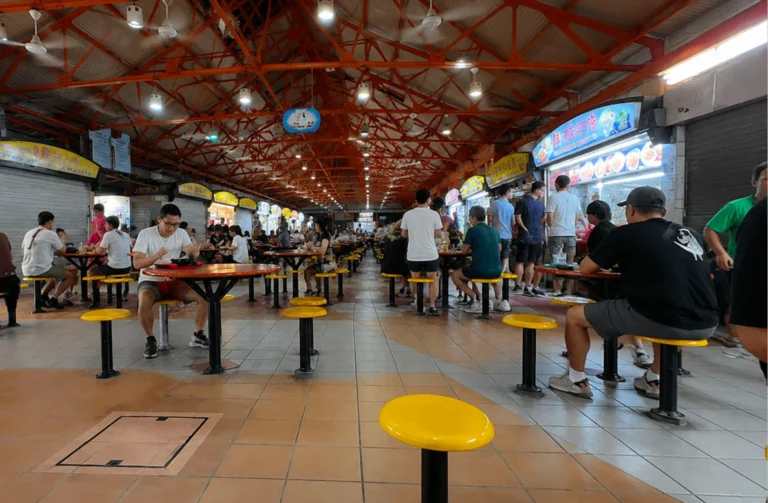
In Singapore, a queue outside a hawker stall is rarely just a queue.
It is a signal. It tells people that something here is worth waiting for, whether it is a plate of chicken rice, a bowl of noodles, or a freshly fried carrot cake. Even before we taste the food, the line already shapes our expectations. I think that is one reason Singaporeans still queue so willingly; we read queues as proof of trust.
There is a practical side to this. In a hawker centre with many choices, a queue helps narrow the decision. It suggests that other diners have already tested the stall and found it reliable. For first-time visitors, that matters. For regulars, the queue confirms what they already believe; this stall is still good, and other people know it too.
But hawker loyalty goes deeper than popularity. Many Singaporeans return to the same stall because of consistency. We remember the taste, the portion, the chilli, the way the noodles are tossed, or the exact texture of the rice. When a stall delivers the same experience over many visits, customers begin to feel secure. The wait becomes part of the routine rather than an inconvenience.
That kind of loyalty is not built overnight. It comes from years of repeated meals, familiar faces, and small moments of recognition. The stall owner may remember your order. The auntie may know you want less chilli. The uncle may pack your food a certain way without asking. These details are small, but they make the experience feel personal.
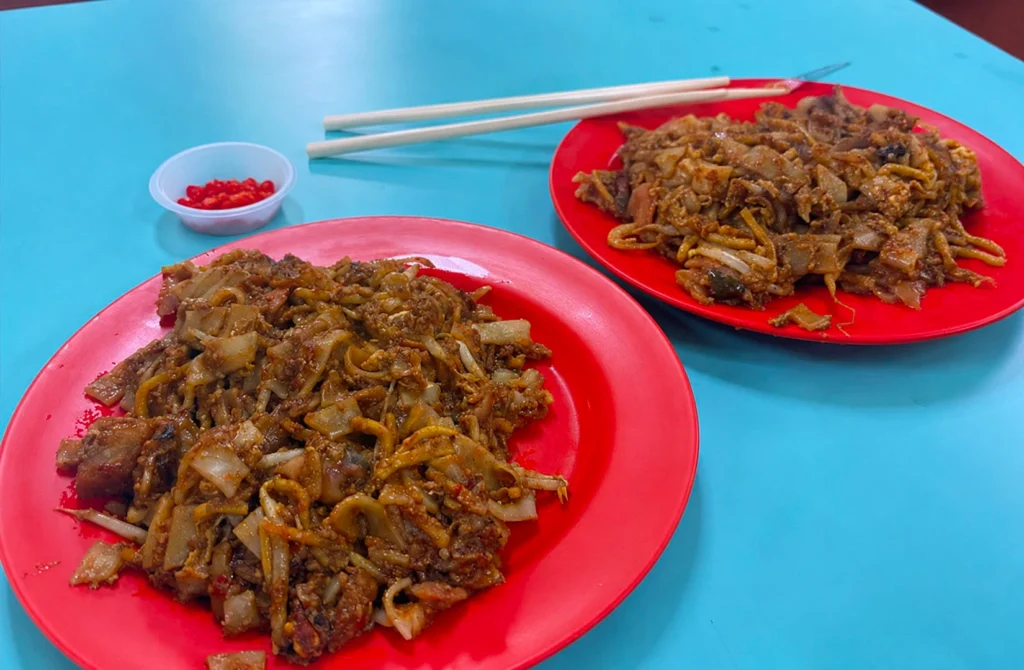
This is why some people will travel across the island for one dish. They are not only chasing flavour. They are returning to a memory that has become tied to the food. A bowl of laksa can remind someone of weekend breakfasts with family. A plate of char kway teow can bring back school days, old neighbourhoods, or meals shared with friends after work.
There is also a sense of pride involved. Singaporeans like to believe they know where the good food is. Recommending a hawker stall is almost a social act. When someone says, “You must try this place,” they are not only giving a food suggestion. They are sharing part of their own map of the city.
Still, queuing is not always romantic. It can be hot, tiring, and sometimes frustrating. There are moments when the wait feels too long or the food does not live up to the hype. But when a stall has earned real loyalty, customers are often more forgiving because the relationship has already been built over time.
What makes hawker queues interesting is that they reflect more than demand. They reveal how Singaporeans make decisions about food; through habit, word of mouth, shared experience, and earned confidence. We queue because we believe the meal will be worth it, but also because the act of waiting connects us to a wider dining culture.
In the end, hawker loyalty is not only about who cooks the best dish. It is about trust built plate by plate, over many years. That is why Singaporeans still queue, even when faster options are available nearby.
For more reflections on Singapore’s hawker culture, food habits, and dining stories, click here to visit SG Dining Guide.