There is a question that often comes up whenever a long-running food establishment gains popularity.
Should they modernize the recipe?
Sometimes the suggestion comes from customers looking for healthier options. Sometimes it comes from business consultants who believe a dish should appeal to newer audiences. Other times, it comes from simple curiosity. Could a classic recipe be improved?
I understand the intention behind these conversations. Food evolves, tastes change, and innovation has always been part of the culinary world.
Yet there are certain recipes that I believe should remain exactly as they are.
Not because they are perfect, but because they represent something larger than the ingredients used to make them.
In Singapore, many traditional recipes have survived through decades of social and cultural change. Some were passed down through multiple generations within the same family. Others were refined by hawkers who spent years adjusting techniques until every bowl, plate, or portion reflected their own standards.
When customers return to these stalls, they are not necessarily searching for novelty.
They are searching for familiarity.
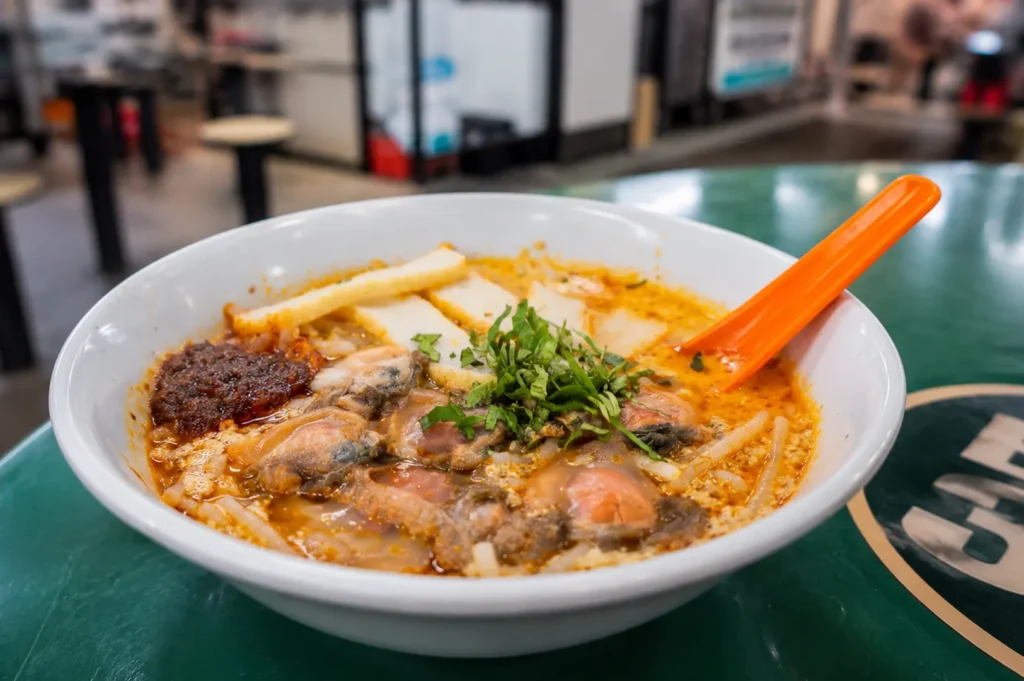
There is comfort in knowing that the bowl of bak kut teh you loved ten years ago tastes much the same today. There is reassurance in finding that the curry puff, carrot cake, or bowl of noodles still carries the same flavours you remember from childhood.
These experiences create continuity in a city that is constantly changing.
I think that is why longtime customers often react strongly when traditional recipes are altered. The concern is rarely about resisting progress. Instead, it comes from a fear of losing something meaningful.
Food has a unique relationship with memory.
A single bite can remind us of family gatherings, school holidays, or meals shared with people who are no longer around. When a recipe changes significantly, those connections can feel disrupted. The dish may still be good, but it no longer tells the same story.
Of course, preserving tradition does not mean rejecting all forms of improvement. Hawkers and chefs regularly adapt to changing ingredient costs, customer expectations, and operational realities. Small adjustments are often necessary.
What matters is understanding which elements define the identity of a dish and protecting them.
Many experienced hawkers seem to understand this instinctively. They may upgrade equipment or improve efficiency behind the scenes, but the flavour profile, preparation methods, and core techniques remain largely untouched. They recognize that customers are returning not only for food, but for a tradition they trust.
In a dining landscape increasingly driven by trends and reinvention, there is something admirable about consistency.
It takes discipline to resist changing something that already works. It takes confidence to preserve a recipe when others are chasing the next big idea. Some recipes deserve that protection because they are more than products. They are pieces of cultural heritage, carried forward one plate at a time.
For more reflections on Singapore’s food heritage, dining culture, and the stories behind beloved local dishes, visit SG Dining Guide.