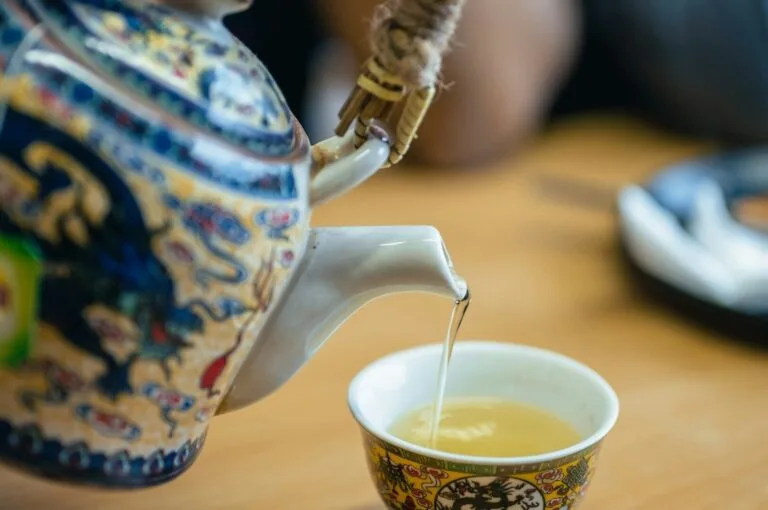
A proper tea room in Singapore tends to announce itself quietly. The pace slows, the room is set up for a pot and a cup (not a takeaway), and the focus returns to the basics: water, tea leaves, and time. While coffee culture has expanded fast from espresso bars, pour-overs, and the familiar café rhythm (including places built around beans like Tanamera coffee), the stronger Chinese tea rooms operate on a different logic.
For many people, tea is something you sip at a desk, or order sweet and cold from a cafe. A dedicated Chinese tea space is not trying to compete with that. The point is to taste how a leaf opens over multiple infusions, and to understand why the same tea can read floral first, then roasted, then mineral. This guide focuses on places that treat traditional Chinese tea as the main event, offering the beauty of tea appreciation and unique experiences that are absolutely worth your time. Here, the art of tea is celebrated through skilled craftsmanship and the aesthetic presentation of each brew, transforming tea preparation into an enriching, artistic experience.
Tea Room vs Afternoon Tea vs Tea Cafes
Before we dive into the recommendations, it helps to know what you’re looking for.
Tea room: The most focused format. It usually prioritises the brewing method, the leaf, and tea ware. It may feel closer to a private appointment than a casual stop.
Teahouse: A more social format. It can be tea-first, but often supports longer catch-ups, snacks, and a wider range of seating styles.
Tea café: This is your modern spot, think bubble tea, fruit-infused blends, or matcha lattes. While delicious, they offer a very different energy.
For this list, the priority is traditional Chinese teas and teahouse-style venues that support serious tea drinking.
What Makes a Great Chinese Tea Spot For Tea Appreciation
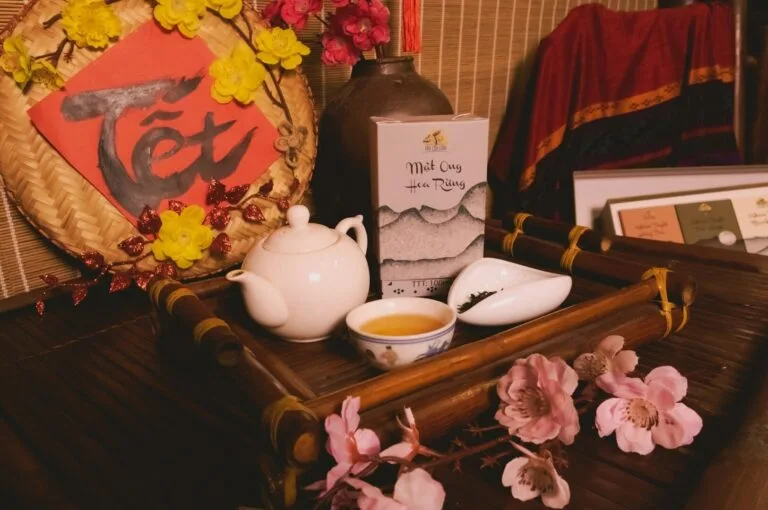
A strong Chinese tea venue is usually defined by practical qualities rather than décor.
Tea leaves: A curated selection is more useful than a long list. What matters is whether the staff can explain origin, processing, and how the tea will taste across steeps.
Tea ware: Functional teapots, small cups, and heat-stable brewing tools are not decorative. They shape extraction, aroma, and balance.
Tea appreciation: The best places explain without showing off. It should feel more like good dinner service with clear guidance, consistent technique and space for the guest to decide.
Of course the ambience still matters, but it should support the tea rather than distract from it. This is where “quiet luxury” is relevant: not in the sense of showy spend, but in the sense of controlled attention and low-noise service.
Quiet Luxury Tea Room Guide for Tea Lovers: 6 Places to Know in Singapore
Each of the five spots below delivers a different style of tea experience. The first is a good reference point if you want the most structured, tea-first session format.
1) Tea Room by Ki-Setsu (Orchard Plaza) — Private, reservation-only traditional Chinese tea sessions
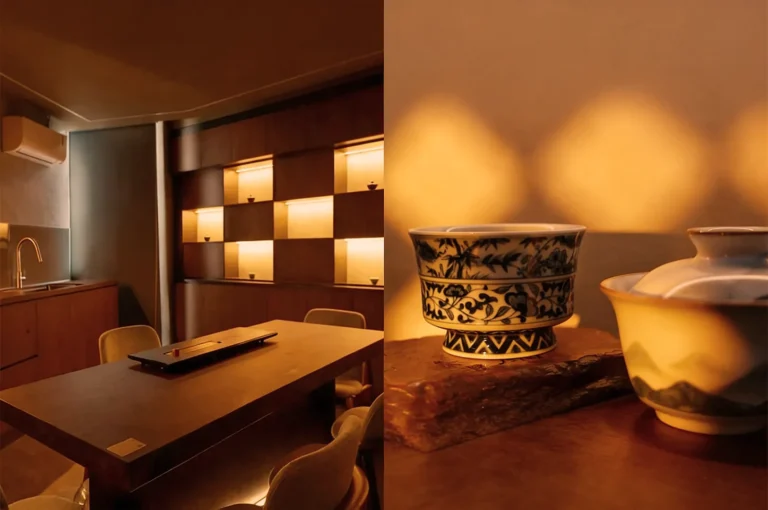
Tea Room by Ki-Setsu is set up for people who want the tea to set the pace. Bookings are intentionally limited (typically 2 to 5 guests), and the experience is guided rather than driven by a long list. Guests share preferences (lighter vs deeper, floral vs roasted), and the sequence of different teas is adjusted accordingly.
What distinguishes it is the way it frames the whole session around sourcing and tools: the brand emphasises no middleman / no cut corners, limited harvest teas from ancient tea trees in Yunnan, China, and high-end, wood-fired Jingdezhen kiln tea ware positioned as one-of-a-kind pieces. It reads as a controlled format where details matter, and the room is designed to keep attention on flavour progression rather than distractions.
Highlights
Reservation-only format with limited guests per session
Guided pacing and tea selection based on palate preference
Limited harvest teas from ancient tea trees in Yunnan
Wood-fired Jingdezhen kiln tea ware as part of the experience design
What to know
- Location: 150 Orchard Road, Orchard Plaza Singapore 238841
- Booking: Reservation required
- Best for: Solo / Romantic / Business
2) Tea Chapter (Neil Road) — Classic teahouse rhythm with tea appreciation sessions
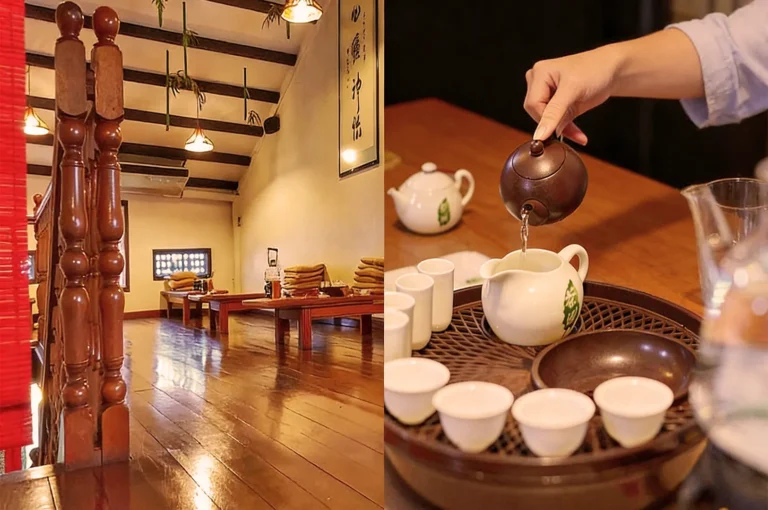
Tea Chapter suits readers who want a traditional teahouse pace: sit down, order a pot, and let the room hold your attention for an hour (or longer). It’s also a practical choice for beginners because tea appreciation sessions provide structure without turning the visit into a lecture. Expect a slower service rhythm and a setup that encourages conversation and lingering.
Highlights
Traditional teahouse cadence that supports longer stays
Tea appreciation sessions for guided tasting and learning
Works well for quiet conversations and group visits
What to know
Location: 9 Neil Rd, Singapore 088808
Booking: Walk-ins are possible; sessions/workshops may require booking
Best for: Group / Solo
3) Yixing Xuan Teahouse (Tanjong Pagar Road) — Tea-first, conversation-led guidance
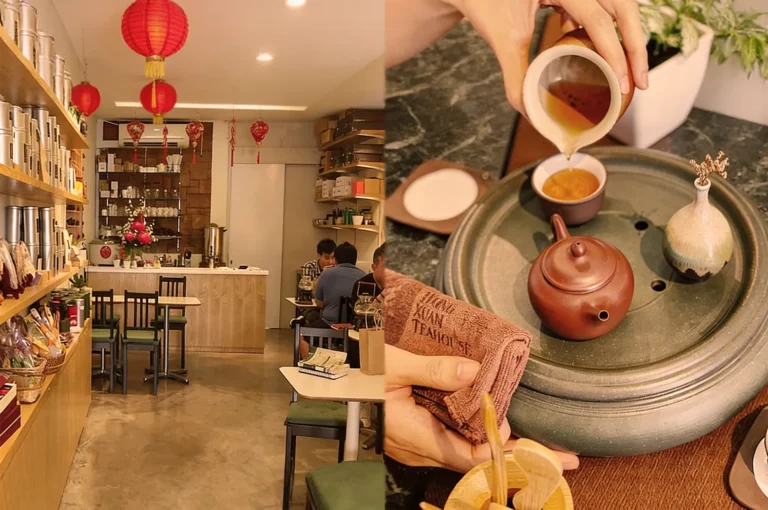
Yixing Xuan Teahouse is often chosen for one simple reason: it explains tea clearly. The experience tends to be conversational: what you like, how strong you want it, whether you prefer oolong, black tea, or something more green and fresh, and the recommendations follow from there. It’s a good place to learn how brewing time and temperature change aroma and finish, without needing prior knowledge.
Highlights
Strong tea selection with practical brewing guidance
Patient service style that supports questions
Workshops/tastings available for structured learning
What to know
Location: 78 Tg Pagar Rd, Singapore 088499
Booking: Walk-in friendly; workshops may require booking
Best for: Solo / Business
4) Tea Time 茶侍 (South Bridge Road) — Tea sessions that work as a light meal
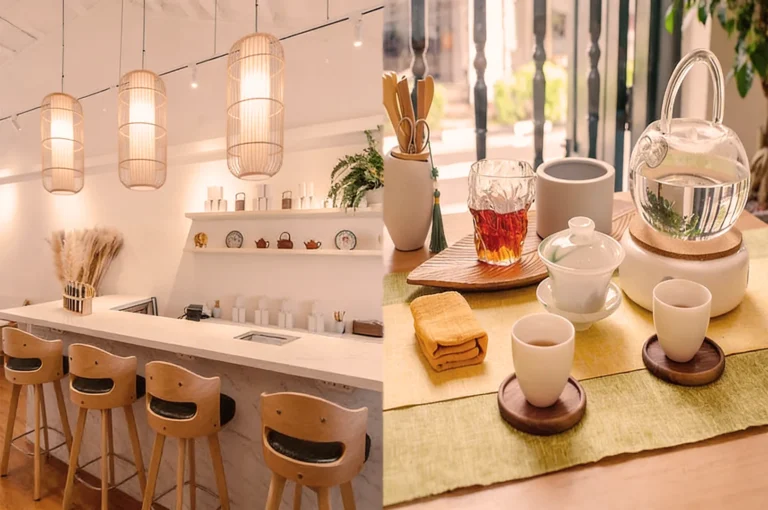
Tea Time is useful when the group wants tea as the centrepiece but still wants food support. The format suits meet-ups: tea, conversation, and snacks that make the visit feel complete. If someone in the group has a sweet tooth, this is also the kind of place where sweet treats and small bites can sit comfortably alongside tea, without turning the experience into a dessert set.
Highlights
Tea-forward service with snack pairing
Comfortable for meet-ups and longer chats
Calm Chinatown setting compared to surrounding foot traffic
What to know
Location: 280A S Bridge Rd, Singapore 058829
Booking: Typically walk-in suitable (check ahead on weekends)
Best for: Group / Celebration
5) SILK Tea Bar (Sago Street) — Modern tea bar with progressive brews
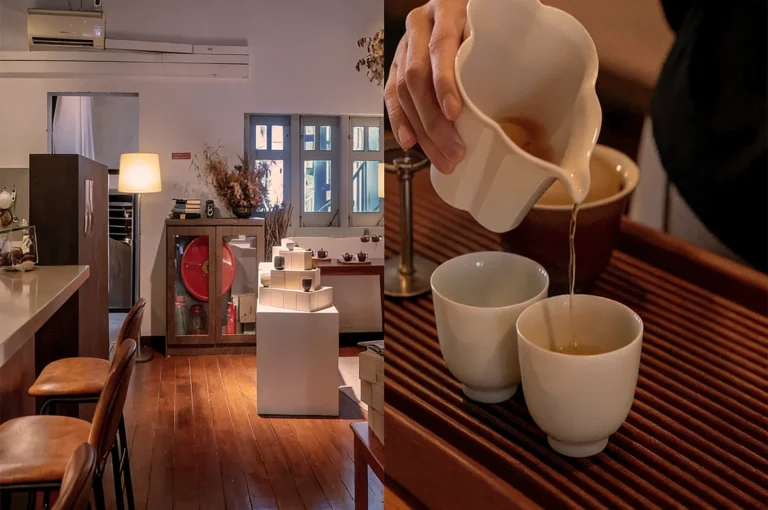
SILK Tea Bar approaches tea through a contemporary bar format. The appeal is progression: the tea changes across steeps, and the service is built to make those shifts easy to notice. It’s a good choice for tea lovers who prefer modern presentation over traditional room styling, and it works for both a longer hosted session and a shorter visit from the à la carte menu (where available).
Highlights
Modern tea bar concept with guided flight options
Progressive brews highlight flavour changes over multiple infusions
Works for both longer sessions and shorter tea stops
What to know
Location: 26A Sago Street, #02-01 Singapore 059021
Booking: Hosted flights may require reservations; walk-ins may be available
Best for: Solo / Romantic
6) Tea Bone Zen Mind (Emerald Hill) — Serene multi-story tea house with artistic ambiance and curated tea pairings
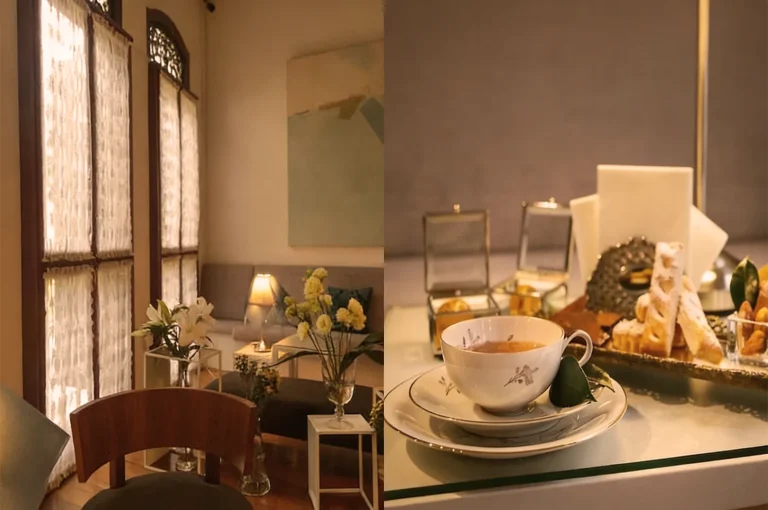
Tea Bone Zen Mind offers a unique and tranquil tea experience nestled in the colorful shophouses of Emerald Hill. This multi-floor tea house combines traditional Chinese tea culture with an artistic setting, featuring ikebana flower arrangements, rotating local art exhibits, and serene background music that enhances the calm atmosphere. Tea sessions here are carefully curated, often including multi-course tea pairings with sweet and savory nibbles designed to complement each brew. Reservations are recommended due to the intimate and exclusive nature of the experience.
Highlights
- Multi-course tea pairing sessions with sweet and savory snacks
- Artistic and serene ambiance with local art and ikebana displays
- Multi-story heritage shophouse setting with communal and private areas
- Attentive and knowledgeable staff providing personalized tea guidance
What to know
- Location: 39 Emerald Hill Rd, Singapore 229289
- Booking: Required; advance reservation advised
- Best for: Solo / Romantic / Small groups seeking a quiet, immersive tea experience
Types of Chinese Tea to Try
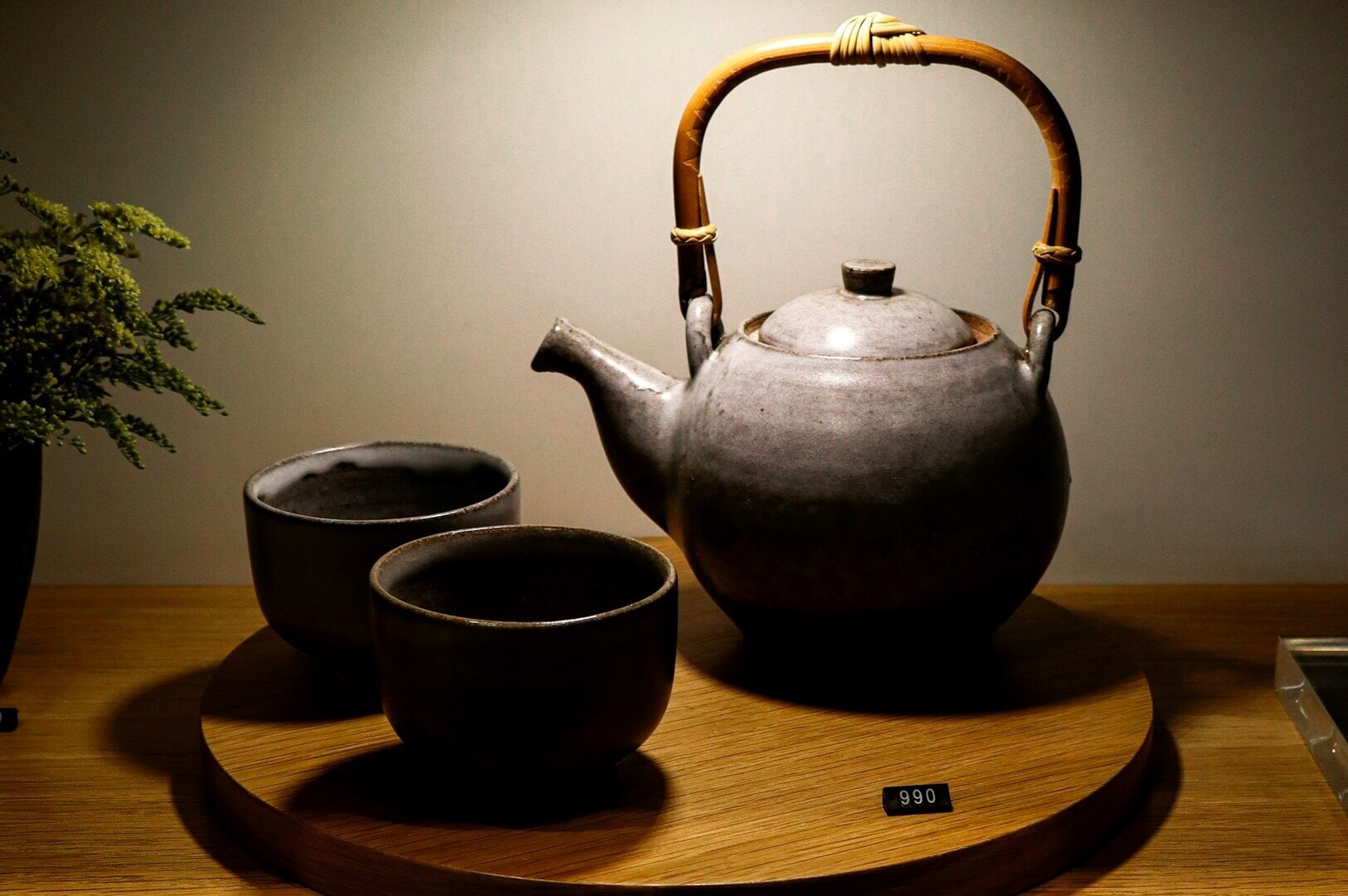
When you visit a tea room Singapore has to offer, the menu can look intimidating. These are reliable starting points:
Pu-erh: Fermented tea (often in cakes or bricks). Earthy and smooth; commonly chosen after a heavy meal.
Oolong: The broad middle: light oolongs lean floral; darker roasted styles bring nutty, caramelised notes.
Tie Guan Yin: A premium oolong known for floral aroma and a lingering sweet finish.
Longjing (Dragon Well): Famous Chinese green tea with a fresh, nutty profile.
Da Hong Pao (Big Red Robe): Wuyi rock tea with roasted depth and mineral character.
White tea: Light, subtle, and easy to drink slowly.
If you’re unsure, describe the profile you want (ie. floral, roasted, clean, or deep) and ask the staff to guide the next pot.
Honorable Mention: Afternoon Tea at Regis Singapore Tea Lounge
If your goal is afternoon tea rather than a Chinese tea session, a tea lounge format is built around food pacing as much as tea. The focus is typically a set menu of savouries and desserts, often mixing local and western specialties. For a broader shortlist beyond hotel lobbies, see our guide to the best afternoon tea in Singapore.
Depending on the season and theme, afternoon tea menus in hotel lounges may include savouries such as foie gras terrine, and desserts that lean playful and modern: a tropical garden tartlet, a pistachio financier cake, cream-forward items using cream cheese, or fruit-led elements like mango pearls and raspberry caviar. You may also see flavour pairings written like pear and chocolate vanilla. This is designed to feel polished, sweet, and paced; more of an elegant food-and-tea set than a traditional Chinese brewing session.
Tips for Visiting Tea Rooms in Singapore
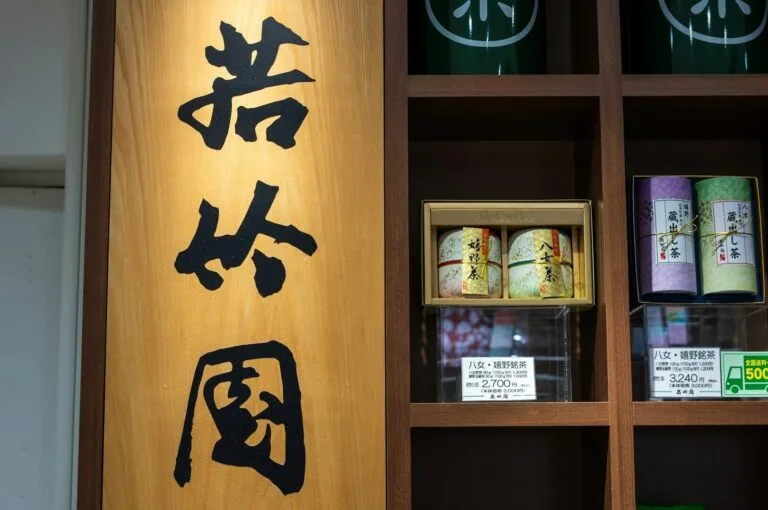
A little planning improves the experience. Whether you are visiting alone, with friends, or family, this thoughtful preparation ensures a more enjoyable and insightful tea session in a setting designed to celebrate the world of tea.
- Reservations: Places like Tea Room by Ki-Setsu, where private sessions are limited and highly sought after, can fill up, especially on weekends. Booking ahead reduces guesswork.
- Timing: Weekday afternoons are often the quietest window for service and seating.
- Ask questions: Don’t guess. When you arrive, don’t hesitate to ask the host or tea master for their own interpretation of the teas served, as their expert suggestions can enhance your understanding and enjoyment of the diverse tea varieties available. Ask what’s drinking well that day, or what the host recommends for your preferences.
- Pairing: Keep snacks simple so the tea stays readable. Pair your tea with freshly baked scones or bite sized treats to complement the flavors without overpowering the palate. Some tea rooms may also offer sparkling tea or other unique beverages that add a refreshing twist to the afternoon tea ritual.
- Take it home: Most of these venues sell leaves. A small pack is enough to continue at home.
Conclusion: A Practical Way to Explore Chinese Tea in Singapore
The “best” tea room is rarely the most decorative. It’s the one that makes the tea easier to understand—through leaf selection, brewing discipline, and a room that supports attention. For a first visit, it helps to begin with a place that sets expectations clearly. Tea Room by Ki-Setsu runs on a guided, private tea session with a deliberate pace, which makes it a strong reference point for a best private tea experience and an easier way to notice how tea changes across multiple brews. If you prefer a more casual teahouse pace, Tea Chapter and Yixing Xuan are easier walk-in alternatives, while Tea Time and SILK suit tea drinkers who want snacks or a modern tea bar setting. For celebrations that need more privacy than a typical teahouse table, you may also want our guide to the best private dining rooms in Singapore.
In a city full of quick drinks and fast meals, these places offer a different kind of visit: fewer distractions, clearer taste, and a pace that feels intentional. Many are highly recommended for that reason; not because they are loud, but because they are consistent. Visit our website for the best dining recommendation in Singapore.