In my years observing the daily rhythms of this city, I have noticed that the most common question isn’t about the weather or the stock market. It is a simple, pervasive inquiry that hums beneath the surface of our interactions: “Where should we go?” To an outsider, asking where to eat at Singapore sounds like a logistical problem, a request for a recommendation in a city teeming with options. But for those of us who live here, we know it is rarely just about hunger. It is a loaded question, a shorthand for a dozen unspoken variables involving time, energy, company, and mood.
When I hear this question, I don’t hear a demand for a list of restaurants. I hear someone trying to calibrate their day. They are trying to figure out where they fit into the city at that specific moment. The answer isn’t a pin on a map; it’s a feeling. It is about finding the right backdrop for the life that is happening right now.
In that sense, Asking “Where to Eat at Singapore” Is Really Asking About the City Itself—a question shaped by rhythm, relationships, and the moments we are trying to create. This way of looking at food—less as a checklist and more as a cultural signal.
Chicken Rice: The Heart of Singaporean Food
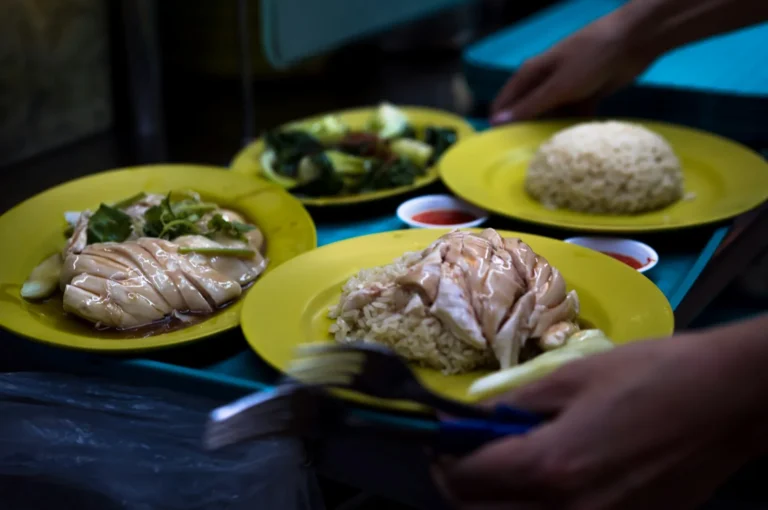
Among the many Singapore restaurants, one dish stands out as a beloved national treasure: chicken rice. This signature dish, often found at hawker stalls and food centres like the famous Maxwell Food Centre, features tender slices of poached chicken served alongside fragrant rice cooked in chicken broth, garlic, and ginger, creating a flavorful rice that captivates the palate. Tian Tian Chicken Rice is one of the most famous hawker food stalls in Singapore. The dish is typically accompanied by soft boiled eggs and a trio of sauces including a spicy chili sauce, which is a key condiment, pureed ginger, and soy sauce. The Hainanese chicken rice, a variation with roots in Chinese origins, is especially popular and considered a must-try when you eat in Singapore.
Hawker Centres and Hawker Stalls: The Soul of Street Food
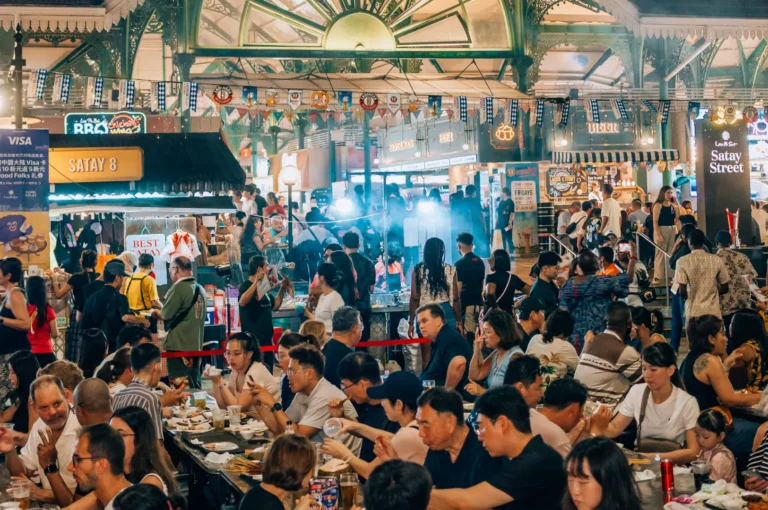
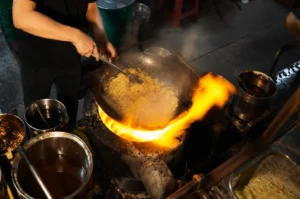
Singapore’s vibrant food culture is best experienced at its bustling hawker centres. These open-air complexes house numerous hawker stalls offering a wide range of Singaporean food at affordable prices. Hawker centres in Singapore are recognized on the UNESCO Intangible Cultural Heritage list. They typically offer dishes priced between $3 and $6, making them accessible to a wide range of diners. From deep fried chicken with crispy skin to deep fried tofu, deep fried fish, and other crispy snacks, the variety is astounding. Dishes like curry laksa, a rich spicy noodle soup made with coconut milk, rice noodles, fresh seafood, and common toppings such as fish cake, delight the senses with their thick sauce and complex flavors. Traditional snacks and desserts made with glutinous rice are also popular, prized for their unique sticky texture and cultural significance.
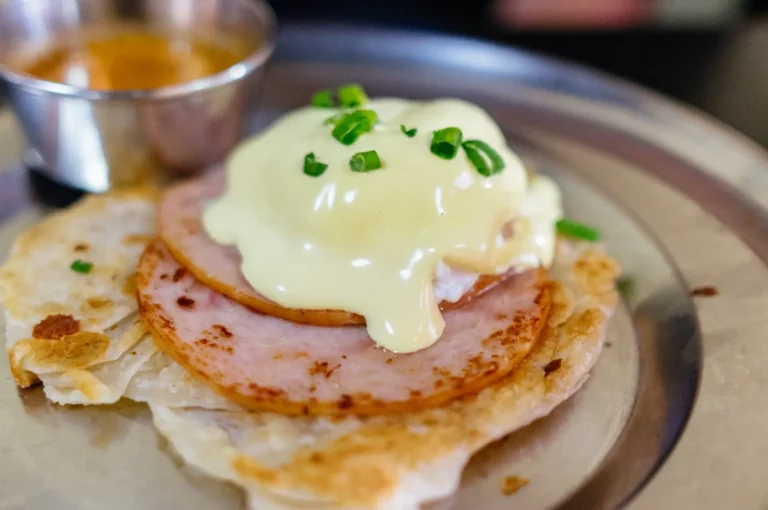
At Airport Road Food Centre, one of the city’s renowned food centres, visitors can savor local favorites such as bak kut teh, a comforting soup made by simmering pork bones with herbs and spices, traditionally served alongside fragrant rice or basmati rice. The market is also known for roti prata, a flaky, pan-fried flatbread enjoyed with curry, and nasi lemak, a Malay dish of coconut rice served with sambal, fried anchovies, and egg.
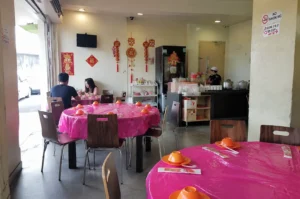
These everyday food spaces—crowded, comforting, and deeply personal—are the kinds of places we pay close attention to at SG Dining Guide, where food stories begin on the ground.
Chili Crab and Other Seafood Delights
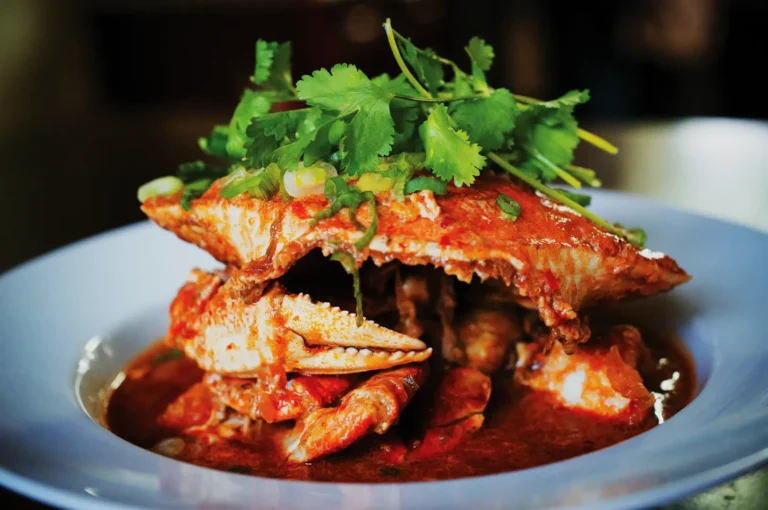
No discussion of best Singapore restaurants is complete without mentioning the iconic chilli crab, a must-try local specialty. This famous dish features fresh mud crabs cooked in a sweet and tangy spicy sauce made with chili, tomato, and egg, creating a thick sauce that is both rich and aromatic. Chilli crab is considered one of Singapore’s national dishes and is a popular seafood choice. For meat lovers, the city also offers black pepper crabs, seasoned with black pepper and garlic butter, delivering an authentic taste that excites the taste buds. White pepper is another key seasoning used in Singaporean seafood dishes, enhancing flavor and adding a distinctive aroma to recipes like crab and bak kut teh.
Seafood lovers can also indulge in fresh seafood dishes like sambal stingray, oyster omelette, and fish bee hoon, a noodle dish with slices of fish and a light broth. These dishes are commonly found at hawker stalls and food centres, often paired with cold beer for a refreshing contrast.
Best Hawker Stalls and Food Centres to Explore
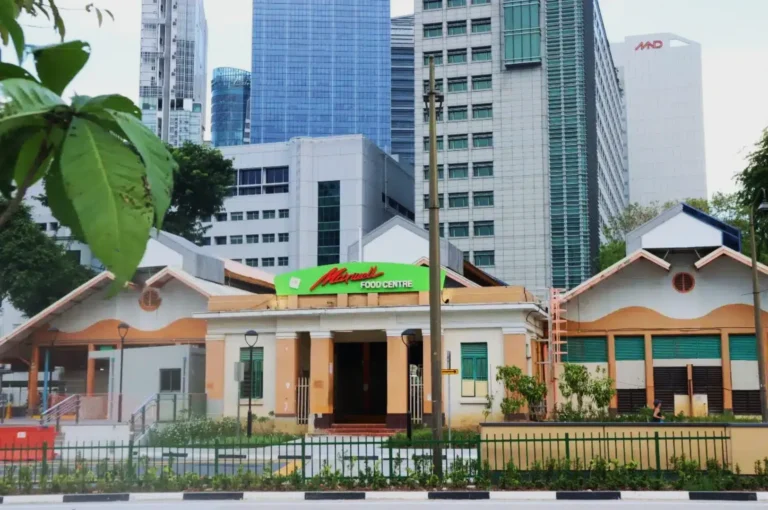
Singapore boasts many best hawker stalls where locals and tourists alike flock for their favorite eats. The Maxwell Food Centre is a hotspot for hainanese chicken rice and other delicious food, while the Airport Road Food Centre offers a diverse spread including bak kut teh, roast meats, and carrot cake — a savory dish made from steamed rice cakes and radish, often stir-fried with pork lard and served with a side of chili sauce.
Another popular dish is char kway teow, a stir fried noodle dish made with flat rice noodles, egg noodles, bean sprouts, pork belly, and sometimes minced pork, cooked with dark soy sauce and pork lard to create an irresistibly smoky flavor. This dish is a staple at many hawker centres and a famous dish among locals.
Kaya Toast and Coffee Shops: The Perfect Start
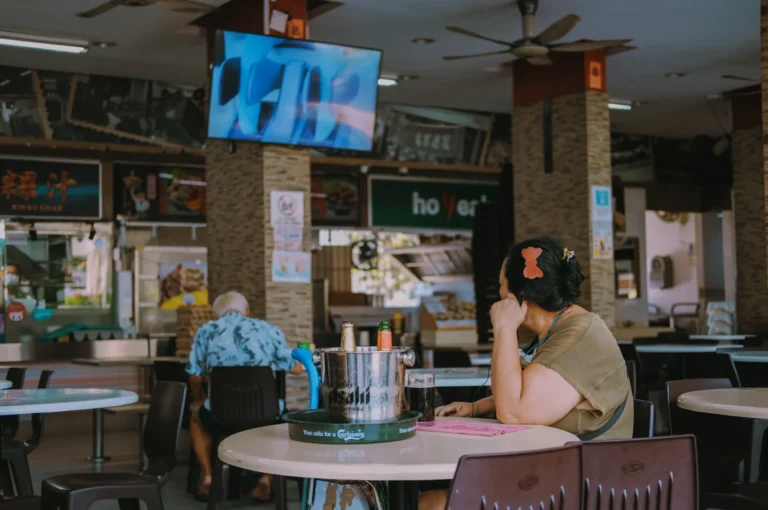
For breakfast or a light snack, the traditional kaya toast served at classic coffee shops like Ya Kun Kaya Toast is a must. This simple yet satisfying dish features toasted bread spread with kaya, a sweet coconut and egg jam, and butter, and is typically served alongside soft boiled eggs and kopi, Singapore’s rich local coffee. Pair it with a glass of condensed milk-sweetened tea for a truly incredibly tasty start to the day.
Zam Zam Restaurant is also known for its murtabak, a stuffed version of roti prata, making it another popular breakfast or snack option found at coffee shops.
Peranakan Food and Malay Dishes: A Cultural Fusion
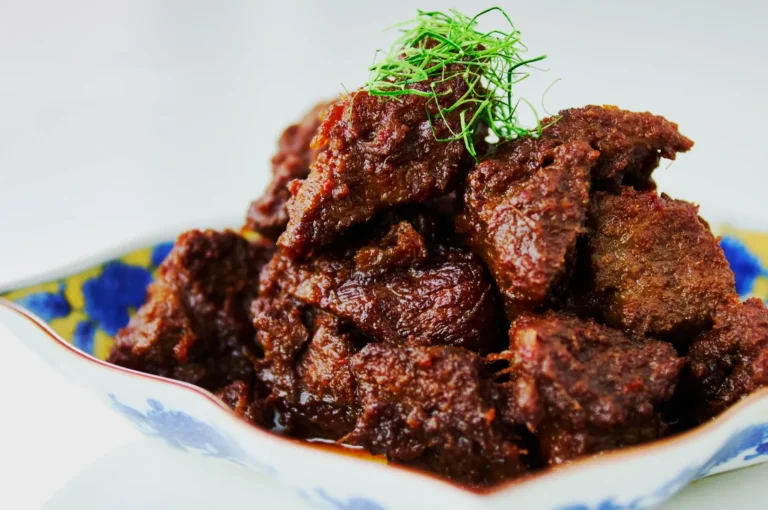
Singapore’s culinary landscape is enriched by Peranakan food and Malay dishes, which blend Chinese, Malay, and Indonesian influences. Favorites include beef rendang, a slow-cooked curry with tender beef in a fragrant coconut milk base, and nasi lemak, traditionally eaten for breakfast but enjoyed throughout the day. These dishes are often available at dedicated stalls within hawker centres or specialized restaurants in Singapore.
Some restaurants also offer the iconic Singapore Sling cocktail, a gin-based fruity drink that originated at Raffles Hotel, which pairs well with Peranakan or Malay dishes.
After enjoying Peranakan cuisine, consider visiting Candlenut, the world’s first Michelin-starred Peranakan restaurant, focusing on traditional Straits-Chinese food.
Conclusion: Embracing the Food Culture
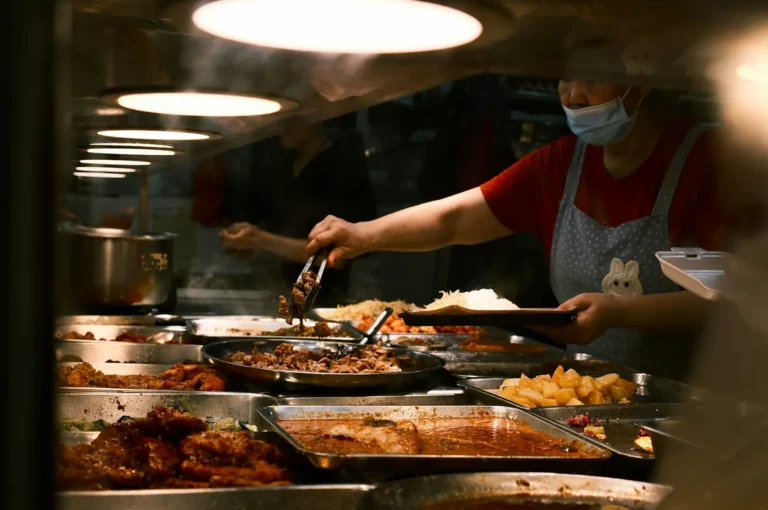
Ultimately, choosing where to eat at Singapore is about more than just food — it’s about engaging with the city’s vibrant culture through its street food, hawker stalls, and restaurants in Singapore. Whether you crave the crispy goodness of fried chicken, the comforting warmth of bak kut teh, or the rich flavors of chili crab, Singapore offers a culinary adventure for every palate. So next time you wonder where to dine, remember that the city’s best meals await in the lively food centres and hawker centres where locals gather to share stories and savor delicious food together.