For years, the word “fusion” carried a certain baggage. It often brought to mind confused menus, forced combinations, and a sense of culinary experimentation that was more about novelty than substance. In our work observing Singapore’s dining scene, we’ve seen this term evolve. Today, when we consider what a fusion restaurant in Singapore represents, we see something far more nuanced and confident. It is no longer about a jarring collision of cuisines on a plate; it is a reflection of the city’s own layered identity, where multiple histories and local flavors coexist naturally, creating a rich tapestry of taste that excites the taste buds.
Singaporean cuisine has been shaped by centuries of immigration and cultural exchange, drawing inspiration from around the world and resulting in a globally influenced food culture.
What was once a trend has become a baseline reality. This quiet evolution reveals a profound shift in our dining culture—a move away from needing to announce a concept and toward a more intuitive, grounded expression of who we are through the meals we enjoy.
This evolution is something we’ve been documenting closely at sgdiningguide.com.sg, where fusion dining is understood not as a gimmick, but as a natural expression of Singapore’s lived, multicultural identity.
Fusion Restaurants: From Experiment to Expectation
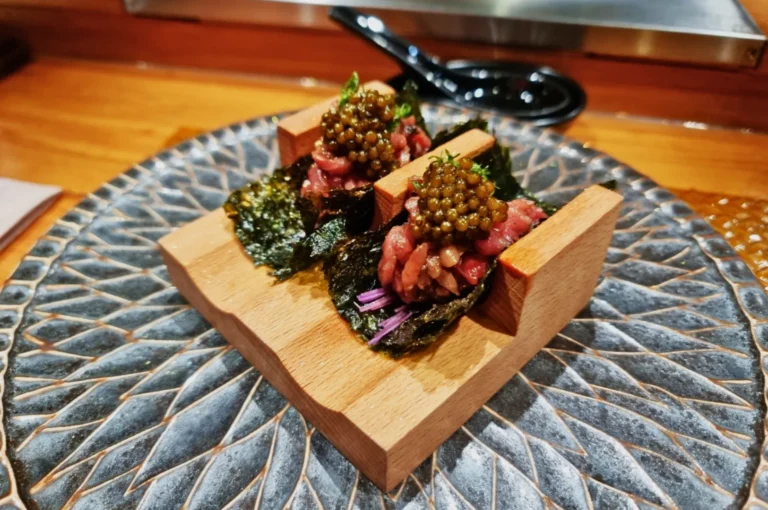
We remember when fusion dining first emerged as a boundary-pushing movement. It was often performative, driven by the excitement of combining unexpected ingredients like crab meat with spices from the Middle East or using maple syrup as a twist in savory dishes. A chef might pair a local spice with a European technique to create a headline-worthy dish. While sometimes exciting, it often felt like a deliberate act of rebellion against tradition.
Today, that dynamic has changed. The experimental edge has softened into a confident expectation. Diners are no longer surprised to see diverse influences on a single menu; in many ways, we have come to expect it. In Singapore, fusion cuisine often combines elements from Malay, Chinese, Indian, and other international cuisines, reflecting the city’s multicultural heritage. This maturity suggests that we have moved past the need for fusion food to be a spectacle. It has become a more intentional and thoughtful practice, rooted in a deep appreciation of how different culinary traditions can speak to one another.
Fusion Food: Cultural Fluency Over Combination
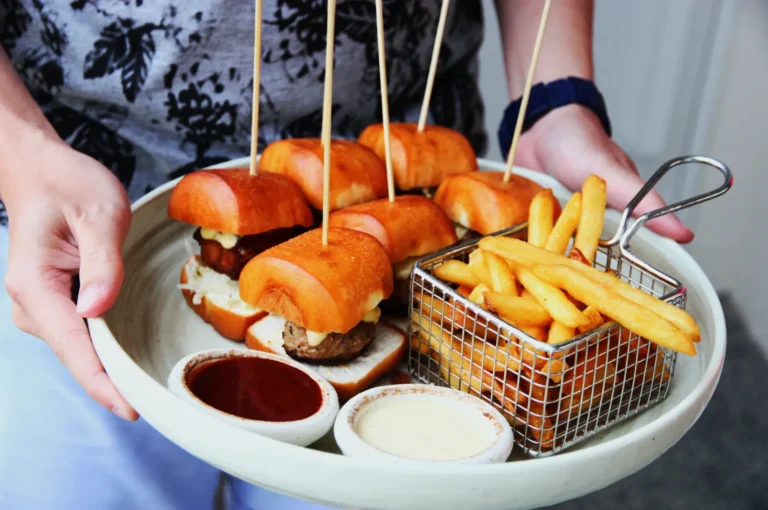
The most significant evolution we have observed is the shift from mere combination to cultural fluency. The early wave of fusion was often about the “what”—what happens when you mix wasabi with mashed potatoes or infuse nasi lemak with a creamy butter sauce? In contrast, today’s most compelling kitchens are focused on the “why.” They succeed not by arbitrarily mixing cuisines, but by demonstrating a deep understanding of the cultures they draw from.
Modern Singaporean (Mod-Sin) chefs exemplify this by reinventing Peranakan and local classics through the use of Western techniques, skillfully blending east and west in their dishes. This thoughtful integration highlights how fusion restaurant chefs in Singapore respect both heritage and innovation, creating new interpretations rooted in cultural fluency.
This fluency means respecting the heritage and techniques of each tradition. It is not about throwing disparate ingredients together, but about finding the shared philosophies that connect them. A chef might use a French sauce-making technique to amplify a Southeast Asian flavor profile, not to mask it. This approach requires a level of respect and knowledge that goes far beyond surface-level pairings, showcasing a sophisticated understanding of global foodways and the creative potential of fusion cuisine.
Best Fusion Restaurants: Technique and Craft as the Common Language
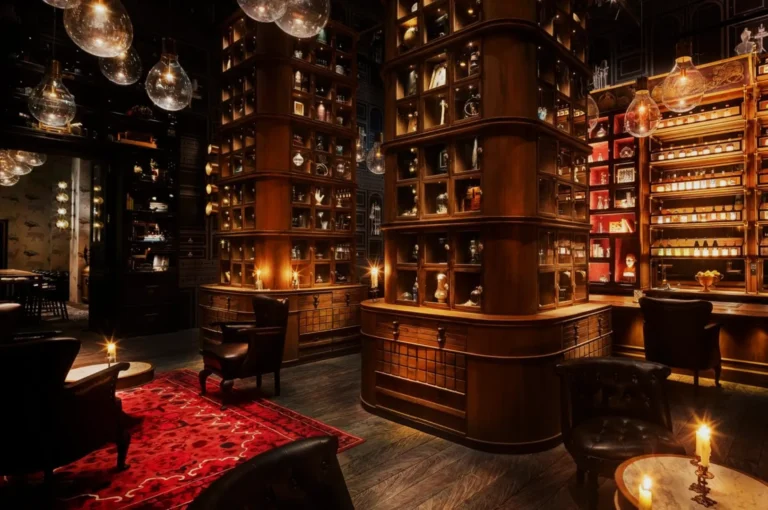
As the focus on novelty has faded, a new anchor has emerged: technique. We see that the common language in a modern fusion restaurant in Singapore is no longer about a clash of identities, but about the unifying power of craftsmanship. The conversation has shifted from the origin of the ingredients to the precision of their execution.
Whether it is the art of fermentation, the control of an open flame, or the delicate balance of a sauce, these kitchens are grounded in process. For example, a signature beef rendang may be slow-cooked to achieve deep tenderness and rich flavor. This focus on craft allows chefs to blend influences with coherence and clarity. The Masses exemplifies this with its Euro-Asian fusion cuisine, blending French and Asian flavors in inventive ways. Burnt Ends is another standout, known for Australian BBQ with Asian spice, offering unique dishes like expertly cooked smoky short ribs. This technical mastery gives chefs the vocabulary to create dishes that feel both innovative and logical. It proves that when technique is the foundation, cultural influences can be woven together seamlessly, creating something that feels whole rather than pieced together.
Nasi Lemak and Local Flavors: A Taste of Singapore’s Culinary Identity
This evolution in the kitchen is mirrored by a change in the dining room. Singaporean diners have become incredibly comfortable with complexity. We no longer need a menu to explain every fusion concept to us; we expect to find coherence on the plate. We can taste when a combination feels natural versus when it feels forced.
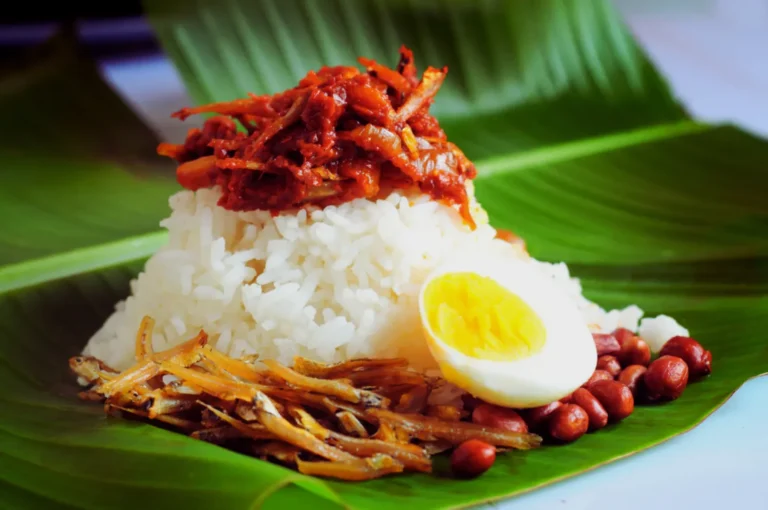
Take, for example, the beloved nasi lemak—a dish traditionally served with fragrant rice, spicy sambal, crispy fried chicken, fresh cucumber slices, and garnished with crunchy bean sprouts and eggs. Modern fusion restaurants in Singapore have reimagined this classic with a creative twist, serving nasi lemak-inspired tacos or incorporating rich, creamy sauces that elevate the dish to new heights. The first bite is often a delightful surprise, a perfect balance of spicy, fresh, and rich flavors that showcase the city’s culinary creativity.
Labyrinth is known for avant-garde local reinterpretations, such as their deconstructed Nasi Lemak. Other standout fusion dishes include Chilli Crab Pasta, which combines Singapore’s iconic chili crab sauce with Italian pasta, and Laksa Risotto, a blend of creamy Italian risotto and spicy Peranakan Laksa flavors. Innovative Japanese-Peruvian fusion creations often feature salmon as a key ingredient, highlighting its versatility in dishes like tacos and sashimi.
The annual Singapore Food Festival attracts visitors from around the world to experience these local culinary delights, celebrating the vibrant and ever-evolving fusion restaurant scene in Singapore.
As menus grow more confident and layered, so too do the spaces in which they are enjoyed. For occasions that call for focus, conversation, and shared milestones, Intimate Dining Singapore: Best Private Dining Rooms for Memorable Gatherings reflects how fusion cuisine often finds its fullest expression in more personal settings.
Must Try: Memorable Fusion Dishes and Experiences
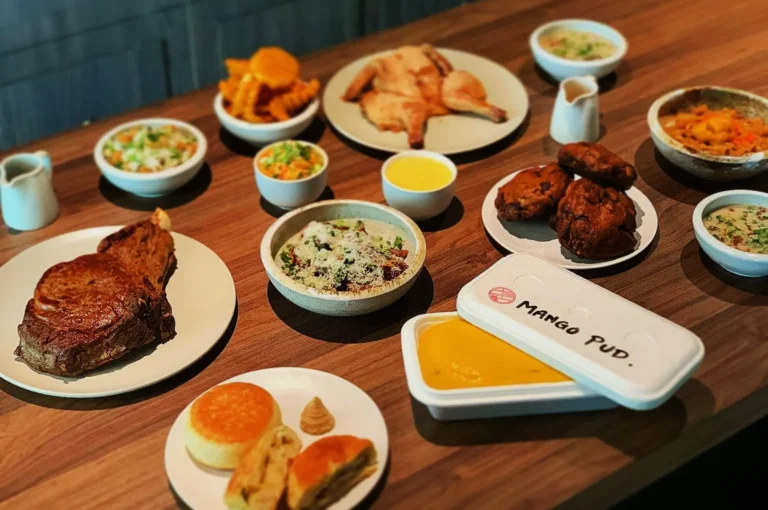
Fusion restaurants in Singapore offer a variety of dining experiences, from casual hawker centers to upscale bistros, making them accessible to all. In 2026, fusion cuisine remains a cornerstone of Singapore’s identity, celebrated in both everyday eateries and Michelin-starred establishments. Sustainability and technology are also fostering the use of hyper-local ingredients and innovative plant-based fusion dishes, reflecting the city’s forward-thinking approach.
Ultimately, the modern fusion restaurant is a microcosm of Singapore itself. It is a space where multiple histories, languages, and traditions coexist not as a novelty, but as an everyday reality. Many of these restaurants feature a full-fledged bar, offering craft cocktails and a wide selection of drinks that pair perfectly with their inventive dishes, creating a complete and vibrant dining experience. The seamless integration of diverse influences on a menu reflects the lived experience of a city built at a crossroads.
Fusion restaurants in Singapore are also family-friendly, suitable for kids, and often offer lunch options alongside dinner. Dessert is a key part of the menu, with cake being a popular choice for lunch or to enjoy with coffee. The Singapore Tourism Board actively promotes native cuisine as a tourist attraction, highlighting the importance of fusion cuisine in drawing visitors who are curious to explore the city’s culinary diversity. Missing out on the nuances of fusion cuisine can lead to misconceptions—don’t miss the chance to appreciate the depth and creativity that define these establishments.
What was once a culinary concept has simply become an honest reflection of our identity. These restaurants are not rebelling against anything; they are participating in the natural, ongoing conversation of a multicultural society. They prove that our greatest strength lies in our ability to absorb, adapt, and create something new without losing our sense of self.
From rich tapas garnished with fresh lime and prawns to creamy pancakes served with maple syrup and a side of refreshing coffee, the best fusion restaurants offer a memorable experience that delights every person at the table. Whether you’re enjoying brunch with friends, a family lunch with kids, or a refined dinner service, the passion and creativity of the chefs shine through every course—including signature desserts and drinks—ensuring you won’t forget the unique connection between flavors and cultures.
Curious diners can explore standout fusion spots like Ms Maria & Mr Singh, known for chicken tikka tacos, truffle quesadilla, and crab curry; Vatos Urban Tacos, serving Kimchi Carnitas Tacos; Tambi, blending Korean and Southern Indian cuisine with dishes like chicken curry laced with kimchi; Chifa! with its Peruvian-Chinese crab reventado jiao zi; Barood, featuring spiced paneer tacos and a lively bar; and Nobu, famous for Japanese-Peruvian creations like tuna sashimi with guacamole. Even rendang tacos, with their rich, complex flavors, showcase the delight of Singapore’s ever-evolving fusion scene.
Conclusion
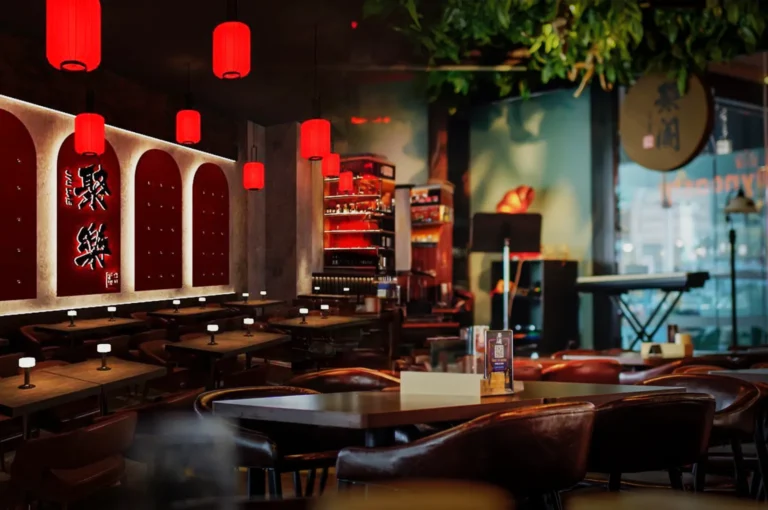
When we look at a fusion restaurant in Singapore today, we see a quiet confidence. We see a shift from loud experimentation to the assured hum of cultural fluency and technical skill. The term itself is becoming almost redundant because the philosophy behind it is now so deeply embedded in our dining DNA. It is no longer about standing out; it is about fitting into the natural, complex, and ever-evolving rhythm of our city—a city that has always understood that the most beautiful things are created in the spaces between worlds.