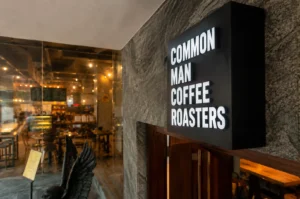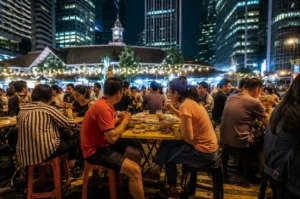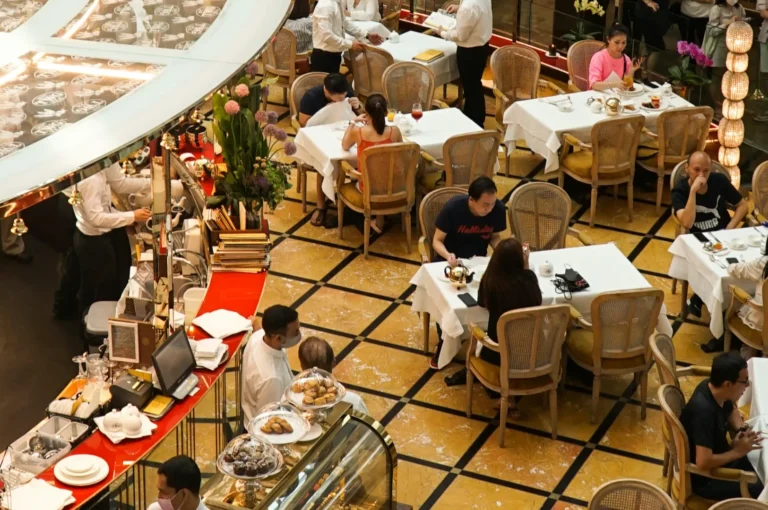
When I look at the food landscape of this city, I find myself drawn not just to the independent hawker stalls or the high-concept restaurants, but to the names we see repeated in every neighborhood. To an outsider, these might just look like businesses. But I’ve come to see these local Singapore brands as something more. They feel less like corporations and more like fixtures of our daily lives, as predictable and essential as the MRT. To understand how a city truly eats, you have to look at what it returns to, day after day. It’s in this repetition that you discover a culture built not on novelty, but on a deep, quiet trust.
Many of these brands have also gained recognition beyond Singapore’s shores, expanding their presence across Asia, the Middle East, and even the globe. From Old Chang Kee’s iconic curry puffs reaching markets in Malaysia, Australia, and the United Kingdom, to TWG Tea’s luxurious blends served in elegant salons from Japan to France, Singaporean brands are influencing global tastes while remaining true to their roots.
Familiarity as a Measure of Trust Among Singaporean Brands

In many places, a brand’s value is tied to excitement and newness. Here in the little red dot, I believe the opposite is often true. We reward familiarity. There’s a particular comfort in knowing that the coffee you buy in Tampines will taste exactly the same as the one you get in Jurong, or when you walk into a shop and immediately recognize the brand’s consistency. This isn’t a sign of a boring palate; it’s a sign of a pragmatic one. We associate these repeated names with an assurance that our expectations will be met.
This return to the familiar is a powerful cultural trait. In a city that is in a constant state of flux, where buildings rise and fall with bewildering speed, these Singaporean brands offer an anchor. They are predictable in the best sense of the word. Choosing them is not an act of surrender to the mainstream, but a conscious decision to seek reliability in a world that offers very little of it. Trust isn’t built through flashy marketing campaigns here; it’s earned through countless, consistent daily transactions. For many, even on their first time visiting a shop, the level of service and sense of familiarity quickly builds trust and makes the experience memorable.
Consistency Over Reinvention: A Story of Quality and Lifestyle
I’ve noticed that the most enduring local brands are rarely the ones that chase every new trend. They succeed by doing one or two things exceptionally well and then refusing to deviate. Benjamin Barker, for example, specializes in slim-fit suits crafted from European fabrics and Japanese-inspired tailoring. There is an almost stubborn dedication to maintaining standards over time and across scale. They understand that their value lies not in reinvention, but in repetition.
This preference for consistency over spectacle says a lot about what we prioritize. We respect discipline. We admire the operational rigor required to deliver the same quality product whether you are serving five people or five thousand. Consistent style and thoughtful packaging are also crucial in maintaining brand standards, supporting both visual identity and global accessibility. While the global market might celebrate disruption, Singapore’s food culture quietly honors the brand that can master its craft and then replicate it flawlessly. It’s a less glamorous path, perhaps, but it’s one that builds a lasting legacy.
Brands as Part of Everyday Geography and Global Expansion
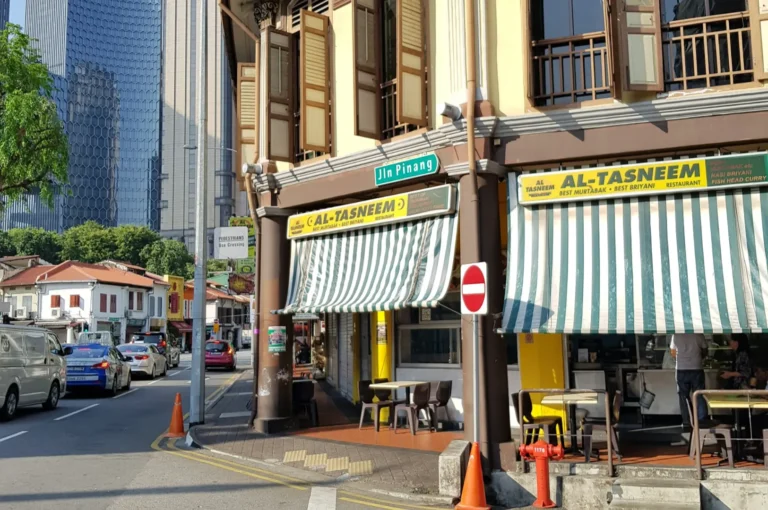
Singaporean brands are expanding globally, with a presence in markets like Cambodia, China, Indonesia, Italy, and Mexico. Beyond fashion and wellness, their influence is reaching into food and dining.
Take Charles & Keith—what started as a single store in Amara Shopping Centre in 1996 has now grown into 600+ global outlets, symbolizing Singaporean design’s global reach. This same innovative spirit is visible in Singapore’s dining scene, with restaurants like TWG Tea and Old Chang Kee expanding their influence internationally.
The Spa Esprit Group, with brands like Strip and Browhaus, exemplifies how Singaporean lifestyle brands thrive globally. Their focus on wellness mirrors Singapore’s F&B sector, where experiences like Ya Kun Kaya Toast and TWG Tea offer more than just food—they offer a taste of Singapore’s culture to the world.
As Singaporean brands continue to expand, they’re not just creating products—they’re shaping global experiences, with food and dining at the heart of it all. From Seoul to Mexico, Singapore’s quality and innovation are carving out a place on the world stage.
While many Singapore brands thrive on visibility and repetition, there is also value in spaces designed for intentional gathering. This quieter side of dining is explored in Intimate Dining Singapore: Best Private Dining Rooms for Memorable Gatherings, where privacy and atmosphere take precedence over scale.
Scale Without Losing Identity: Lessons from Banyan Group and Como Hotels
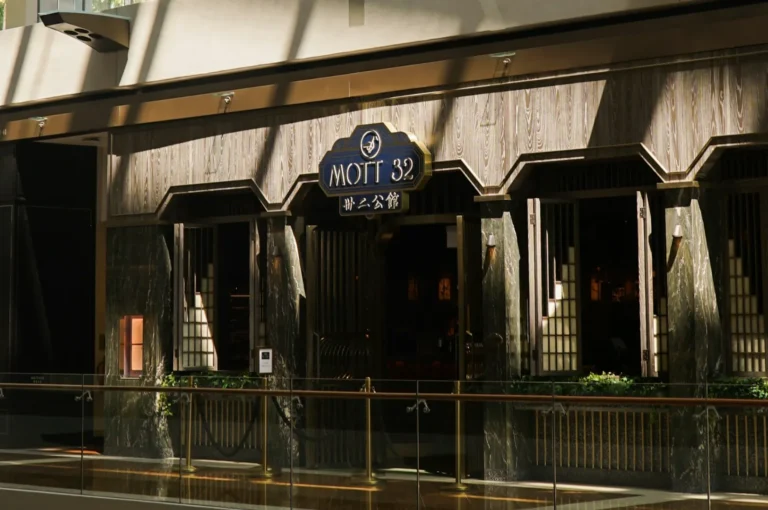
One of the most difficult things for any brand to do is to grow without losing its soul. Yet, many of our local institutions have managed this delicate balancing act. They have scaled their operations efficiently without becoming sterile or generic. This reflects a uniquely Singaporean understanding of how to blend quality with pragmatism.
The ability to expand without dilution is a skill we seem to appreciate. It shows an understanding that character doesn’t have to be sacrificed for the sake of growth. These brands maintain their identity across dozens of locations, proving that it is possible to be both accessible and authentic. This balance is something we recognize and reward, as it mirrors our own societal efforts to manage progress while holding onto our heritage.
For example, the Banyan Group and Banyan Tree resorts, founded by Claire Chiang and her husband, have become synonymous with luxury and wellness worldwide, championing sustainability before it was a trend. Similarly, Como Hotels have expanded their serene retreats globally while maintaining a distinct lifestyle and hospitality art form rooted in Asian sensibilities.
Emotional Memory and Shared Reference: The Power of Food and Beauty Brands
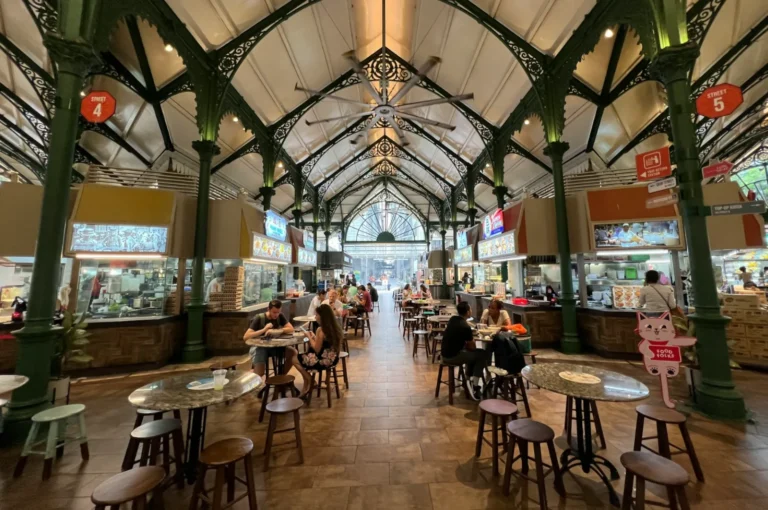
Beyond the practicalities of taste and convenience, these brands endure because they are vessels of memory. They are woven into the fabric of our lives, appearing in family routines and casual conversations. They become shared cultural references that connect us. For many, a particular brand might evoke the taste of childhood, a weekend ritual with parents, or the comfort of a post-school snack.
Brands like Ya Kun Kaya Toast with its nostalgic kaya toast and soft boiled eggs evoke a uniquely Singaporean breakfast experience, while Eu Yan Sang and Eu Yan have long been trusted names in Chinese medicine and health products, carrying a heritage that spans generations.
OSIM, founded in Singapore in 1980, has a global presence with its massage chairs and health devices available in 410 stores across multiple continents. Celebrity ambassadors Andy Lau and Hyun Bin have further enhanced OSIM’s appeal and cultural resonance. Axe Brand Universal Oil, a heritage brand founded in 1928 by Leung Yun Chee, is another example of a Singaporean brand with deep roots and international recognition. Eagle Brand is also a heritage brand, well known for its medicated Green Oil.
This emotional resonance is what gives a brand its staying power. It transforms a simple commercial product into something personal. The brand is no longer just a name on a sign; it is a repository of shared experiences. It’s this collective memory that ensures their place in the city’s heart long after the initial hype of a new opening has faded.
The idea of memory-making extends beyond everyday routines into more deliberate moments of gathering.
Conclusion: Singapore Brands as a Reflection of the Little Red Dot’s Future
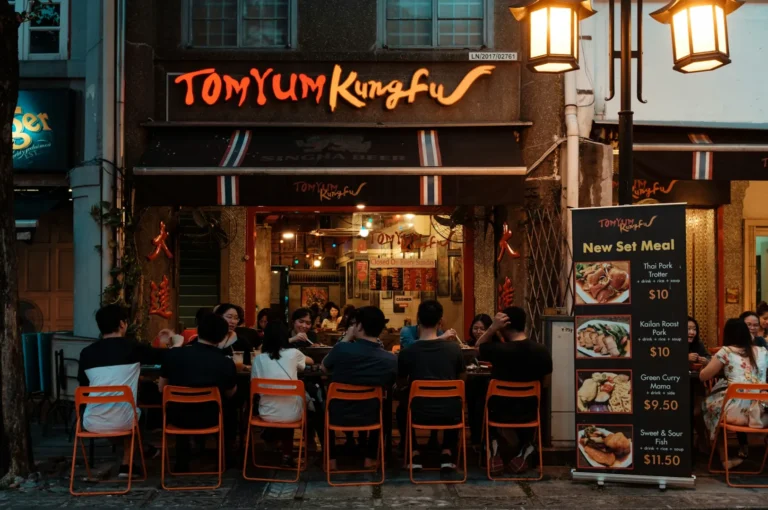
When we look closely, Singapore brands tell us a story about how this city really eats and lives. It’s a story not of aspiration or fleeting trends, but of habit, trust, and deep-seated familiarity. These names matter because they reflect a dining and lifestyle culture built on the quiet virtues of reliability and consistency.
From the fashion influence of brothers Charles and Keith Wong who founded Benjamin Barker, to the global reach of Skin Inc in beauty and wellness, Singaporean companies are shaping the future with a blend of innovation and tradition.
They are not just selling food, drinks, or products; they are providing a steady, comforting rhythm to our daily lives, and in doing so, they have become an inseparable part of who we are. In this era of rapid change, these brands anchor us, reminding us of the power of quality, community, and the enduring spirit of the red dot.
This is the lens through which we approach food and culture at SG Dining Guide—not as a pursuit of novelty, but as an ongoing conversation about habit, trust, and the everyday choices that shape how this city eats.