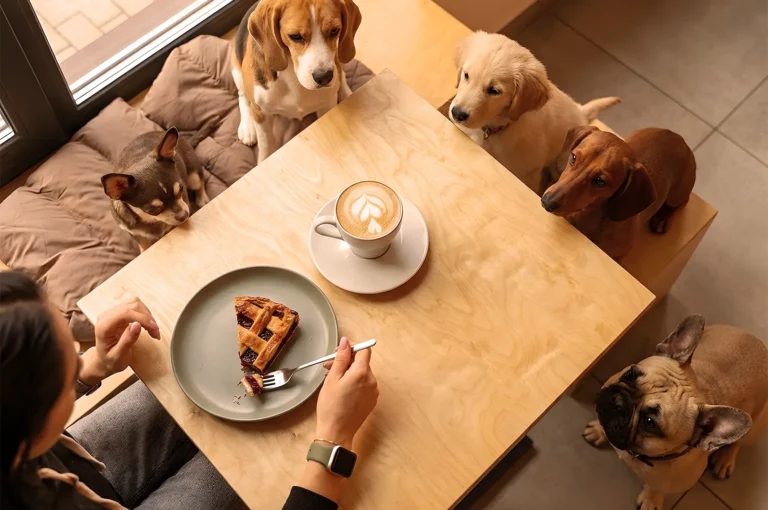
I spent a quiet, rainy Tuesday afternoon cornered in a plush velvet armchair, a sprawling golden retriever resting his remarkably heavy chin across my knees. Outside the rain-streaked window, the city moved with its usual relentless urgency, an endless blur of hurried umbrellas and red brake lights. Inside, however, time seemed to spool out slowly, almost luxuriously. The air smelled faintly of roasted coffee beans, damp earth, and warm fur. It was in this still moment of complete surrender that I realized something essential about the spaces we build. As we navigate the social complexities of 2026, the concept of the pet cafe should no longer be viewed as a fleeting, whimsical weekend novelty; it deserves to become a deeply normalized, integrated part of our daily urban lives.
Beyond the quiet, personal comfort they consistently provide, these unique spaces gently dismantle the rigid social barriers we instinctively build around ourselves. In a traditional specialty coffeehouse, we typically sit behind the glowing shields of our laptops, actively avoiding the gaze of strangers sitting mere inches away. A pet cafe, by its very nature, invites a completely different social choreography. I have watched hardened corporate professionals soften into genuine laughter as a clumsy kitten tangles itself in a stray shoelace. I have struck up effortless, warm conversations with neighbors I would have otherwise ignored, our shared affection for a resting animal bridging the awkward gap between two strangers. The animals act as gentle social catalysts, reminding us of our shared, underlying capacity for tenderness.
As we look toward the future of urban planning and community well-being in 2026, our collective definition of a sanctuary must evolve. We need community third spaces that do far more than serve a perfectly poured flat white; we need environments that actively restore our frayed nervous systems.
Normalizing the pet cafe means recognizing that the simple, profound act of stroking a dog’s ears alongside a warm cup of Earl Grey is not a childish indulgence at all.
It is, instead, a deeply human necessity. It is time we weave these quiet, comforting sanctuaries seamlessly into the very fabric of our modern cities.