I still remember the first time I decided to treat myself to a dinner at one of the “Top 50 restaurants Singapore” has to offer. I had just received a promotion at work and wanted to celebrate. I opened my browser, searched for the best restaurants in the city, and was instantly paralyzed by choice. There were MICHELIN stars, “Asia’s 50 Best” rankings, and local editorial lists all pointing me in completely different directions.
I ended up booking a highly acclaimed French fine dining spot located in the National Gallery Singapore. I was sweating in my stiffest collar, terrified I would use the wrong fork, and when the bill came out to over $400 per person, my jaw nearly hit the beautifully manicured floor. The food was incredible, featuring delicate slices of fresh seafood flown in from Tokyo’s Toyosu Market, but the experience felt so alien to my usual dining habits.
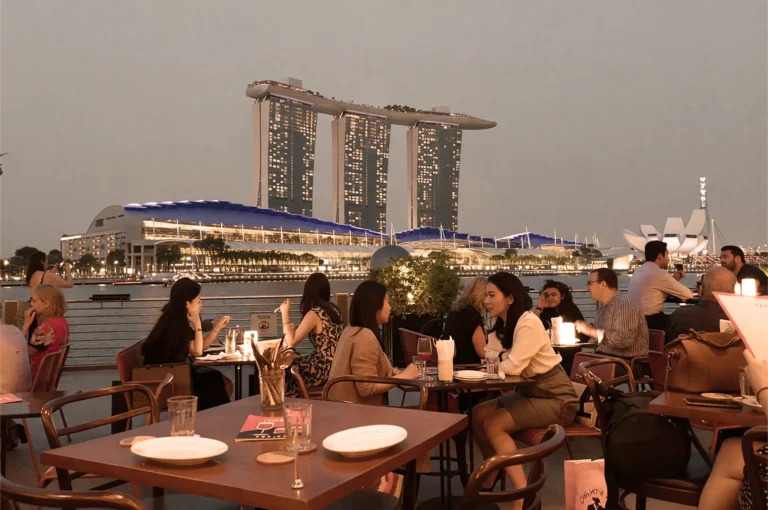
Over the years, I’ve learned a massive lesson: you don’t always have to empty your bank account or wear a tuxedo to eat at Singapore restaurants ranked among the top 50. Our dining scene is a wild, beautiful mix of high-end gastronomy and incredible local heritage. Amoy Street and Ann Siang Road stand out as vibrant dining destinations, each known for their top-tier eateries and diverse culinary offerings. Marina Bay is another prime spot, celebrated for its upscale dining options and iconic waterfront views. I’ve eaten my way through many of these restaurants list entries, making plenty of mistakes along the way.
How Exactly Do Singapore Restaurants Make the "Top 50" Lists?

When I first started caring about food rankings, I thought there was some secret government committee deciding the Best Top 50 Dining Establishments in Singapore. There isn’t. The reality is that there are several different lists, and they all judge food completely differently.
If you want to understand why a restaurant is famous, you need to understand who is doing the judging. Here is how the big three work:
1. The Michelin Guide (The Traditionalists)
MICHELIN relies on anonymous, highly trained inspectors. They don’t care about how trendy a place is or how many followers the chef has on Instagram. They care about five things: quality of ingredients, mastery of flavor and cooking techniques, the personality of the chef in the cuisine, value for money, and consistency between visits. The MICHELIN Guide also awards the MICHELIN Green Star to restaurants that demonstrate outstanding sustainable practices and environmental responsibility.
This is why a humble hawker stall or a casual restaurant can earn a MICHELIN star right alongside a luxury hotel restaurant like Les Amis at Shaw Centre, or prestigious venues such as Summer Pavilion at The Ritz Carlton, Millenia Singapore, or Burnt Ends in Keong Saik Road.
2. Asia’s 50 Best Restaurants (The Industry Insiders)
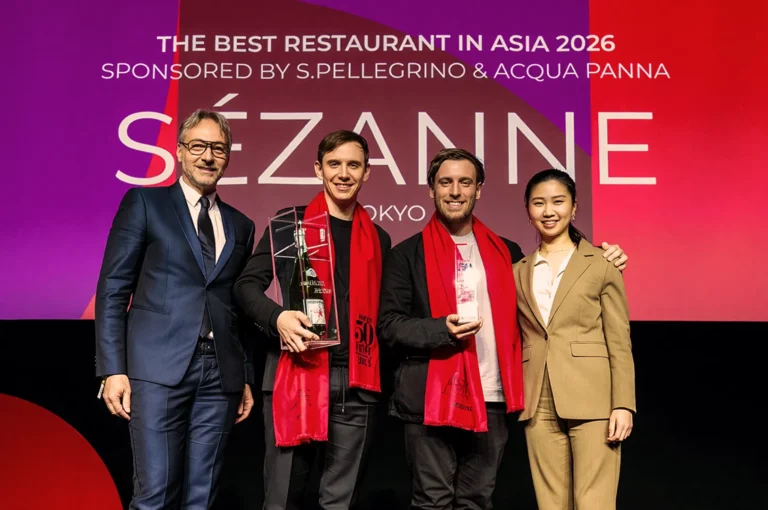
This list is decided by a massive panel of chefs, food writers, and restaurateurs across Asia. Notably, Bangkok and Tokyo each have nine restaurants in the top 50, underscoring the competitive nature of the 2025 Asia’s 50 Best Restaurants list and the strong culinary presence of these cities. In my experience, this list leans heavily toward innovation, atmosphere, and “the vibe.” If a restaurant is pushing culinary boundaries, doing something wild with fermentation, or creating a spectacular dining room party, it will likely land here. Meta Restaurant on Mohamed Sultan Road and Fat Prince are great examples of this contemporary twist on dining.
3. Time Out Singapore (The Local Pulse)
Local editorial lists like Time Out are curated by editors and local critics who actually live and eat here every day. I personally love these lists the most because they balance high-end fine dining with neighborhood gems like The Coconut Club, known for its premium nasi lemak, and sister restaurants specializing in Filipino cuisine or traditional Indian flavours. They look for local relevance, cultural impact, and actual value for money. These lists often highlight restaurant offers, such as special menus or promotions, to attract diners.
Insider knowledge: Don’t stress over which list is “right.” Use MICHELIN when you want flawless technique and the prestige of three MICHELIN stars or one MICHELIN starred restaurant excellence. Use Asia’s 50 Best when you want an edgy, trendy night out with an ever evolving menu. Use local editorial lists when you want a deeply satisfying meal without the pretension, maybe featuring familiar flavours or signature dishes like blue swimmer crab curry or coffee pork ribs.
Unique Dining Experience: What Makes a Visit Unforgettable
Distinguished restaurants are commonly characterized by exclusive offerings unavailable elsewhere. These establishments may feature tasting menus centered on chef-driven concepts reflecting personal culinary histories, or signature dishes such as the potato soup at JAAN by Kirk Westaway, which has achieved established local recognition. Whether through chef’s counter dining experiences, precisely spiced regional cuisine, or comfort-focused preparations, these distinctive elements define Singapore’s dining landscape and contribute to its sustained appeal among diners.
The Big Hitters: Examples of Recognized Restaurants in Singapore
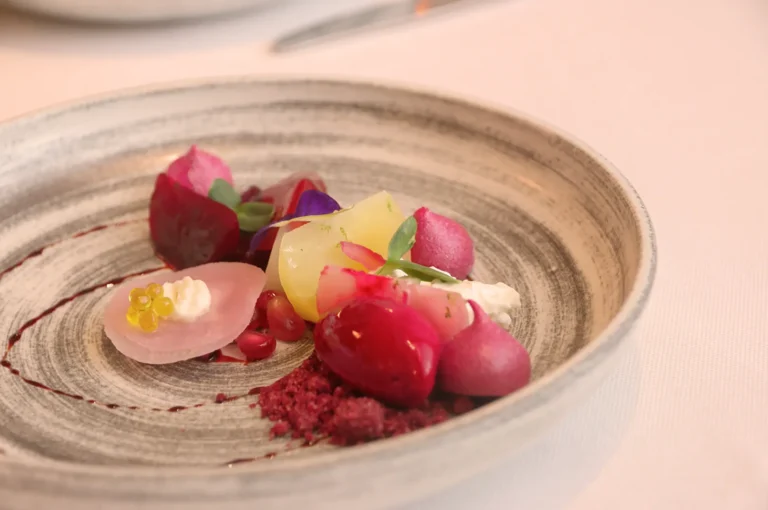
To give you an idea of what eating on these lists actually looks like, here are three very different examples of highly recognized restaurants in Singapore. Many top restaurants offer a variety of menu options, including large plates, small plates, and a la carte menus, catering to different dining preferences. Main courses often take centre stage in these establishments, and alfresco areas provide a relaxed, open-air dining experience that enhances the overall atmosphere.
The Pinnacle of Fine Dining: Odette at National Gallery Singapore
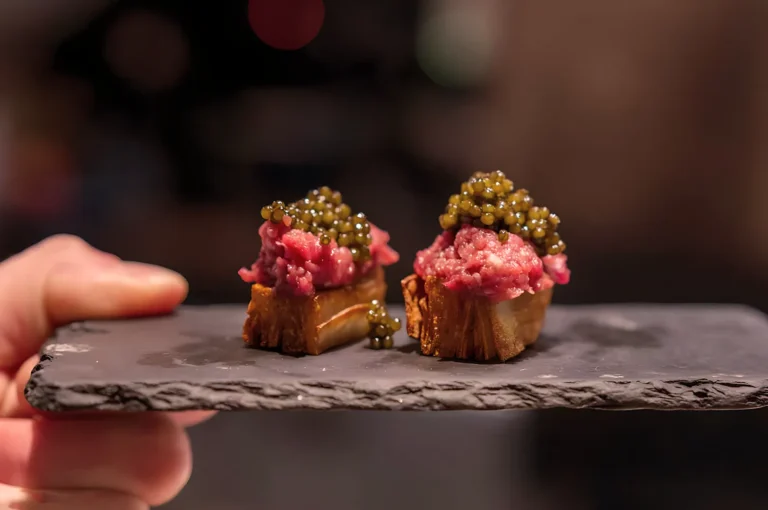
Located inside the National Gallery, Odette frequently tops both the MICHELIN Guide (holding three Michelin stars) and Asia’s 50 Best lists. The food is modern French with Asian influences, drawing inspiration from seasonal ingredients and fresh produce.
The Edgy, Fire-Driven Favorite: Burnt Ends at Keong Saik Road
Tucked away in the Keong Saik neighborhood, Burnt Ends has a MICHELIN star and regularly features on Asia’s 50 Best. It is a modern Australian barbecue restaurant where almost everything is cooked in a custom four-ton, dual-cavity wood-burning oven.
The Local Heritage Hero: Keng Eng Kee Seafood
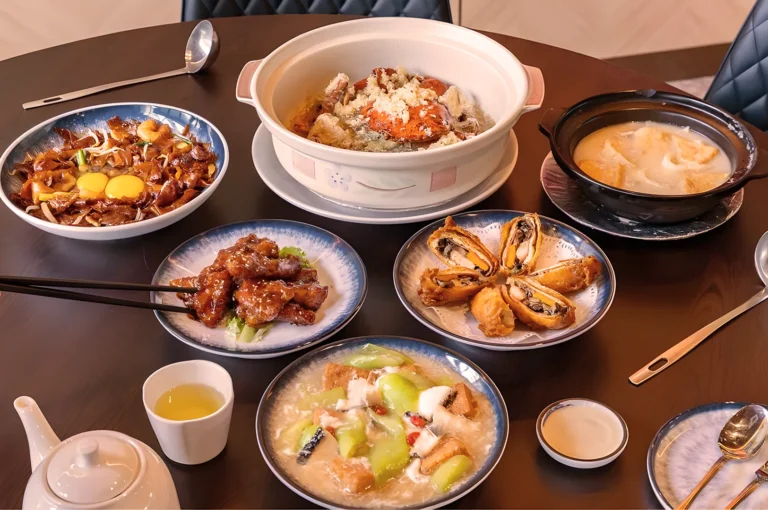
This spot frequently pops up on local editorial lists and holds a MICHELIN Plate (recognized for very good food). Located under a public housing block in Bukit Merah, “KEK Seafood” serves incredible zi char (Singaporean home-style cooking) featuring dishes like coffee pork ribs and moonlight hor fun fried rice.
Practical Tips for Tackling the Top 50 Restaurants Singapore Has to Offer
Dining at Singapore’s elite restaurants requires a bit of strategy. I’ve shown up to places on the wrong day, wearing the wrong clothes, and it completely ruined the experience. Here is how to navigate it like a pro.
Master the Reservation Game
You cannot just walk into a Top 50 restaurant on a Friday night. Many of these places release their tables 30 to 60 days in advance at a specific time (e.g., midnight on the first of the month). Many of these restaurants offer booking through the Grab app and Grab Dine Out, which sometimes provides exclusive discounts.
- Actionable advice: Follow the restaurant on Instagram to learn their exact reservation release schedule. Set an alarm on your phone five minutes before the slots open. Have your credit card ready, as almost all of them require a deposit of $50 to $100 per person to secure the table.
Navigate the Dress Code
Singapore is hot and humid all year round, so we naturally dress down. However, high-end restaurants draw a hard line.
- Actionable advice: Always check the restaurant’s website for the dress code. “Smart casual” usually means covered shoes and long trousers for men (no shorts or sandals allowed). For women, a nice dress or tailored pants work perfectly. If you show up in flip-flops to a fine dining spot like Les Amis at Shaw Centre, they will turn you away at the door.
Communicate Dietary Restrictions Early
When you are paying $200 for a tasting menu, the kitchen runs like a tightly choreographed ballet. They prepare exact portions of ingredients days in advance.
- Actionable advice: Do not wait until you are seated to tell the waiter you are allergic to shellfish or cannot eat pork. You must state your dietary restrictions in the reservation notes weeks in advance. If you tell them on the day itself, many kitchens will politely decline to alter the menu, and you’ll be stuck paying for food you can’t eat.
Pro tip: Go for lunch instead of dinner. Many top-tier restaurants (like Meta Restaurant or Labyrinth at Esplanade Mall) offer shorter, slightly less elaborate tasting menus. You get to experience the chef’s signature style and the beautiful dining room for about 30% to 40% less than the dinner price.
Diverse Cuisines in Singapore’s Top 50 Restaurants
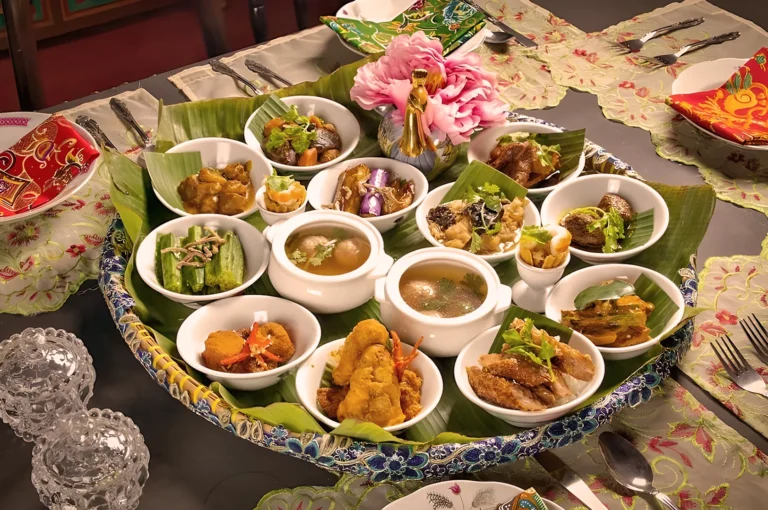
Singapore’s top 50 restaurants showcase a rich culinary diversity, from bold Peranakan flavors at MICHELIN-starred Candlenut to modern Indian dishes with European influences at Thevar. Contemporary Asian cuisine thrives at Cloudstreet, blending global techniques with local ingredients.
Japanese fine dining shines with Shoukouwa’s premium sashimi flown from Tokyo’s Toyosu Market, while Korean cuisine is elevated at Naeum, reflecting the chef’s international journey. Italian favorites like wood-fired pizzas and handmade pastas are expertly crafted at La Bottega Enoteca and Publico Ristorante. Middle Eastern flavors come alive at The Prince with hearty mezze platters.
Rempapa offers a multicultural menu spanning Chinese, Peranakan, Eurasian, Indian, and Malay kitchens. Fiz highlights modern Southeast Asian cuisine inspired by traditional Malay cooking. West African influences appear with rich, artisanal touches like smoked bacon butter and goat’s milk ricotta.
Latido, Singapore’s sole Colombian restaurant, introduces vibrant Latin American dishes such as grilled chicken hearts. Unique ingredients like ginger flower add distinct notes in modern fusion creations.
Signature dishes often become the highlight of the meal, while The Coconut Club and its sister restaurant emphasize quality and heritage. This variety reflects Singapore’s status as a global food hub where tradition meets innovation, making dining in the top 50 a true culinary adventure.
Final Thoughts
Diving into Singapore’s Top 50 restaurants shouldn’t feel like a stressful exam you have to study for. It should be a thrilling exploration of one of the greatest food cities on the planet.
My best advice is to start small. Don’t immediately book a $400 tasting menu if you aren’t used to fine dining. Look up a local editorial list, pick a highly-rated neighborhood pasta bar or a modern Asian grill, and see how you like the elevated service and creative flavors. Make your reservations early, dress comfortably but sharply, and don’t be afraid to ask the waiters questions about the food—they love sharing the stories behind the dishes.
With SG Dining Guide, we will show you dining experiences to try, and enjoy the incredible flavors this city has to offer. Happy dining!