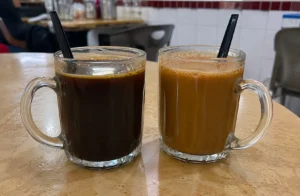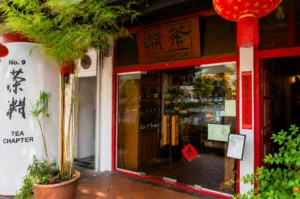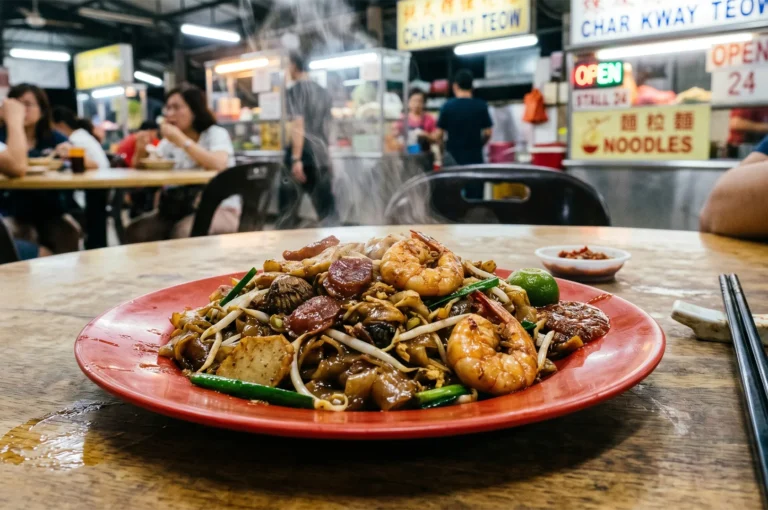
I remember a time when eating out in Singapore meant grabbing a plastic chair at a crowded hawker centre sweating under a ceiling fan, and waiting for a plate of char kway teow. Food was simply about sustenance and community. Today, you can walk down the same street and find a tasting menu that requires a reservation three months in advance. The transformation of our food scene from casual hawker stalls to prestigious Michelin stars is nothing short of remarkable.
This shift did not happen overnight. For decades, our local food courts and hawker centres were the great equalizers of our society. Everyone ate there, regardless of their background. But as Singapore grew into a global financial hub, our palates began to change. We started demanding more diverse options, and international chefs saw an opportunity to set up shop in our city.
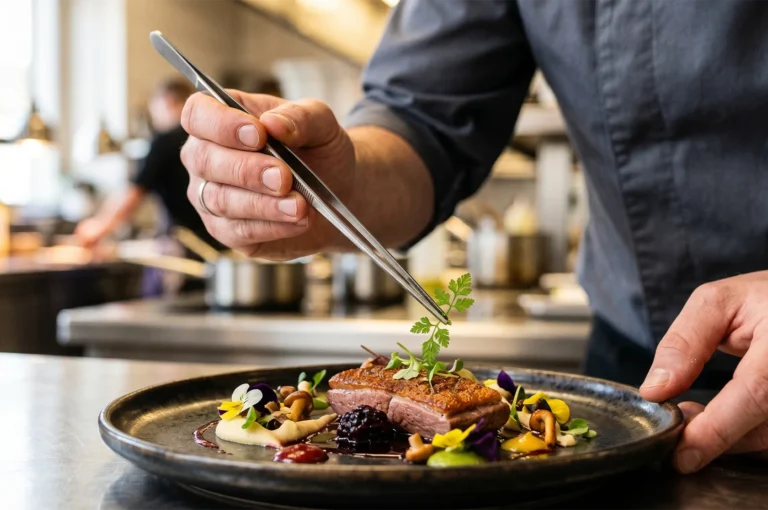
The real turning point came when the Michelin Guide finally arrived on our shores. Suddenly, the world was paying close attention to what we were putting on our plates. This international recognition brought a wave of prestige to our dining landscape. For local chefs, it was a massive validation of their hard work. It proved that our culinary talent could stand shoulder to shoulder with the best in Paris or Tokyo. Interestingly, it even spotlighted our humble street food, proving that quality does not always require a white tablecloth.
However, this evolution comes with a distinct set of challenges. The pursuit of culinary awards has completely altered the expectations of the average diner. We now expect flawless service, imported ingredients, and highly curated atmospheres. This forces restaurant owners to operate under immense pressure. Chefs have to constantly innovate while managing skyrocketing rents and the high cost of premium supplies. The financial and mental stakes have never been higher for those working behind the scenes.
For us diners, this transformation is a double-edged sword. On one hand, we have access to some of the most incredible gastronomic experiences in the world right in our backyard. On the other hand, eating out has become a much more expensive habit. We sometimes lose the casual, spontaneous joy of dining when every meal starts to feel like a highly orchestrated, formal event.
Yet, I believe the true beauty of Singapore’s current food scene lies in its unique duality. We are one of the few places on earth where you can eat a world-class meal for under ten dollars at a neighborhood food centre, or spend hundreds on an experimental fine dining experience just a few train stops away. The evolution of our food culture has not erased our roots; it has simply expanded our horizons.
If you found this reflection interesting and want to read more about our ever-changing culinary landscape, click here to visit SG Dining Guide for more similar articles to read.