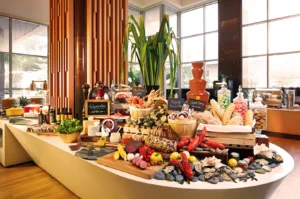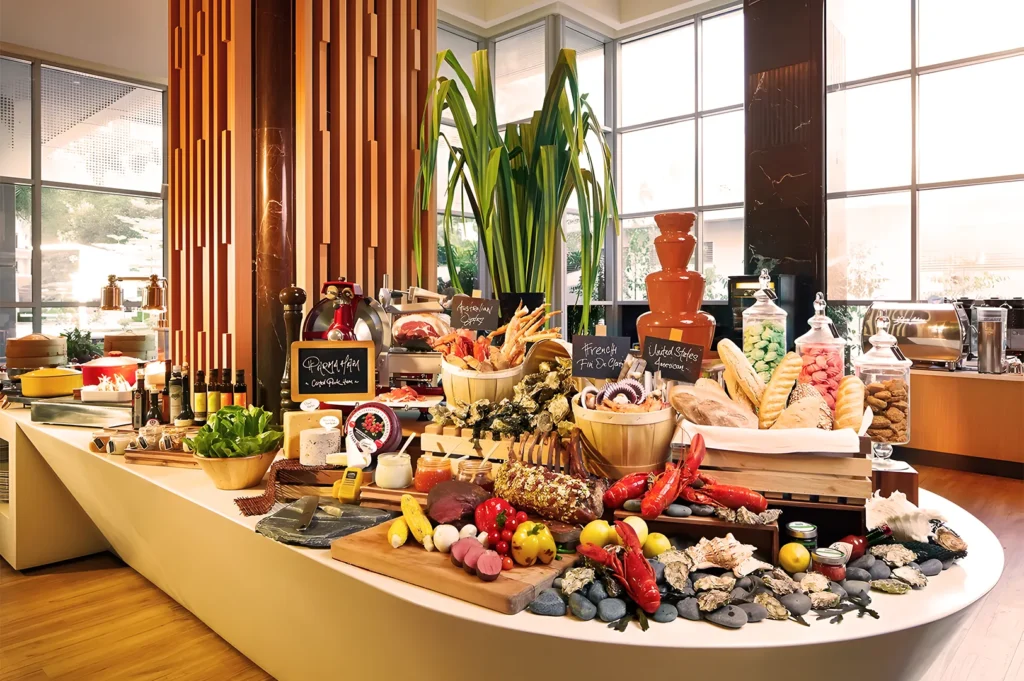
I still remember my very first Singapore buffet experience at a hotel restaurant. Walking into the dining room, I saw a mountain of golden fried rice displayed on the buffet table, and I immediately piled my own plate so high it was practically spilling over the edges. By the time I sat down and finished it, I was completely stuffed. Only then did I notice the massive seafood-on-ice counter, the wagyu beef carving station, and the endless dessert bar. I had paid over $80 just to fill up on cheap carbohydrates—a rookie mistake that still haunts me today.
Over the years, I have learned that navigating a Singapore buffet is practically a competitive sport. It is not just about eating as much as humanly possible. It is about strategy, pacing, and understanding exactly what you are paying for in such a meal.
If you are feeling anxious about your first big buffet lunch or dinner, you are definitely not alone. This guide will answer your burning questions, share common mistakes, and give you the exact game plan you need to conquer your next all you can eat feast.
What Exactly is a Buffet? Understanding the Buffet Noun and Its Origins
The word buffet has two very different meanings with very different sources. As a noun related to dining, a buffet refers to a self service meal buffet—a format where a massive variety of dishes are laid out on a buffet table or counter for diners to serve themselves. This meaning of buffet is pronounced buh fay and comes from the French word bufe, an old French word meaning a sideboard or counter where food and refreshments are displayed. This furniture piece, often a cupboard or sideboard holding china and table linen, originated in the 18th century and was used for displaying plates and food sets during meals.
The buffet noun also has a second meaning, pronounced buh fit, which is a verb meaning to strike sharply or to be struck repeatedly, such as when strong winds buffeted a house or waves buffeted a boat. This meaning derives from the Middle English word buffe, meaning a blow or puff, and is related to synonyms like blow, strike, or puff. These two meanings of buffet come from very different sources but share the same spelling. But of course in this guide we are talking about the buffet noun, the word that will get all our stomachs rumbling from sheer hunger.
In the context of food, a buffet refers to a meal set where guests or customers eat standing or seated, serving themselves from a spread of dishes laid out on tables or counters. Such a counter or buffet table may include hot and cold buffets, snack bars, sandwiches, cheeses, salads, and drinks. The buffet format is often associated with all you can eat dining, where customers pay a fixed price and can eat as much as they like within their seating time.
The History and Evolution of the Buffet: From Furniture to Food Set

The buffet noun originally referred to furniture—specifically a sideboard or cupboard used in houses during the 18th century for holding china, table linen, and displaying plates. This furniture was a symbol of wealth and hospitality, often elaborately carved and adorned. The French painter Alexandre-François Desportes immortalized such displays in his paintings, capturing the elegance of buffet furniture.
Over time, the meaning of buffet evolved to describe the meal format where food is laid out on such furniture or counters for guests to serve themselves. The buffet meal set became popular in Europe, especially in France and England, as a convenient way to serve light refreshments, drinks, and food at parties or social events. The smorgasbord, a Scandinavian variant, is a classic example of a cold buffet featuring a variety of breads, cheeses, and salads.
The word buffet entered Middle English from Old French, with word forms evolving over centuries. The concept of a self serve meal buffet gained popularity in the 18th century and has since become a staple in buffet restaurants worldwide, including the vibrant Singapore buffet scene.
Singapore Buffet: The Modern All You Can Eat Experience
In Singapore, the buffet restaurant culture is a vibrant blend of tradition and modernity. The Singapore buffet scene includes everything from casual snack bars offering sandwiches and light refreshments to luxurious hotel buffets featuring premium seafood and international cuisines.
A Singapore buffet is typically a self service meal buffet where diners carry their own plate to the buffet table or counter, selecting dishes from a diverse food set. These dishes can range from hot cooked meals to cold buffets featuring salads, cheeses, and breads. At some buffets, guests eat standing at the counter or tables, while others provide seated dining with table linen and attentive service.
The all you can eat format is especially popular in Singapore buffet restaurants, where customers pay a fixed price and enjoy unlimited servings within their meal time. This format encourages strategic dining—guests often do a reconnaissance lap around the buffet table before selecting their favorite dishes to avoid piling unwanted food on their plate and wasting it.
Common Fears and Mistakes at a Singapore Buffet: How to Eat Like a Pro
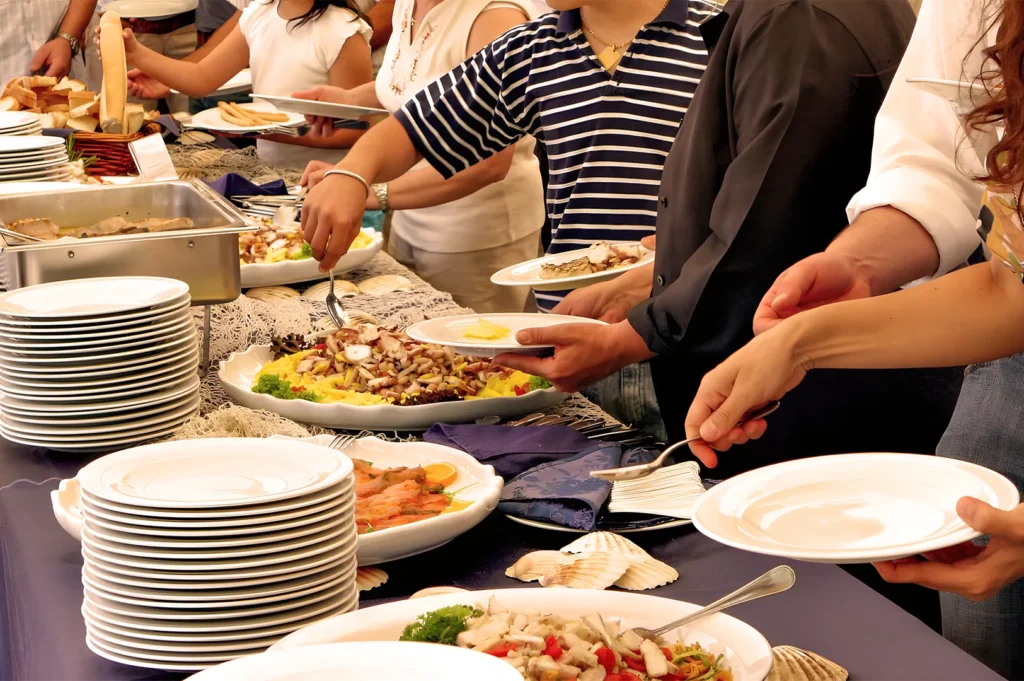
Many first-time diners at a Singapore buffet experience decision paralysis when faced with a vast buffet table and a wide variety of dishes. Common fears include not getting one’s money’s worth or feeling overwhelmed by the choices.
One common mistake is the “grab all you can” panic—piling different cuisines and dishes on one plate, mixing flavors that don’t complement each other. This often leads to food waste. Instead, it’s better to take smaller portions, taste a variety of dishes, and then commit to favorites on subsequent trips.
Another important etiquette is to always use serving utensils and never use your hands to pick food, even at a snack bar or cold buffet station. Also, when returning to the buffet, diners should use their own plate, not the dirty one from their previous round, to maintain hygiene.
Standing while eating at some buffet counters is common, especially at casual or snack bar-style buffets, but many Singapore buffet restaurants provide seated dining with elegant table linen and service.
The Strategic Approach to Enjoying a Singapore Buffet
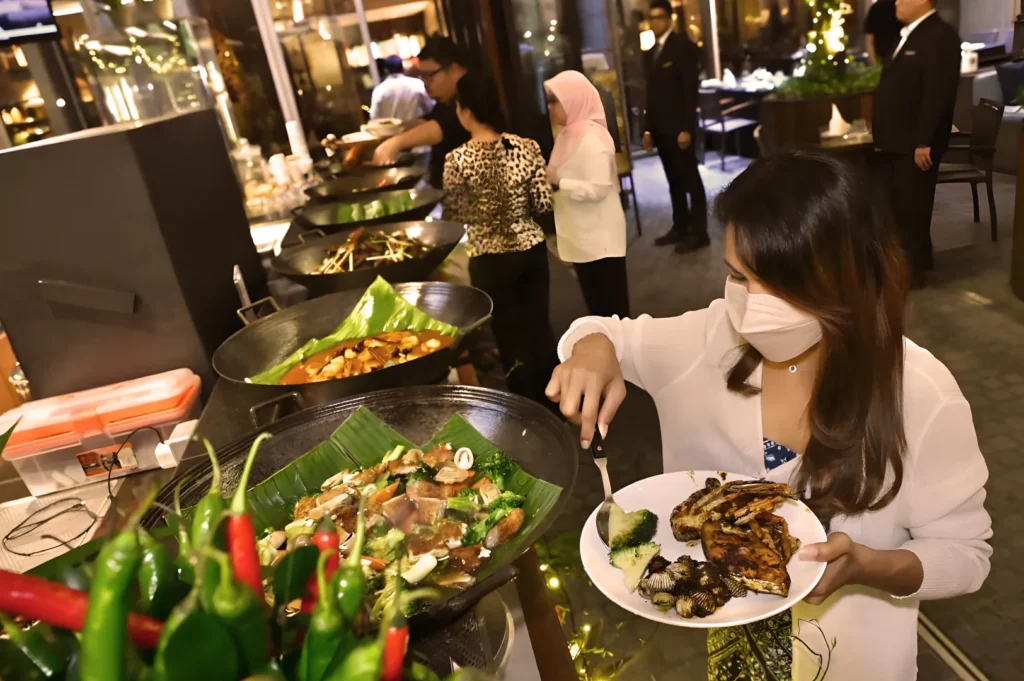
To make the most of a self serve meal buffet, especially an all you can eat format, follow these steps:
Book Ahead and Arrive Early: Popular buffet restaurants in Singapore, like Carousel or The Line, often require reservations, especially on weekends.
Do a Reconnaissance Lap: Walk around the buffet table or counters to survey the dishes, including hot and cold buffets, snack bars, and dessert stations.
Start Small and Prioritize: Take small portions of premium items like seafood, wagyu beef, or specialty salads. Balance heavy dishes with light refreshments like fresh salads or soups.
Commit to Favorites: On subsequent rounds, get larger servings of dishes you enjoyed. Avoid piling your plate with bread or pasta early on.
Mind Buffet Etiquette: Use serving utensils, don’t eat standing for too long in crowded areas, and respect other diners by not lingering at popular stations.
Pricing and Variety at Singapore Buffet Restaurants
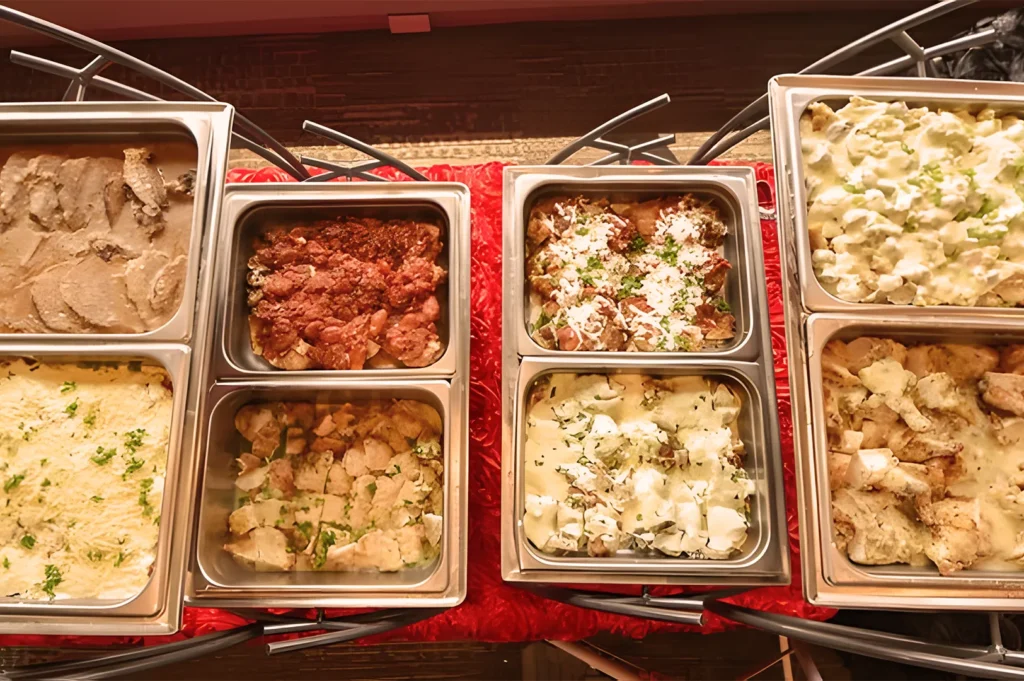
Buffet pricing in Singapore varies widely. Budget options offering casual lunch or dinner buffets with simple dishes and snack bar items range from $25 to $50++. Mid-range hotel dining buffets offering a meal set with fresh seafood, carving stations, and international dishes typically cost $60 to $98++. Premium and Sunday brunch buffets featuring champagne, lobsters, and theatrical cooking stations can exceed $100++.
Singapore buffet restaurants often cater to diverse dietary needs, including halal-certified options. The variety and abundance at these buffets reflect the city’s multicultural food culture.
The Word Forms and Linguistic Trivia of Buffet
The word buffet exists as both noun and verb with distinct pronunciations and meanings. The noun, pronounced buh fay, relates to the meal format and furniture, while the verb, pronounced buh fit, means to strike or batter, as in strong winds buffeting a house or waves buffeting a ship.
The buffet noun, in the dining sense, originated from the French word bufe and the old French word buffeter, relating to furniture like sideboards and cupboards used for holding china, table linen, and displaying plates. The verb form comes from Middle English buffeten, meaning to strike sharply or shake, as with a fist or strong winds.
Understanding these word forms enriches the appreciation of the buffet concept beyond just food, connecting it to history, language, and culture.
Final Thoughts: Embrace the Buffet Experience in Singapore
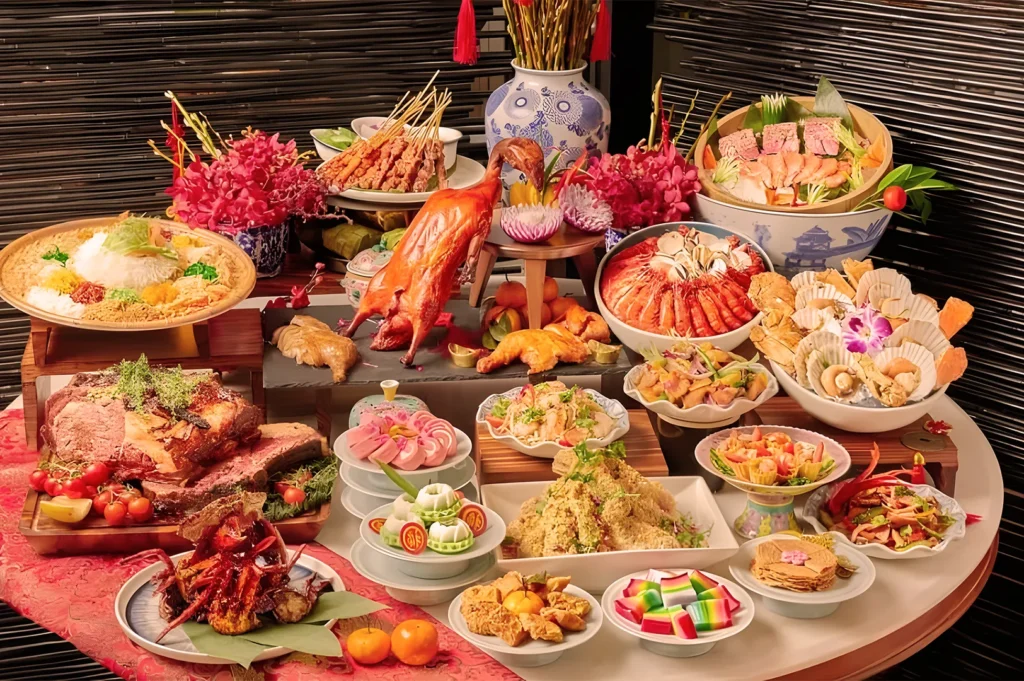
A Singapore buffet is much more than just a meal. It is a celebration of variety, a social event, and sometimes a challenge to one’s strategic dining skills. Whether you are enjoying a casual snack bar buffet or a luxurious all you can eat dinner with table linen and theatrical food stations, the buffet format offers an unparalleled dining adventure.
Remember to pace yourself, respect buffet etiquette, and most importantly, enjoy the incredible array of dishes and refreshments on offer. With this guide, you are ready to confidently navigate any Singapore buffet and make the most of your meal set.
If you want to discover the best buffet restaurants in Singapore and detailed reviews, be sure to check out SG Dining Guide. Happy eating!