We sit at heritage eateries and hawker centres every single day, observing the shifting tides of our local dining scene. Over the past year, we have noticed a recurring complaint among diners. The price of our beloved traditional dishes is steadily creeping up. A bowl of slow-cooked beef rendang or a meticulously wrapped rice dumpling costs noticeably more today than it did just a few years ago. Many consumers are quick to blame greedy business owners. However, the reality behind these price hikes is far more complicated.
The primary factor driving these prices is relentless global inflation. Traditional recipes rely heavily on highly specific, fresh ingredients. You cannot replicate the depth of a proper laksa broth using cheap, artificial powders. When the cost of fresh seafood, quality spices, and premium meat cuts skyrockets, the vendors feel the financial impact immediately. Furthermore, we are facing genuine ingredient scarcity. Certain regional herbs and sustainable local catches are becoming much harder to source, driving their market value even higher. To maintain the authentic flavors we all demand, cooks simply cannot compromise on their supply chains.
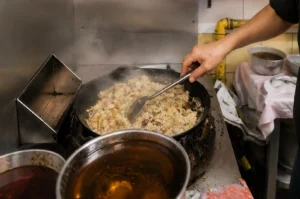
We also need to talk about the sheer physical labor involved. Authentic cooking is notoriously time-consuming. Making a proper rempah from scratch or simmering a master stock requires hours of standing over a hot stove. In the past, this labor was cheap. Today, finding skilled workers willing to endure these grueling kitchen conditions is incredibly difficult. Stall owners and restaurateurs are forced to offer higher wages to retain their cooking talent, and those rising labor costs are inevitably passed down to the final menu price.
Finally, we must address our own changing consumer habits. We willingly pay eight dollars for an iced latte brewed in five minutes, yet we aggressively complain when a hawker raises the price of a complex, hand-crafted bowl of noodles by fifty cents. This double standard places immense pressure on traditional cooks. They are trapped in a difficult position; they must absorb the rising costs of doing business while facing heavy criticism from price-sensitive locals.
If we truly value our food heritage, we need to adjust our expectations. The true cost of preparing these meals has fundamentally changed. When we pay a little extra for a traditional dish, we are not just buying a meal. We are funding the survival of our culinary history. We are ensuring that the intricate recipes passed down through generations do not disappear in favor of cheap, mass-produced fast food.
If you found this reflection insightful and want to explore more about our evolving local food scene, please check out SG Dining Guide for more similar articles to read.