There is a different side to Singapore’s dining culture that only appears when the pace of the day begins to soften.
Not during the sharp rush of lunchtime queues or the hurried dinners between errands, but in the quieter hours that arrive after. The late afternoons where café tables stay occupied a little longer. The evenings when conversations drift slowly between courses. The moments when nobody seems particularly concerned about the time.
In a city known for movement, these slower meals feel almost unusual at first.
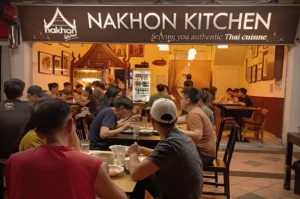
From https://sgfoodchronicles.com/, we know that Singapore often eats efficiently. Hawker centres fill and empty in quick waves. Office workers finish lunch with practiced speed before disappearing back into the rhythm of the workday. Even cafés carry the steady sound of takeaway cups leaving through the door.
Yet when no one is in a hurry, the city begins to eat differently.
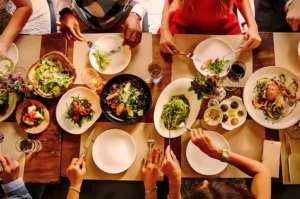
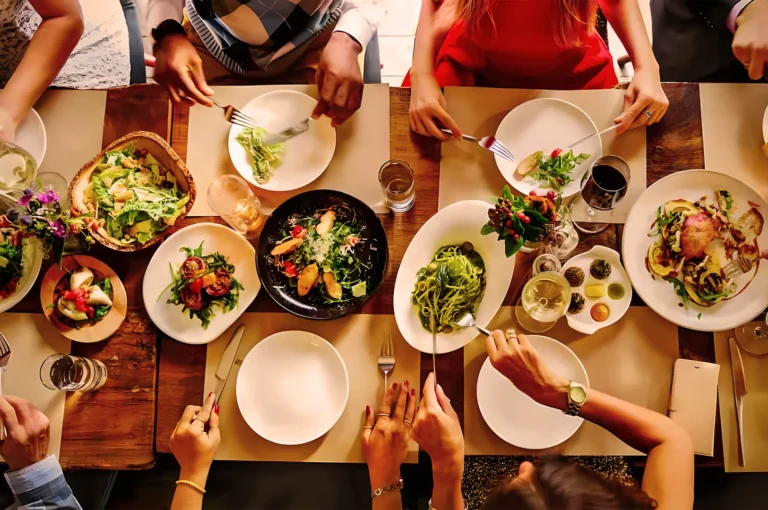
The table becomes less about necessity and more about presence. Plates arrive gradually. Drinks are ordered without much thought of the clock. Conversations settle comfortably into the spaces between bites.
Somewhere in Tiong Bahru, two friends linger over coffee long after the cups have cooled. Along East Coast, diners sit beside the water as evening slowly folds into night. In neighbourhood cafés tucked beneath HDB blocks, slices of cake disappear one careful forkful at a time.
The meal stretches gently around them.
Singapore’s food culture has always been shaped by movement, but even within that rhythm, there remains space for slower rituals. The National Heritage Board’s documentation of Singapore’s hawker culture reflects how communal dining continues to shape everyday social life across the city. Hawker centres were never only about convenience; they also became places where people gathered, lingered, and returned to familiar faces over time.
This quieter side of dining often carries its own form of nostalgia as well. Certain dishes, café rituals, and familiar tables have a way of returning people to earlier moments in life, something explored further in Food as Memory: Nostalgic Flavours.
Studies on communal dining have also shown how shared meals encourage conversation and emotional closeness, turning ordinary dining spaces into places of comfort rather than simple transactions. Even cafés themselves have increasingly become social spaces where people gather without urgency, a shift often explored in publications like Monocle and other city culture journals.
And perhaps that is the quiet beauty of eating slowly in Singapore.
The city does not stop moving. Trains still arrive. Streets remain busy. Reservations continue to fill. But somewhere between the lunch crowds and late-night suppers, there are still tables where time loosens its grip, even if only briefly.
A few more minutes over dessert. One final cup of coffee. Conversations stretching comfortably into the evening air.
No rush to leave.
Just the city, eating slowly for a while.