I used to think hawker culture was something fixed.
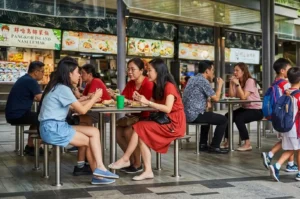
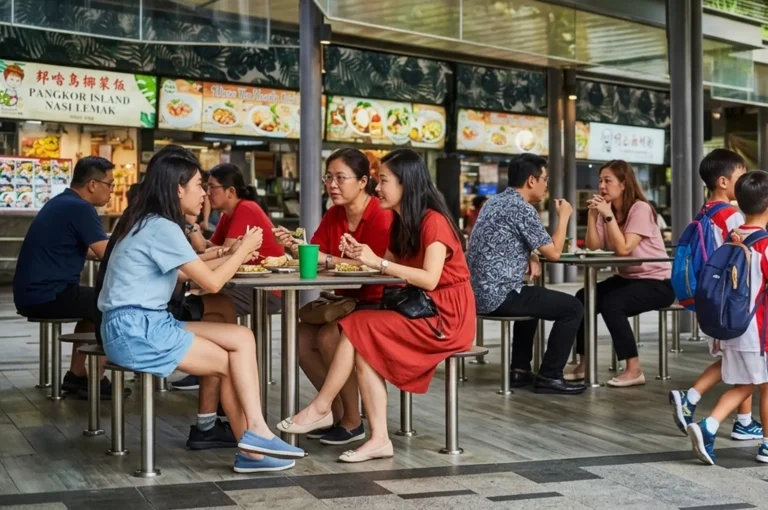
To me, it meant the same familiar stalls, the same aunties and uncles calling out orders, the same plastic trays, the same kopi cups, and the same queues that told you exactly where the good food was. It felt like one of those things in Singapore that would always remain the same, even as the city kept changing around it.
But the more I eat around Singapore, the more I realise hawker culture has never really stood still. It has always been changing; we are only noticing it more now.
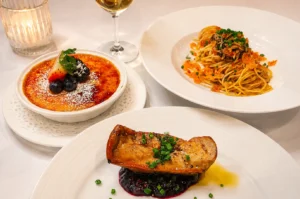
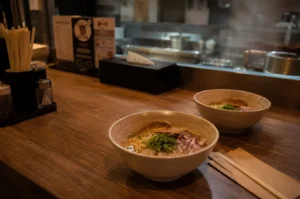
Today, a hawker centre can mean many things. It can still be a place where someone orders chicken rice for under five dollars before heading back to work. It can also be where a young hawker experiments with handmade pasta, Japanese rice bowls, or modern desserts from a small stall. Some people see this as a shift away from tradition. I see it as part of the same story.
Hawker culture has always been shaped by the people who cook and the people who eat. Many of our most familiar dishes were once adapted from different communities, working conditions, family recipes, and changing tastes. What feels traditional today was once practical, new, or even unfamiliar.
Still, I understand why some people worry.
There is something painful about seeing old stalls close without successors. There is concern when prices rise, when recipes change, or when younger diners seem more drawn to café-style food than a bowl of fishball noodles. There is also the question of whether the next generation can afford to become hawkers when rent, ingredients, and labour costs keep increasing.
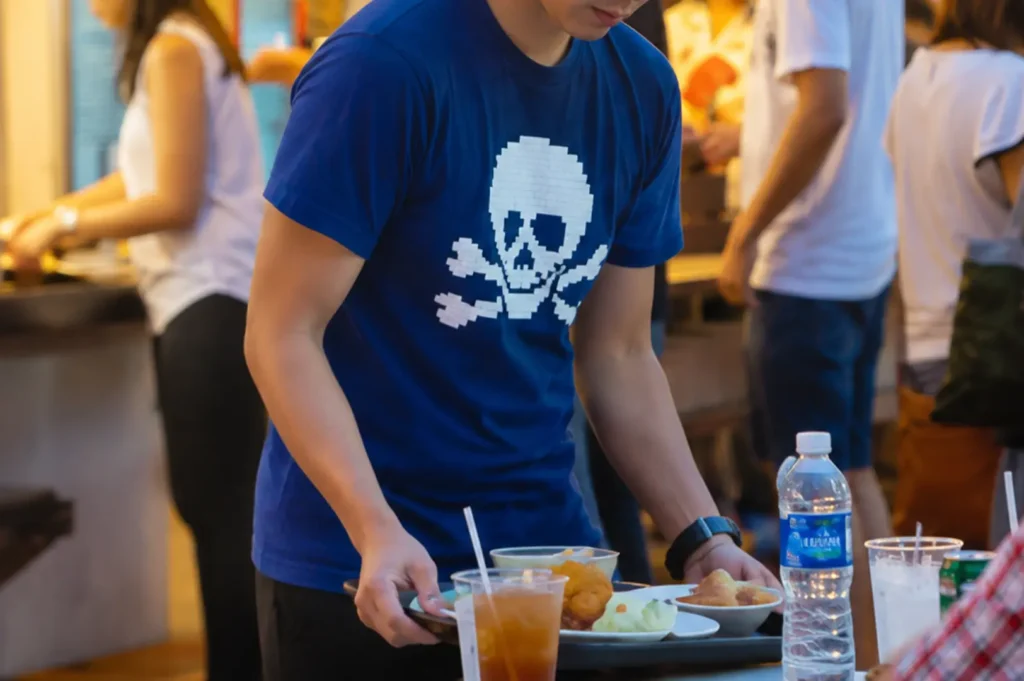
These worries are real. Hawker culture is not just about food; it is about access. It is about the ability to eat well without spending too much. It is about shared tables, quick meals, familiar faces, and the comfort of knowing that good food can still be part of everyday life.
At the same time, I do not think change means the culture is disappearing.
A young hawker using social media to promote a stall is not rejecting tradition. A second-generation owner adjusting opening hours is not destroying heritage. A stall introducing new dishes is not always a loss. Sometimes**, it is survival**. Sometimes, it is a way of making the work possible for another decade.
What matters is whether the heart of hawker culture remains. Are the stalls still rooted in skill, effort, and community? Are they still places where people from different backgrounds eat side by side? Are we still supporting the people behind the food, not just chasing the most famous names online?
For me, hawker culture is changing because Singapore is changing. But it is also evolving because people are still choosing to keep it alive in whatever way they can.
Maybe the question is not whether hawker culture is changing or evolving. Maybe it is whether we are paying enough attention to the people carrying it forward.
In the end, hawker culture will only stay meaningful if we continue to show up for it; visit SG Dining Guide for more stories, guides, and local dining finds across Singapore by clicking here: https://sgdiningguide.com.sg/.