I used to hear people ask this question and think it was just another food debate.
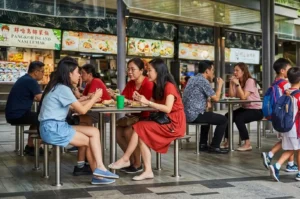
Is there really such a thing as Singaporean cuisine, or are we just eating Chinese, Malay, Indian, Peranakan, Eurasian, and Western food in the same city? It sounds simple at first. Then you sit down at a hawker centre with chicken rice, nasi lemak, rojak, fish head curry, mee siam, and kaya toast around you, and the answer becomes less tidy.
For me, Singaporean cuisine exists, but not in the way some people expect.
It is not one clean category. It is not a single cooking style, a fixed set of ingredients, or a cuisine that can be explained in one sentence. Singaporean food has always been built from movement. People came here, brought what they knew, adjusted to what they had, cooked for work, family, trade, and survival. Over time, those dishes changed because Singapore changed.
That is why the question feels slightly unfair. If we only define cuisine by purity, then Singapore will always look confusing. But food here was never about purity. It was about adaptation.
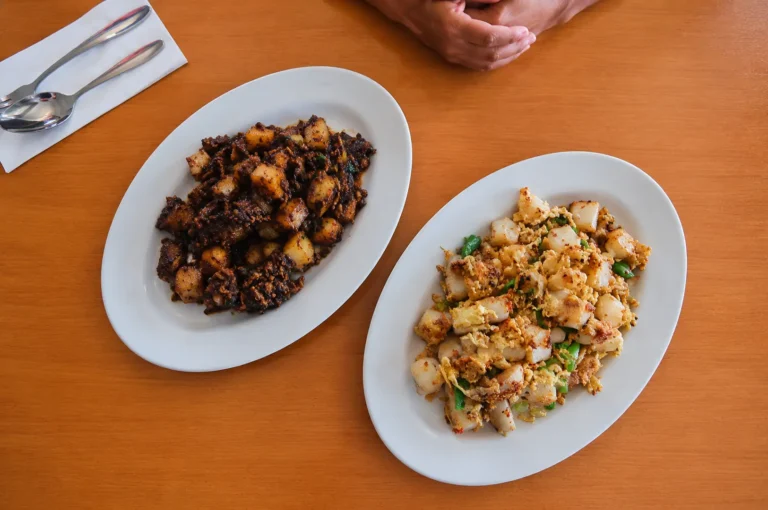
Take chicken rice. It has roots in Hainanese cooking, but the version many of us know today feels completely local. The rice, chilli, soup, poached chicken, roasted chicken, and the way it is served at hawker centres or coffee shops all belong to the rhythm of Singapore. The same can be said for laksa, prata, bak kut teh, satay, char kway teow, and chilli crab. Their stories may stretch across borders, but the way we eat them here has become part of our everyday identity.
I think that is what makes Singaporean cuisine real. It is not about where a dish first came from. It is about what happened to it here.
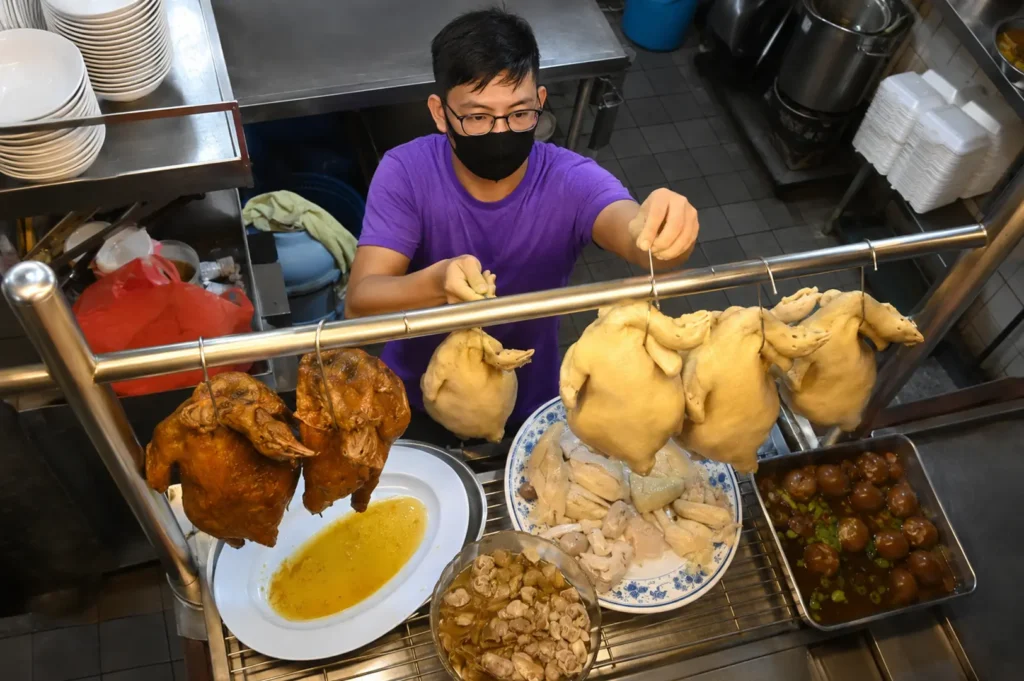
A bowl of mee rebus at a neighbourhood stall is not just a borrowed dish. A plate of Hokkien mee cooked in the same wok for years is not just a regional import. A kaya toast breakfast with kopi is not just something old people like. These foods carry habits, timings, memories, and shared understanding. We know what to order, how to queue, which chilli matters, and which stall auntie will scold you if you take too long.
That kind of food culture does not happen by accident.
Still, I understand why some people hesitate to call it Singaporean cuisine. Our food is tied to many communities, and those roots should not be erased. Calling everything Singaporean without acknowledging its origins can flatten the story. But refusing to call it Singaporean at all also misses what generations of cooks and diners have created here.
Maybe Singaporean cuisine is not a single trunk. Maybe it is a table.
A crowded one, with dishes from different histories, languages, and kitchens sitting together. Some recipes stay close to their roots. Some become something else. Some are still changing now. That does not make the cuisine less real. It makes it honest.
In the end, I believe Singaporean cuisine exists because we live it every day; visit SG Dining Guide for more local food stories, dining guides, and honest perspectives on what makes Singapore’s food scene worth exploring.