The first time I tried to order coffee at a proper kopitiam, a traditional coffee shop, I said “one coffee with milk, please.” The auntie behind the drinks stall gave me a look that I still remember to this day. It was not unkind, but it was the kind of look that said, “this boy clearly grew up somewhere else.” She paused, asked “kopi or kopi C?”, and I froze. I had no idea there was a difference. That small moment of panic sent me down a years-long rabbit hole of learning how Singapore actually drinks its coffee, and I want to save you from that same flustered shuffle at the counter.
Here is what you will learn in this guide: what a kopitiam actually is, how it differs from a café, why kopi and café coffee are not the same thing, how to order without embarrassing yourself, and how to choose between the two depending on your mood, budget, and time. I am not here to tell you one is better. They are both deeply Singaporean, rooted in the city’s rich culture and history. They just speak different languages.
What Kopitiam Singapore Meaning Reveals About Coffee Shops and Their Roots
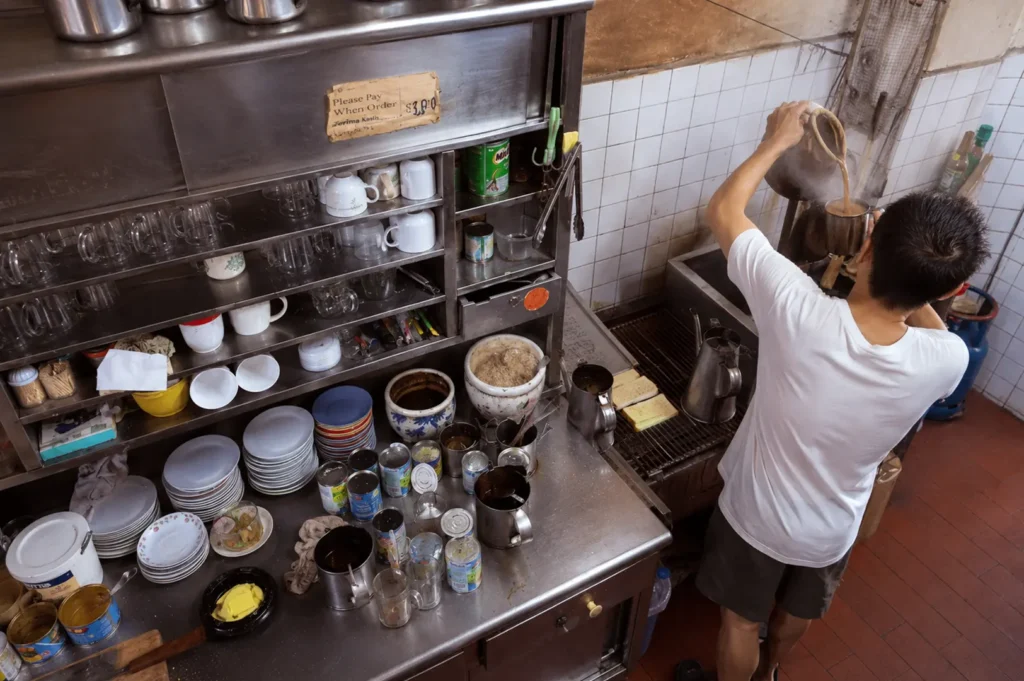
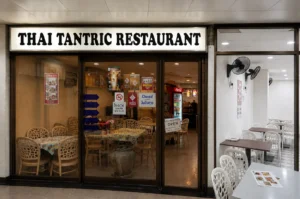
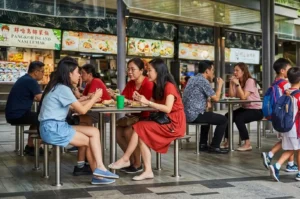
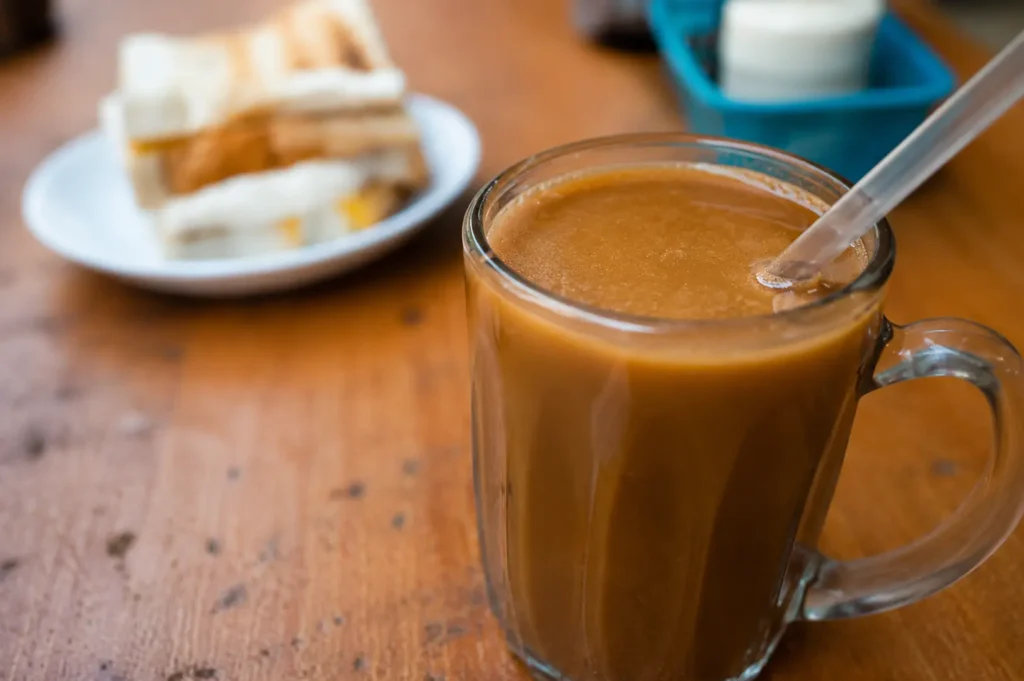
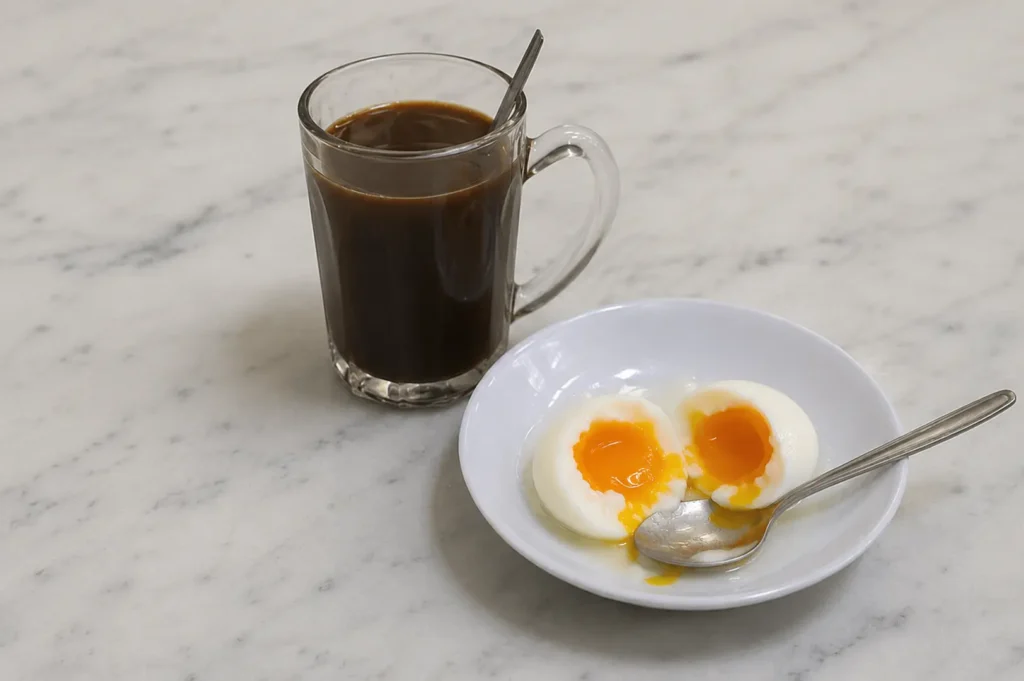
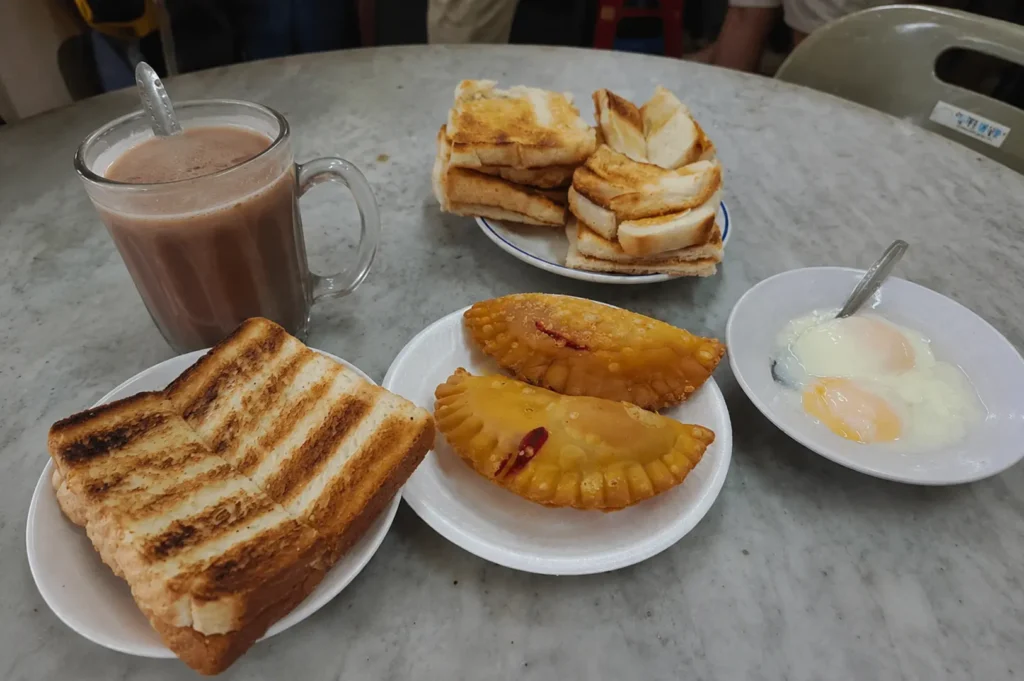
A kopitiam is a traditional local coffee shop found throughout Singapore, often an open air establishment located in residential areas or hawker centres. The word itself is a mash-up: kopi (coffee in Malay) and tiam (Hokkien for shop). You will find kopi, teh (tea), kaya toast, two soft boiled eggs, economical rice, noodles, prata, and often a zi char stall tucked in the corner. It is fast, affordable, and built around daily routine rather than leisure. People go there to eat, drink, and get on with their day.
The kopi itself is the heart of it. Singapore kopi is usually made with dark roasted coffee beans, brewed through a cloth “sock” filter, and served with condensed milk or evaporated milk depending on what you order. It tends to be stronger, darker, and sweeter than what you might expect from a café. The beans lean toward robusta or local-style blends, and the whole thing is designed for speed and consistency. This style is reminiscent of the kopi culture found in Malaysia, sharing roots with Singapore’s own coffee heritage.
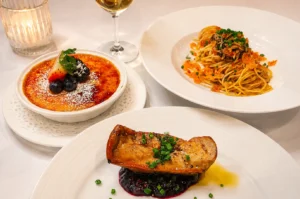
Singapore’s café, on the other hand, is a more modern space. The focus shifts to espresso-based drinks, specialty coffee beans, brunch plates, pastries, interior design, Wi-Fi, and a slower sit-down experience. Singapore’s third-wave café scene cares about bean origin, roast profile, acidity, body, and tasting notes. You order things like flat whites, long blacks, cold brew, or pour-overs, and the coffee is often described by where it came from rather than how sweet it is.
Here is the honest truth I have landed on after years of doing both: kopi from a kopitiam and café coffee are not really the same product. They use different beans, different methods, different ordering language, and different expectations. Traditional kopi values body, aroma, familiarity, and sweetness control. Specialty café coffee values clarity, origin, and brewing precision. Neither is “lower quality.” They are simply judged by completely different rulebooks.
The Fears and Misconceptions Holding You Back from Ordering Kopi and Soft Boiled Eggs
Let me address the big one first, because it nearly broke me as a beginner.
“I don’t know how to order kopi with condensed milk or evaporated milk”
This is the number one fear, and I get it. The system looks like a secret code, part of the vernacular that stall owners use daily. But once you break it down, it is genuinely logical. Here are the building blocks:
- Kopi: coffee with condensed milk
- Kopi O: black coffee with sugar
- Kopi C: coffee with evaporated milk and sugar
- Kosong: no sugar
- Siew dai: less sweet
- Gah dai: sweeter
- Gao: stronger
- Po: weaker
- Peng: iced
So “kopi O kosong peng” means iced black coffee with no sugar. My go-to recommendation for beginners is kopi C siew dai, which is coffee with evaporated milk and less sugar. It is balanced, not too sweet, and easy to say clearly.
Pro tip: Decide your order before you reach the counter, then say it in one short phrase. Queues move fast during the morning rush, and stall owners appreciate clarity far more than apologies. “Kopi C siew dai” is all you need to say.
“Will I look rude if I get it wrong ordering soft boiled eggs or toast?”
You will not. Most stall owners have served thousands of first-timers and tourists. The only real misstep is holding up the queue with a long string of questions during peak hours. Keep it simple, speak up, and if you genuinely do not know, just say “kaya toast with two soft boiled eggs.” Nobody is keeping score.
“Can I bring my laptop to this open air establishment?”
This one trips people up. At a kopitiam, the honest answer is no, not comfortably. Kopitiams are for eating, drinking, and moving along so the next person can have your seat. Cafés are where laptops belong, though even some smaller cafés limit laptop use during busy brunch hours. I learned this the awkward way (more on that below).
“Aren’t kopitiams just cheap cafés?”
No, and this is the misconception I want to bust hardest. A kopitiam is not a budget version of a café. It has its own ordering language, food culture, seating rhythm, and social function. It is a neighbourhood fixture where regulars have fixed orders and the owner knows them by heart. A café is built around leisure and ambience. A kopitiam is built around routine. Different purpose entirely.
How to Choose Between Kopitiam and Café for Breakfast, Soft Boiled Eggs, and More
When friends ask me where to go, I tell them it comes down to four things: mood, budget, time, and purpose. Here is how I’d break it down.
| Choose a kopitiam when you want: | Choose a café when you want: |
|---|---|
| 1. A quick, affordable meal featuring traditional dishes like kaya toast and two soft boiled eggs | 1. Espresso-based or specialty coffee made from carefully selected coffee beans |
| 2. Local breakfast staples such as kopi, teh, or kopi o with condensed milk or evaporated milk | 2. Brunch plates, pastries, or cakes in air-conditioned, designed spaces |
| 3. Everyday dishes such as noodles, rice, prata, or zi char served by friendly stall owners | 3. A slower meal with friends or family, complete with Wi-Fi and power outlets |
| 4. A genuine heartland experience in an open air establishment or hawker centre | 4. A place to chat, read, or work in a curated environment |
| 5. A casual spot with no service charge and no dress expectations, often found in residential areas | 5. A more curated, designed environment focused on flavour clarity and bean origin |
If you are short on time and want to spend under ten dollars, a kopitiam wins every time. If you want to linger for two hours over a flat white and a plate of smashed avocado, that is café territory. Simple as that.
The Practical Stuff: Prices, Timing, and Etiquette at Kopitiams and Coffee Shops
What you will actually spend
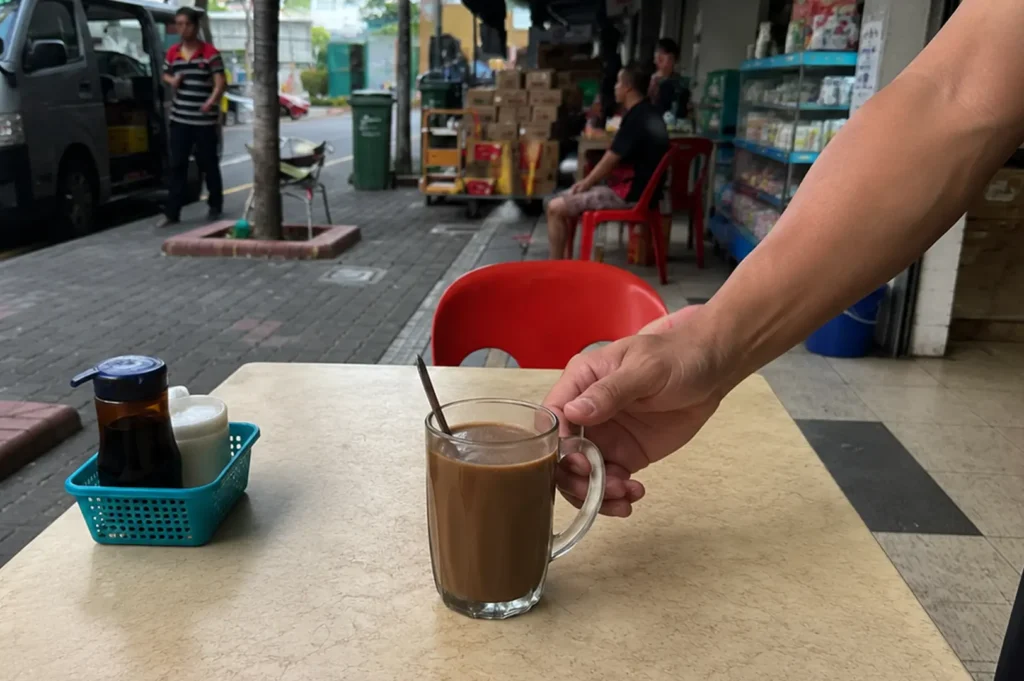
At most kopitiams, expect to pay around SGD 1.20 to 2.50 for a kopi or teh, slightly more (SGD 1.80 to 3.20) if you want it iced. A kaya toast set with two soft boiled eggs runs about SGD 4 to 6, a noodle or rice meal around SGD 4 to 8, and zi char dishes from SGD 8 to 20 depending on portion and ingredients.
At a café, a single espresso is around SGD 4 to 5, a flat white or latte SGD 6 to 8, and cold brew or filter coffee SGD 7 to 12. Brunch mains sit around SGD 15 to 28, with cakes and pastries SGD 5 to 12. Premium specialty cups can climb much higher, but you will know when you are ordering one.
Best times to go
For kopitiams, I love the 7am to 10am window for traditional breakfast, or the quieter 2pm to 5pm stretch for a relaxed kopi. Avoid weekday lunch peak and the weekend breakfast rush, and do not turn up late if you want popular items, because some stalls genuinely sell out.
For cafés, weekday mornings are calmest, and weekday afternoons are best if you want to work. On weekends, get there before 11am or you will hit the brunch queue.
What to bring and wear
For a kopitiam, bring cash (though many now take PayNow or QR), some tissues, and patience during peak hours. Casual clothes and comfortable footwear are all you need. For a café, bring a card or mobile payment, and honestly, a light jacket, because the air-conditioning can be fierce. If you are planning to work, bring a power bank, since not every café has accessible sockets.
The etiquette that actually matters
Tray return is not optional. It is expected (and enforced) across hawker centres, coffeeshops, and food courts in Singapore. Once you finish, clear your tray and crockery. In a kopitiam during peak hours, tables are shared community resources, so do not expect a private table to yourself. You may also see tissue packets placed on seats, which is the local way of reserving a spot. It is called choping.
Insider knowledge: If you are unsure whether a stall is any good, watch the locals. A steady queue of regular Singaporeans is the most reliable signal in this city. We trust a long line far more than any review, because people are voting with their time.
How Tea Rooms Differ from Kopitiams and Cafés
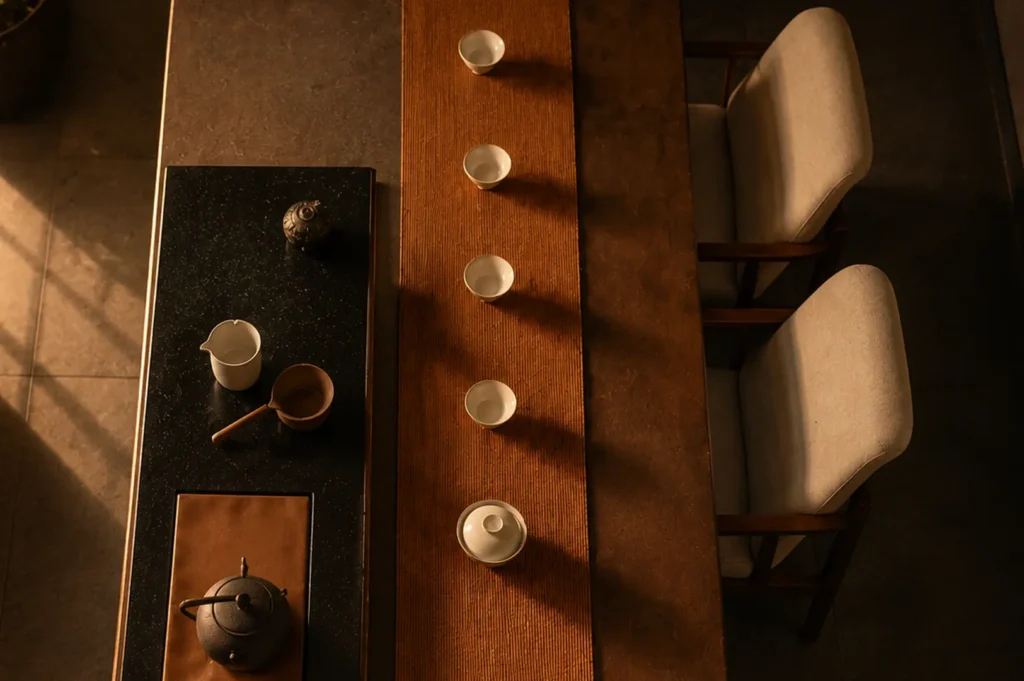
Tea rooms in Singapore offer a distinct experience that stands apart from both kopitiams and cafés. Traditionally, tea rooms focus on serving a variety of teas alongside light snacks or pastries, often in a more relaxed and intimate setting. Unlike kopitiams, which are bustling communal spaces centered around kopi and local dishes, tea rooms emphasize a quieter atmosphere ideal for leisurely tea drinking and conversation.
Compared to cafés, tea rooms generally do not prioritize specialty coffee or elaborate brunch menus but instead highlight a curated selection of teas, sometimes influenced by Chinese or British traditions. This makes tea rooms a cool, calm alternative for those seeking a different kind of beverage experience in the country’s diverse food landscape.
Learn more about the various authentic Tea Rooms in Singapore you should definitely try out.
Final Thoughts: The Culture and History Behind Kopitiam and Café Coffee in Singapore
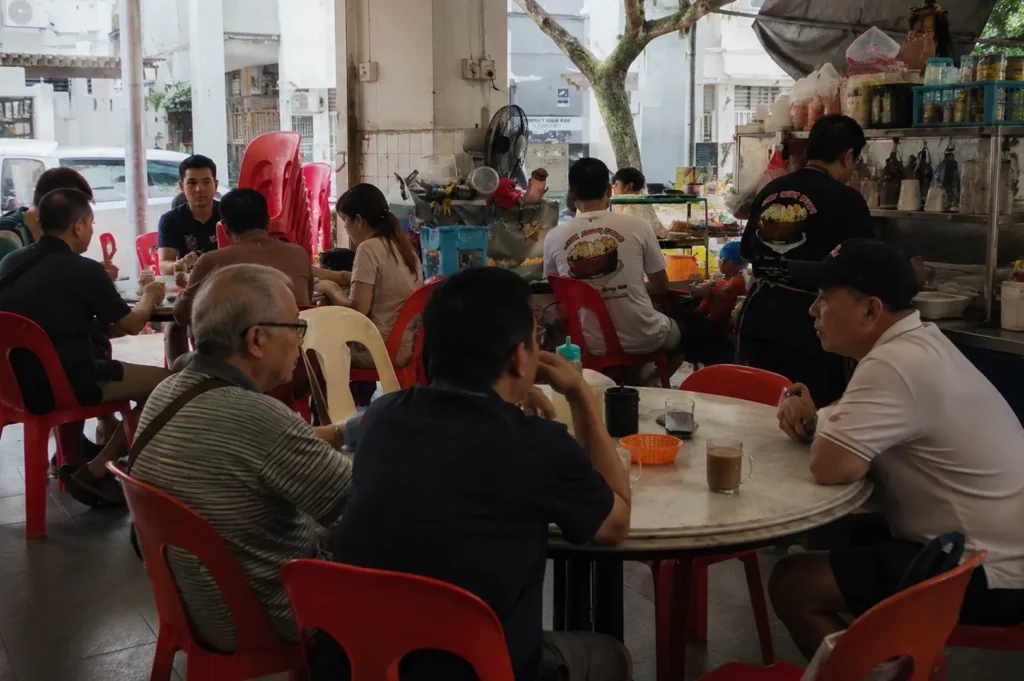
The real lesson I have taken from all this is that you do not have to pick a side. Kopitiams and cafés are not rivals. They are two different expressions of how Singapore eats and drinks, one rooted in everyday routine and migrant heritage, the other in newer, lifestyle-driven habits. Traditional kopitiams have changed, but they have not vanished. Modernised brands like Killiney Kopitiam, Tong Ah Eating House, Ya Kun, Toast Box, Fun Toast, and Heavenly Wang keep that toast-and-kopi tradition alive and accessible, even as the specialty café scene flourishes alongside it.
My honest advice: learn your basic kopi terms before your next kopitiam visit, respect the tray return rule, and pick your venue based on what you actually need that day. Quick and cheap? Kopitiam. Slow and curated? Café.
Both will treat you well once you know how to read them.
If you enjoyed this guide and want more honest, practical takes on where and how to eat across the island, head over to SG Dining Guide for more articles like this one. Your next great meal is closer than you think.