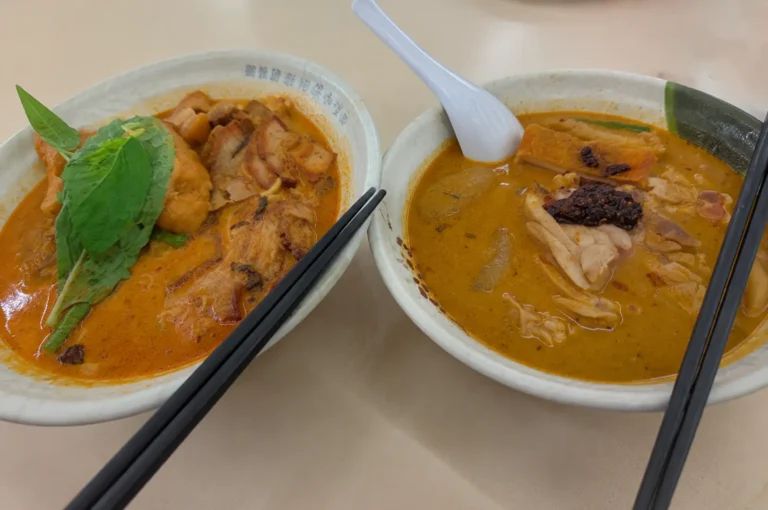
Singaporeans are always searching for comfort food.
It explains why we queue for a hot bowl of noodles on a rainy afternoon, why supper spots remain busy long after midnight, and why certain dishes become part of our routines rather than occasional treats. Comfort food occupies a special place in our dining culture because it offers more than satisfaction. It provides familiarity, warmth, and a sense of relief from the pace of everyday life.
Yet comfort food often comes with a trade-off. The dishes that make us feel good can sometimes leave us feeling overly full, sluggish, or weighed down afterward. That is why I believe soup curry deserves far more attention in Singapore than it currently receives.
While it may not yet enjoy the same recognition as ramen, sushi, or Japanese curry rice, soup curry offers something that feels surprisingly aligned with how many Singaporeans want to eat today. It delivers comfort without heaviness, richness without excess, and warmth without sacrificing freshness.
One of the reasons soup curry stands out is its emphasis on broth depth over thickness. Traditional Japanese curry is known for its rich, dense texture, but soup curry takes a different approach. Instead of relying on a thick sauce, it builds flavour through a carefully prepared broth infused with spices, vegetables, and slow-cooked ingredients. The result is a dish that feels substantial while remaining light enough to enjoy even in Singapore’s tropical climate.
This balance is becoming increasingly important. Many diners today want meals that are satisfying but not overwhelming. They are looking for dishes that nourish rather than simply fill. Soup curry manages to achieve that balance in a way few comfort foods can.
Another reason it feels so relevant is the role vegetables play within the dish. In many meals, vegetables often feel like supporting players, included out of obligation rather than celebration. Soup curry turns that idea on its head. Vegetables are not hidden beneath thick sauces. Instead, they are presented proudly, often as some of the most important components of the meal. Large pieces of pumpkin, carrots, eggplant, broccoli, mushrooms, and other vegetables are often given as much attention as the protein itself. They are not side characters sitting quietly on the edge of the plate. They become an essential part of the experience, contributing flavour, texture, and colour to every bowl. For a city increasingly interested in balanced eating, that approach feels refreshing. It creates a meal that is visually inviting while offering genuine nutritional value, without making diners feel as though they are sacrificing indulgence.
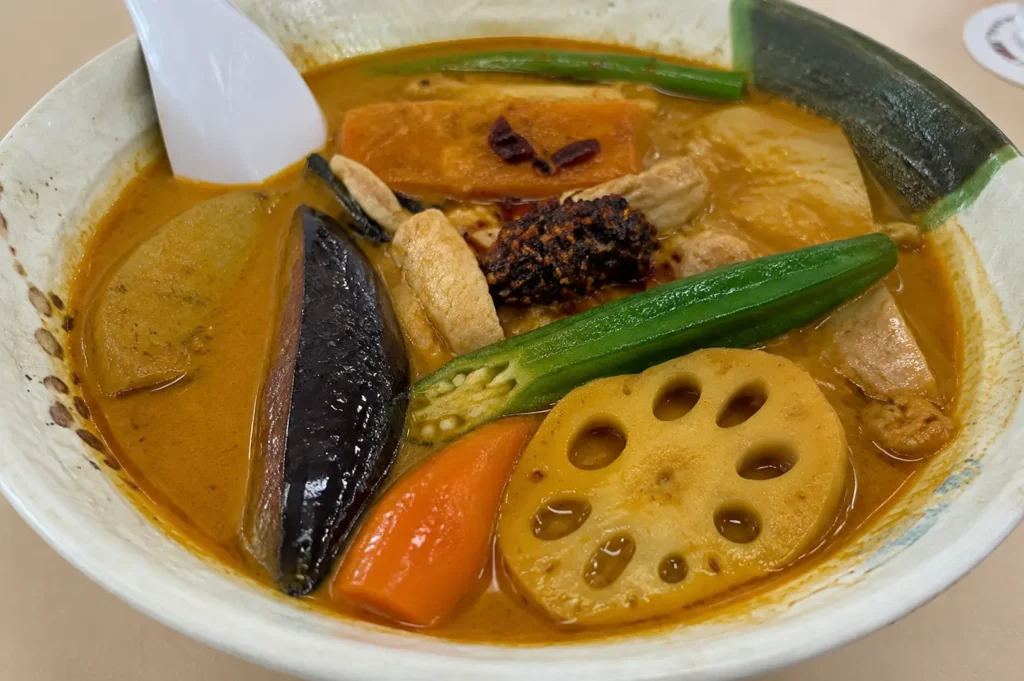
At its heart, it is a dish that feels deeply connected to family warmth. There is something inherently comforting about sitting down to a steaming bowl filled with vegetables, tender meat, and fragrant broth. It resembles the kind of meal many people associate with home cooking; food prepared with patience, meant to be enjoyed slowly rather than rushed.
That sense of warmth becomes even more meaningful in today’s environment, where many meals are squeezed between meetings, errands, and packed schedules. Soup curry encourages a different pace. It invites diners to pause for a moment and simply enjoy being present.
Additionally, there is also an element of Japanese escapism that contributes to its appeal. Singaporeans have long embraced Japanese food, culture, and travel experiences. Even for those who cannot immediately visit Japan, certain dishes have a remarkable ability to transport us mentally to another place. Soup curry carries that quality effortlessly. Originating from Hokkaido, a region known for its dramatic seasons and colder climate, the dish embodies a kind of seasonal comfort that feels increasingly attractive in a fast-moving urban environment. A bowl of soup curry can evoke images of quiet streets, cool weather, and leisurely meals, offering a brief escape from the demands of everyday life.
Perhaps that is why soup curry feels like a natural fit for Singapore. It reflects many of the things modern diners are seeking: flavour without excess, vegetables that play a meaningful role, comfort that does not feel heavy, and a dining experience that satisfies both physical and emotional needs.
In a food culture that is constantly embracing new ideas while remaining deeply connected to comfort, soup curry may not be the loudest trend on the table. It does not need to be (though I hope it becomes more popular and reach Singapore in the near future).
Sometimes the dishes that resonate most are the ones that quietly give us exactly what we have been craving all along.
For more perspectives on dining trends, comfort foods, and culinary discoveries across Singapore, click here visit SG Dining Guide.