When people talk about preserving hawker culture in Singapore, the conversation often starts with food.
The famous chicken rice stalls. The generations-old noodle vendors. The affordable meals that have fed millions of residents over the decades.
But I do not think Singaporeans are afraid of losing hawker culture simply because of the food.
What many of us fear losing is something much harder to replace.
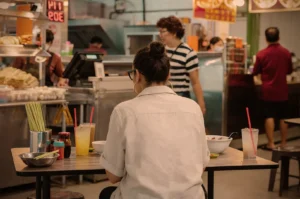
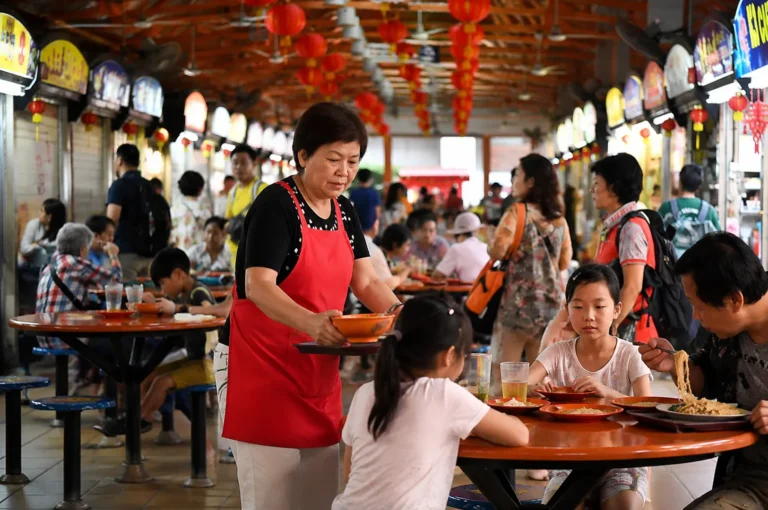
Hawker centres are among the few places in Singapore where almost everyone still gathers together. Students, office workers, retirees, tourists, and families share the same tables and queue for the same stalls. In a city that continues to grow taller, faster, and more digital, these shared spaces feel increasingly rare.
Most Singaporeans have memories connected to hawker centres. They are woven into everyday life. Some remember weekend breakfasts with grandparents. Others remember late-night suppers after school events or meals shared with friends during difficult times. The dishes matter, but often it is the people and moments attached to those dishes that stay with us.
That emotional connection explains why conversations about the future of hawker culture often feel personal.
When a well-known hawker retires without a successor, many people react with genuine sadness. It is not only because a favourite dish might disappear. It feels like a small piece of Singapore’s collective memory is disappearing as well.
The concern has become more noticeable in recent years. Younger Singaporeans have more career options than previous generations. Running a hawker stall requires long hours, physical labour, and rising operating costs. While there are new hawkers entering the trade, many observers wonder whether enough will continue carrying the tradition forward.
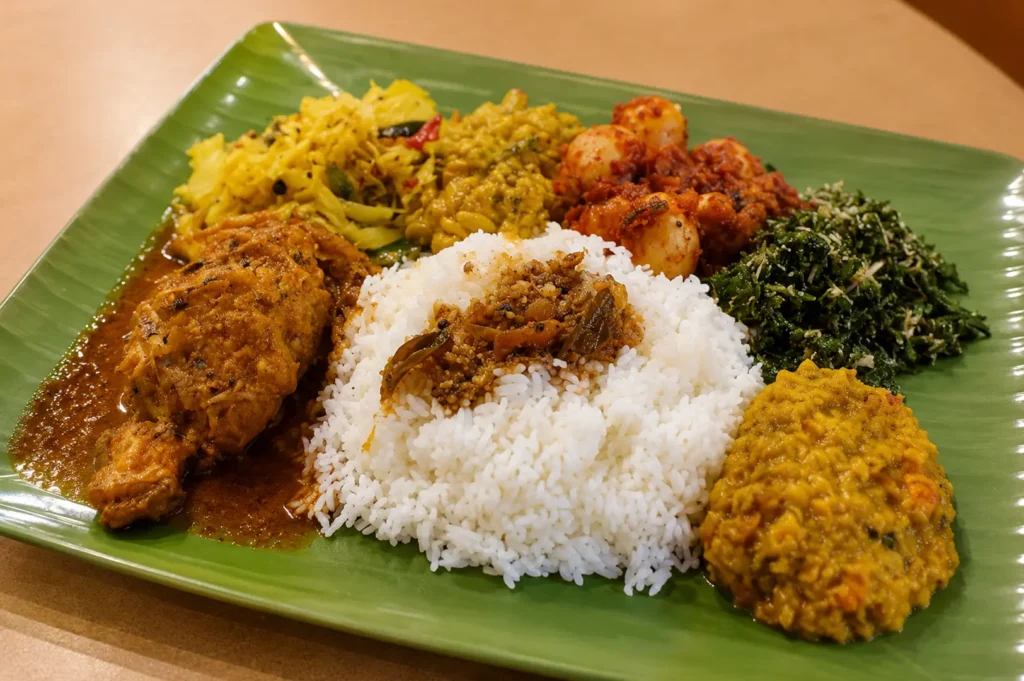
Yet hawker culture has never been completely static.
The dishes we now consider traditional were themselves shaped by generations of migration, adaptation, and cultural exchange. Hawker centres have evolved alongside Singapore for decades. New stalls, modern concepts, and younger owners are already contributing their own chapters to the story.
Perhaps that is why the discussion should not focus solely on preserving hawker culture exactly as it was.
What matters is preserving the values behind it.
Affordability. Community. Accessibility. The idea that good food should bring people together regardless of background.
These are the qualities that make hawker culture unique. They are also the qualities many Singaporeans worry about losing as the country becomes more modern and more expensive.
The fear surrounding hawker culture is not really about nostalgia alone. It reflects a deeper concern about identity, belonging, and the traditions that help a society stay connected. Hawker centres remind us that despite our differences, we still share common spaces and common experiences.
That is why protecting hawker culture matters. It is not just about saving recipes; it is about preserving a part of what makes Singapore feel like Singapore.
For more thoughtful perspectives on Singapore’s food culture, heritage, and dining scene, visit SG Dining Guide by clicking here.