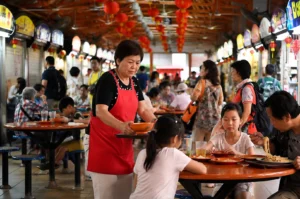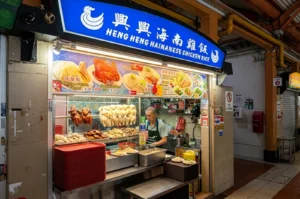
I have found that picking a place for food is rarely just about satisfying physical hunger. We eat to connect, to celebrate, to impress, and sometimes, just to escape our cramped apartments for a couple of hours. The food on the plate—whether it’s fragrant rice cooked with pureed ginger in a signature dish like hainanese chicken rice or a plate of char kway teow stir fried with dark soy sauce and egg noodles—is only one piece of a much larger puzzle. The communal dining experience at hawker centres highlights their cultural significance, as people from different backgrounds come together to enjoy meals and share in Singapore’s rich food culture.
In this guide, I want to walk you through exactly why we choose the restaurants we do, and how you can make smarter dining decisions without the stress. Whether you are planning a nervous first date or a casual Wednesday lunch, here is my honest advice on finding where the perfect spot to eat in Singapore is. Food in Singapore is often seen as a reflection of the country’s history and multicultural heritage, with each dish telling a story of its origins.
The Real Reasons We Choose Hawker Centres for Food
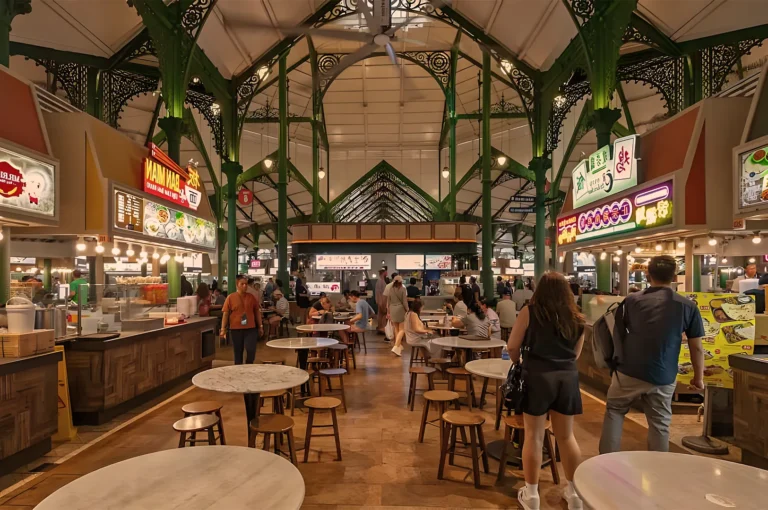
If dining were only about calories, we would all just drink meal-replacement shakes and go about our day. But in a food-obsessed city like Singapore, eating is our national sport. When we choose a venue, we are actually weighing several invisible factors.
The Social Occasion
The people you are eating with dictate the venue more than anything else. A business lunch requires well-spaced tables and acoustic control so you can actually hear your client. A birthday dinner requires a sense of theater. I think we often forget to ask ourselves, “What is the actual goal of this meal?” before we open our restaurant apps.
The Psychological Comfort
Sometimes, I don’t want to be challenged by a 14-course molecular gastronomy tasting menu. I just want the psychological safety of a warm bowl of bak kut teh, a famous dish with Chinese origins that is traditionally eaten for comfort. We frequently choose familiar restaurants or hawker stalls because they offer emotional comfort, not just physical sustenance. Most Singaporeans eat at hawker centres, which are open-air food courts beloved by locals and visitors alike for their variety and affordability.
The Aesthetic and Vibe
Let’s be completely honest: aesthetics matter. We eat with our eyes first. A venue with beautiful lighting, stylish furniture, and an incredible view of the Marina Bay skyline makes us feel successful and relaxed. We are paying for the atmosphere just as much as we are paying for the garlic butter prawns or chili crab with its thick sauce.
Step-by-Step: How to Choose the Right Place to Eat in Singapore Without the Stress
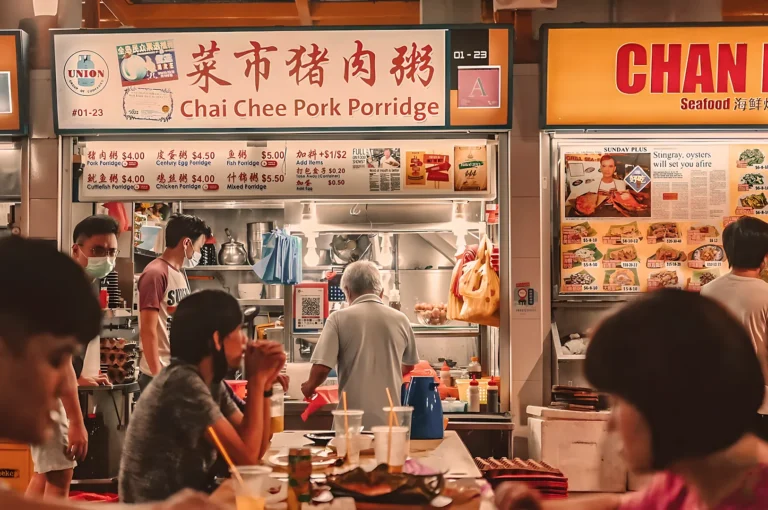
Decision fatigue is incredibly real, especially when you have thousands of options ranging from $5 chicken rice at hawker centres to $300 omakase menus at the best Singapore restaurants. Here is the exact system I use to narrow down my choices.
Step 1: Define the “Vibe” and Occasion
Before looking at any menus, define what you need from the space. Do you need intimacy? Do you need energy? Are you trying to impress someone, or are you just trying to feed yourself quickly between meetings? Nailing the occasion instantly eliminates 80% of the wrong choices.
Step 2: Be Realistic About the Budget
Money is the fastest filter. Determine what you and your dining companions are comfortable spending.
Casual eats: Expect to spend $5 to $15 at places like Maxwell Food Centre or a local hawker centre, where you can find incredibly tasty street food such as nasi lemak with coconut rice, roti prata served alongside spicy sauce, or fried chicken with chili sauce.
Mid-range cafes and bistros: Expect to spend $25 to $50 per person.
Upscale dining: Expect to spend $100 to $250+ per person.
Insider knowledge: Always factor in the hidden costs. A $30 pasta dish at a nice restaurant will actually cost you around $36 after Singapore's 10% service charge and 9% GST are added to the bill.
Step 3: Check the Logistics
I once booked a fantastic, hidden restaurant in Dempsey Hill for a group dinner, completely forgetting that half my friends did not drive. Getting a taxi out of Dempsey on a rainy Friday night is a nightmare. Always check how close the venue is to an MRT station, or if there is accessible parking. If a restaurant is too difficult to get to, the frustration will ruin the meal before it even begins.
Step 4: Read the Reviews (But Read Them Smartly)
Don’t just look at the star rating; read the actual text. If a restaurant has 4.5 stars but all the recent reviews complain about terrible service, take note. I prefer sorting Google Reviews by “Newest” rather than “Most Relevant” to see how the restaurant is performing this exact week, not three years ago.
Exploring Neighborhoods: How Location Shapes the Experience
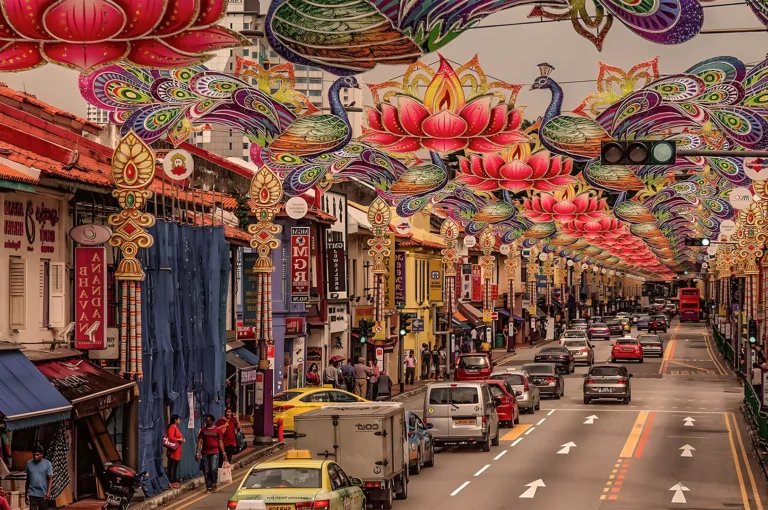
In Singapore, dining location greatly affects meal choices and access to regional specialties. Each district serves as a unique food hub, showcasing distinct cuisines and dining styles reflective of the city’s diversity. Chinatown centers around Maxwell Food Centre, famous for Hainanese chicken rice, fried chicken, oyster omelettes, and char kway teow. Little India offers Indian and South Asian dishes like biryani, dosai, and curries, often paired with spiced rice and fried fish or minced pork. Kampong Glam features Malay and Arab influences, with nasi lemak and modern Malay-inspired cafes. Katong is known for Peranakan foods, especially laksa with coconut milk and glutinous rice cakes, served in heritage shophouses. Choosing a district shapes both the cuisine available and the dining atmosphere, from hawker stalls to heritage restaurants, enhancing the Singaporean food experience.
Real Scenarios: Matching the Vibe to the Moment at Maxwell Food Centre
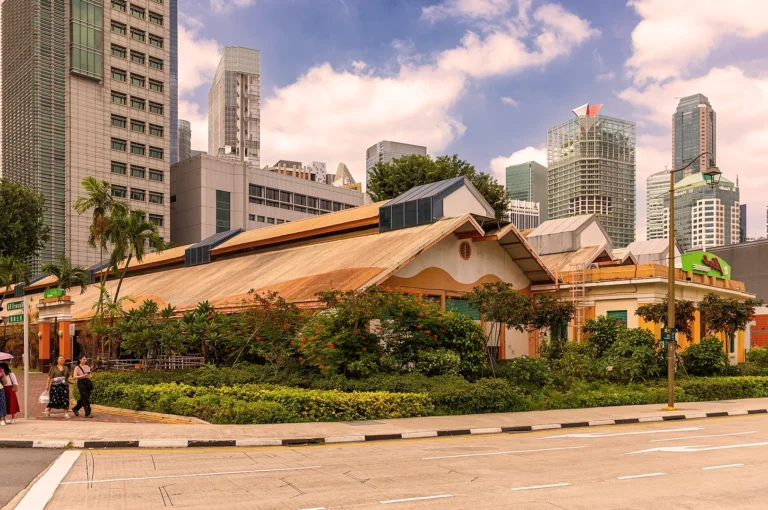
To make this actionable, let’s look at three real-world dining scenarios and how to navigate them in Singapore.

Scenario 1: The Nervous First Date
You want to impress, but you don’t want to look like you are trying too hard. You need a place with good lighting, a bit of background noise to fill any awkward silences, and food that isn’t messy to eat.
My suggestion: Spago Bar & Lounge at Marina Bay Sands.
The reality: It feels incredibly glamorous because it sits on the rooftop, but the bar area is actually quite relaxed. You can share some high-end bar bites and a couple of cocktails.
What to expect: This takes about 2 hours. Expect to spend $60 to $100 per person. If the date goes poorly, you haven’t committed to a three-hour tasting menu.
Scenario 2: The Casual Weekend Catch-Up
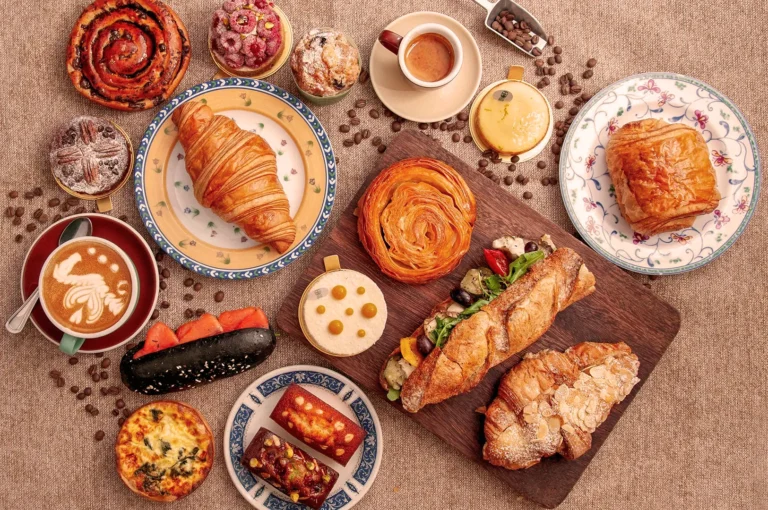
You are meeting a friend you haven’t seen in months. You need a place where they won’t rush you out the door the second you finish your coffee.
My suggestion: Tiong Bahru Bakery (the flagship outlet in Tiong Bahru).
The reality: It has a bustling, energetic neighborhood vibe. The kaya toast, slathered with coconut milk and served with soft boiled eggs sprinkled with soy sauce and white pepper, is a classic—much like the iconic Ya Kun Kaya Toast, a popular, traditional Singaporean breakfast dish. Coffee shops across Singapore are authentic places for food where locals gather to enjoy breakfast items like kaya toast and kopi, often sweetened with condensed milk for that rich, authentic flavor. While it gets crowded, the atmosphere is incredibly welcoming.
What to expect: Expect to spend $15 to $25 per person. Go before 10:00 AM on a Sunday to secure a good table, and be prepared to wait in line for about 15 minutes.
Scenario 3: The Milestone Celebration with Hainanese Chicken Rice
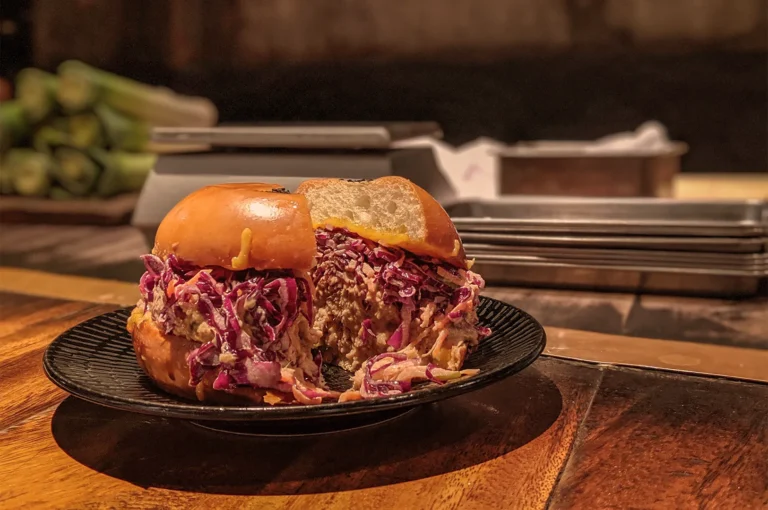
It is a major anniversary or a big birthday. You want an experience that feels deeply special, where the service is flawless and the food is memorable.
My suggestion: Burnt Ends in Keong Saik.
The reality: It holds a MICHELIN star, but it is not stuffy. You sit at a counter watching chefs cook over open wood fires. It is loud, theatrical, and incredibly fun.
What to expect: Booking is notoriously difficult; you need to reserve your seats a month in advance. Expect to spend $150 to $250 per person, and plan for the meal to take about 2.5 hours.
Affordable Dining: Enjoying Singapore’s Best Hawker Centres That You Should Try
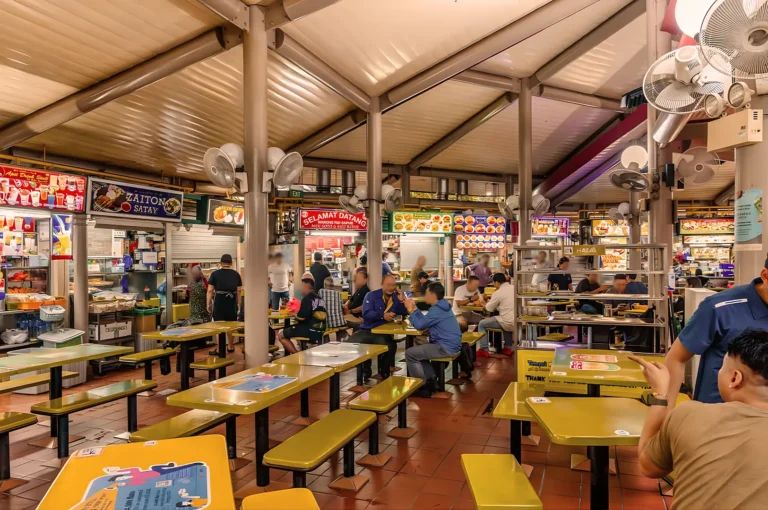
One of the most beloved places for food in Singapore is the hawker centre—a vibrant open-air food court where you can indulge in a variety of delicious food without breaking the bank. These centres are the heart of everyday dining for most Singaporeans, offering flavorful rice dishes, noodle dishes, and local specialties at unbeatable prices, often between $3 and $6 per dish. At hawker centres like Maxwell Food Centre, you can find iconic meals such as Hainanese chicken rice with tender slices of chicken and fragrant basmati rice, curry laksa rich with coconut milk and rice noodles, and char kway teow stir-fried with pork lard and bean sprouts.
Many stalls at these centres have even earned Michelin stars, proving that affordable dining doesn’t mean compromising on quality. Don’t miss the chance to try famous local delights like black pepper crabs and chilli crab, typically served with a side of cold beer to complement the spicy, tangy flavors. For those craving Peranakan food, dishes like beef rendang and ayam buah keluak are readily available at great restaurants and hawker stalls alike.
Whether you’re grabbing a quick bite or sitting down for a casual meal, hawker centres offer a uniquely