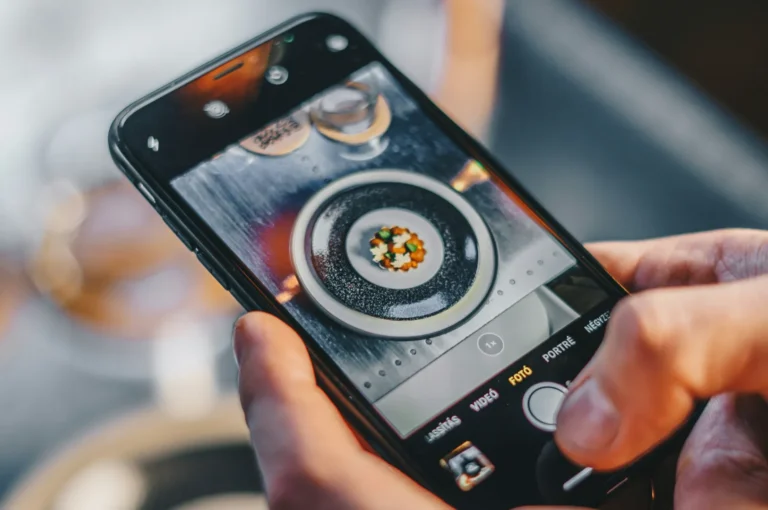
We recently found ourselves staring at a dessert that looked more like a modern art sculpture than something edible. It was visually striking, structurally complex, and perfectly lit for a photograph. Yet, after taking the requisite photos, the first bite was overwhelmingly sweet and texturally dry. This experience highlights a growing tension in our local dining culture. We are witnessing the rise of “Instagrammable” food, a trend that frequently puts visual appeal at odds with genuinely good food.
The Visual Economy of Dining
Over the past decade, social media has fundamentally changed how many restaurants operate. A visually striking dish can act as free marketing, drawing long queues of diners eager to capture the perfect shot. Chefs are increasingly pressured to design plates with the camera in mind. We see an influx of vibrant food dyes, theatrical dry ice, and precarious towers of ingredients.
While this visual economy drives foot traffic, it often forces a culinary compromise. When a kitchen prioritizes how a dish looks on a screen, the fundamental elements of temperature, texture, and taste can easily become secondary concerns. For instance, a towering burger might look impressive online, but it becomes a structural nightmare to actually eat. By the time the photos are taken, the hot components have often cooled, and the delicate textures have turned soggy.
The Reality of Truly Good Food
In contrast, some of the most satisfying meals in Singapore are notoriously difficult to photograph. A rich bowl of lor mee or a slow-braised beef rendang rarely looks elegant on a plate. They are predominantly brown, frequently messy, and visually unassuming. However, these dishes represent the absolute essence of truly good food.
Their value lies in hours of simmering, generational recipes, and precise culinary technique. We find that the food that sustains us, the meals we return to week after week, rely on depth of flavor rather than a fleeting aesthetic impact.
This is the food that anchors our dining culture. It is prepared efficiently, served hot, and consumed with genuine focus.
Be sure to check out SG Dining Guide to read more articles like this!